

It’s Not Just A Story…
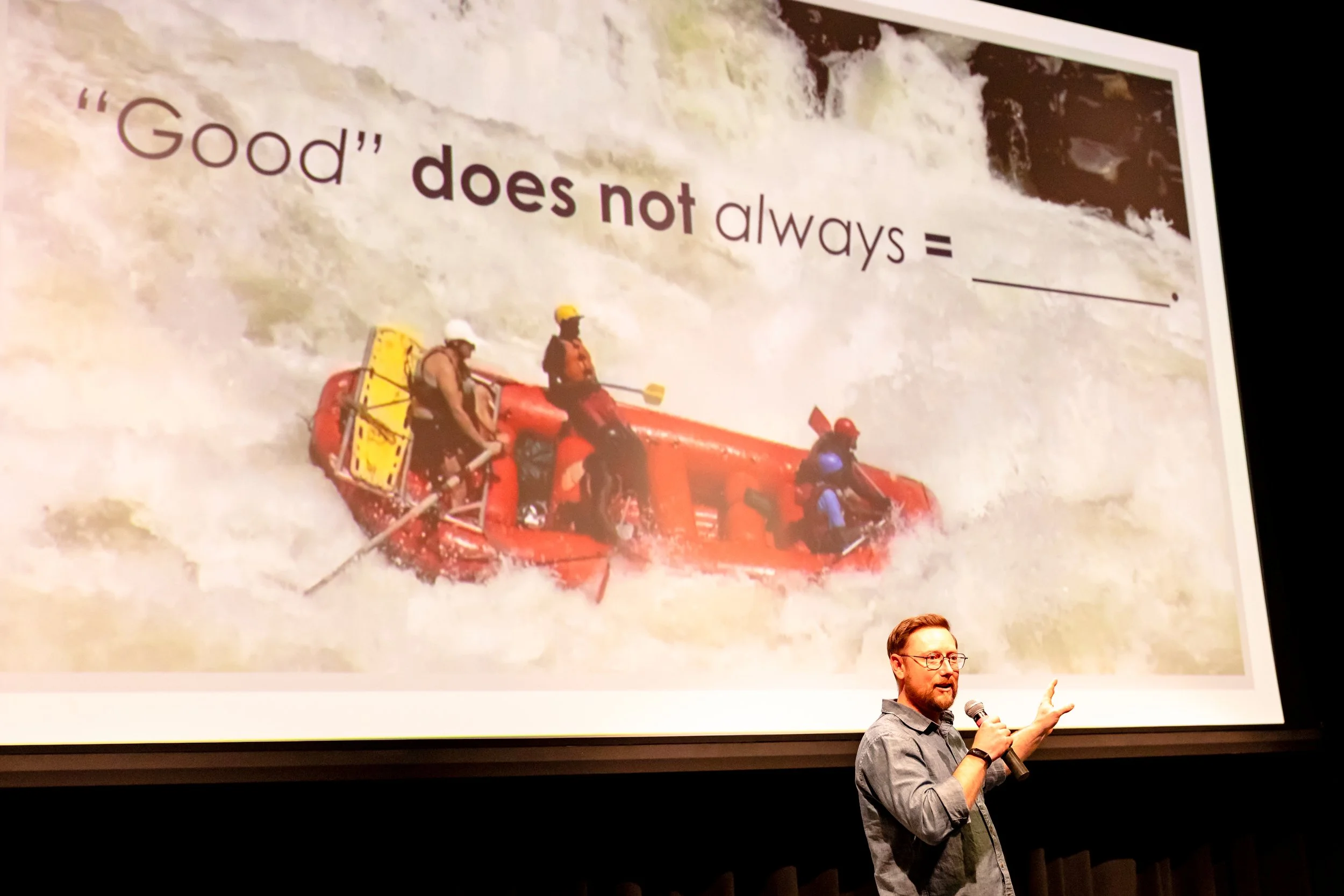
Digital storytelling can be difficult to describe to someone who has never experienced it before. It’s not an audiobook. It’s not a commercial. It’s not a feature-length film. Digital storytelling is the process of creating a short 2–4 minute digital story using images, video, voiceover, music, and editing techniques to share an important story from a participant’s lived experience.
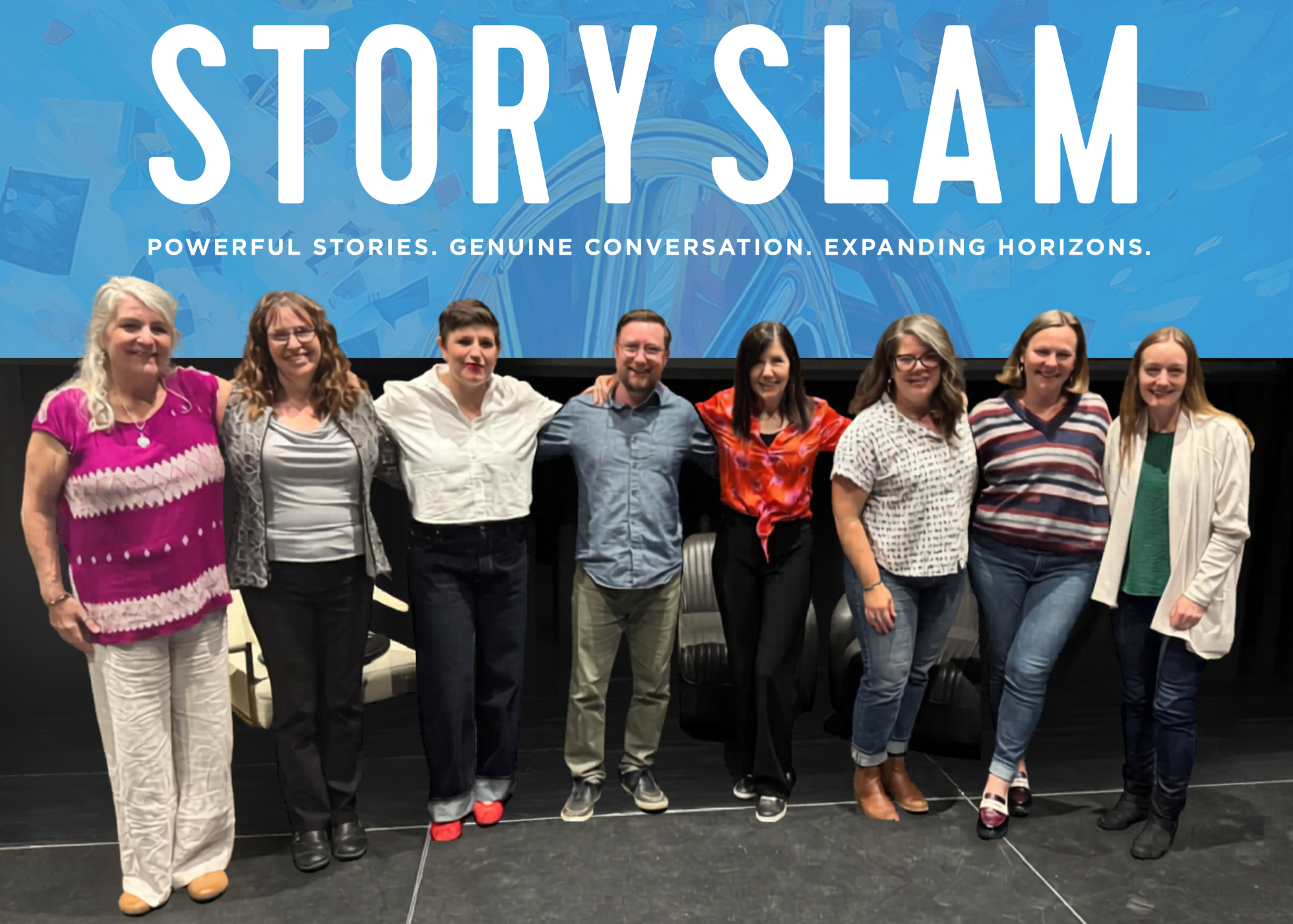
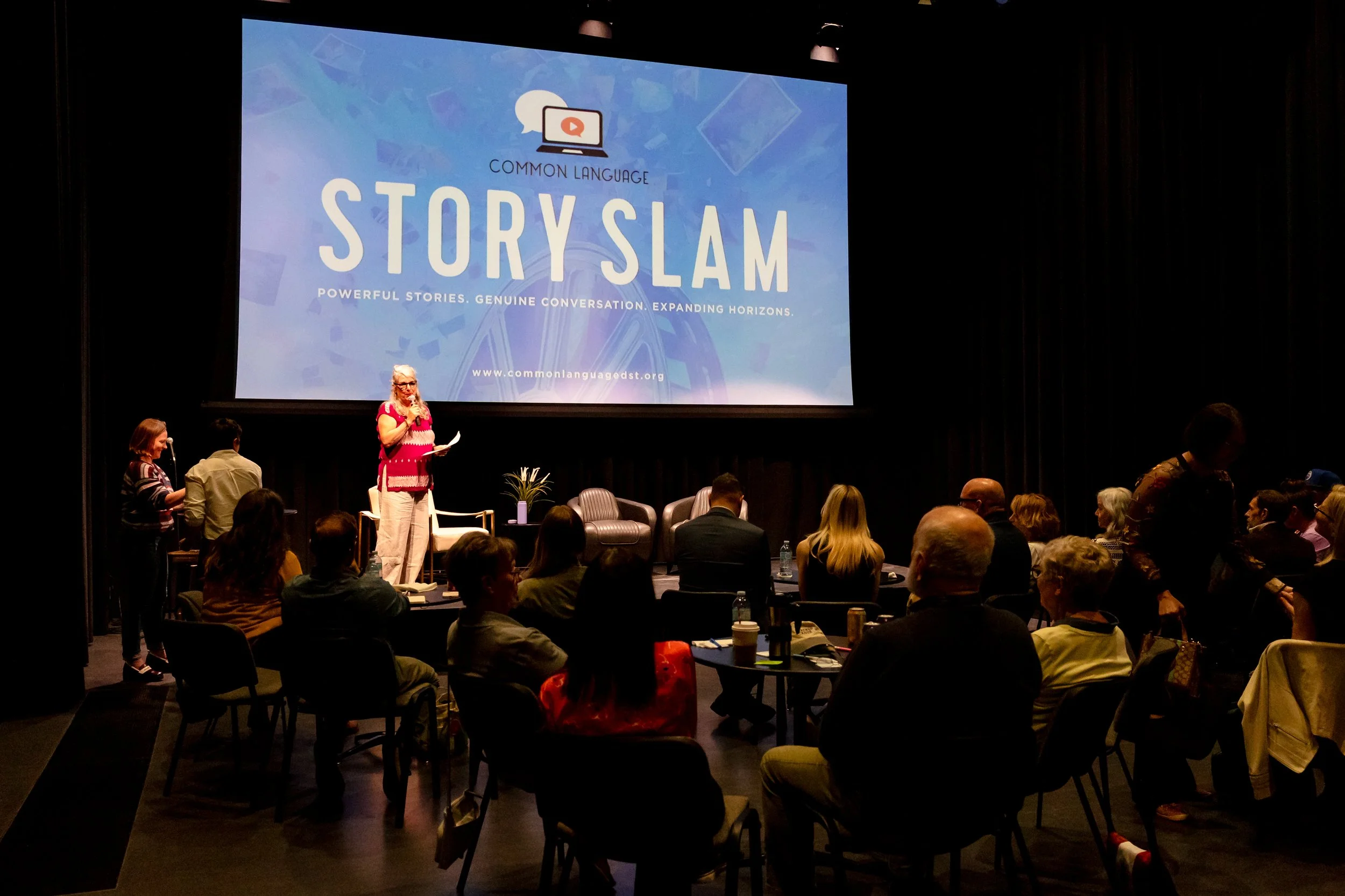
On April 30, twelve digital stories were shared at Common Language’s annual event, Story Slam 2026. The storytellers were everyday people — just friends, family members, and new connections waiting to happen. There were no awards or prizes to be won, only a genuine effort to be present with one another as we listened to stories from people’s lives — moments that shaped them.
But we didn’t just listen.
We reflected.
A core practice of the Common Language collective is creating spaces not only to discover and develop stories, but also to share them. Every stage of the digital storytelling process carries its own kind of magic, but one of the most powerful moments happens when a story is screened live.
Together, we watched. Then we reflected on what resonated with us — perhaps an image, a phrase, a memory, or a feeling. In that moment, the story stretched beyond the storyteller and became something shared, something beautifully expanded through collective witnessing.
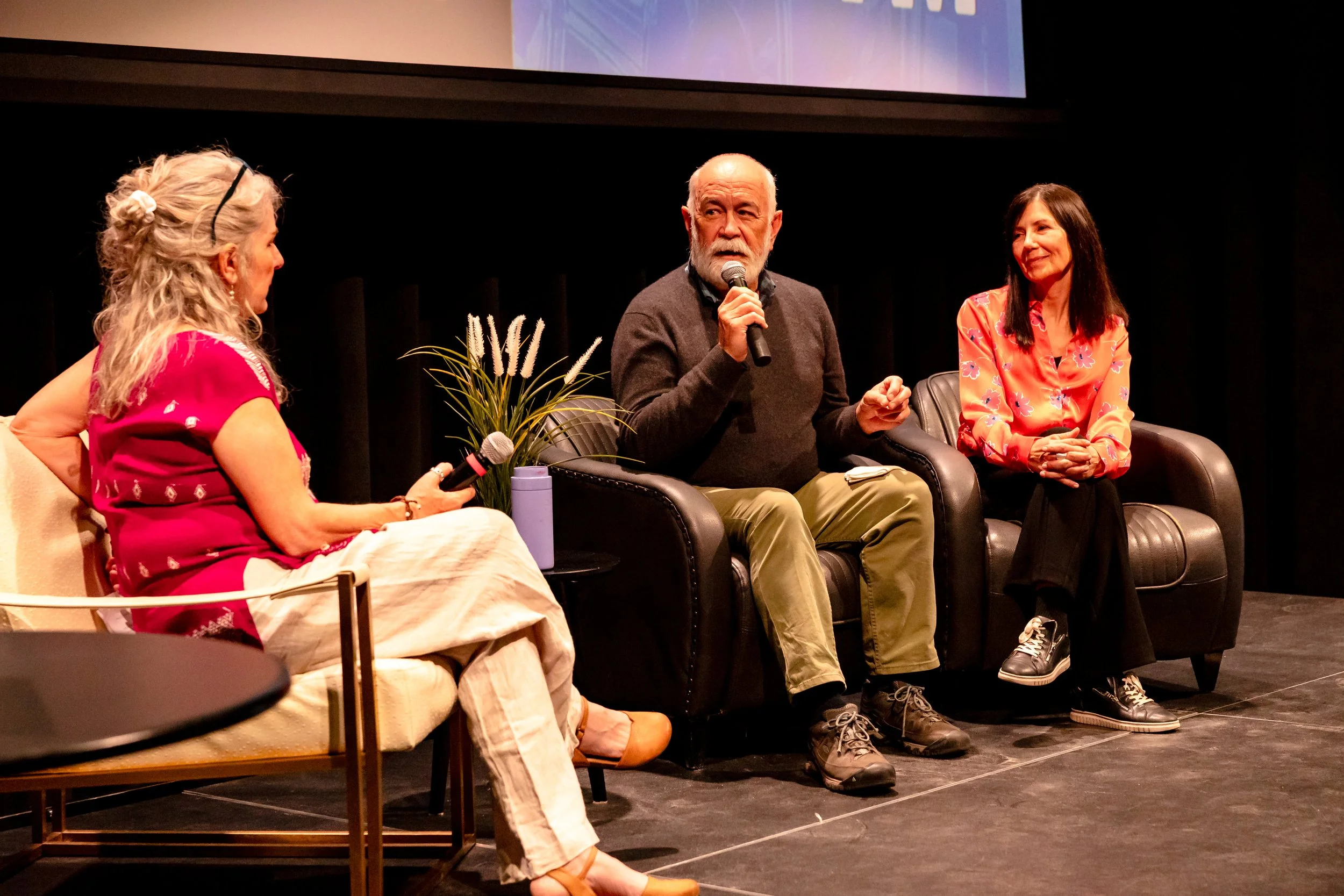
After the screening, the storyteller and facilitator joined the host on stage to share “the story behind the story,” inviting us even deeper into the experience.
Story Slam Gallery
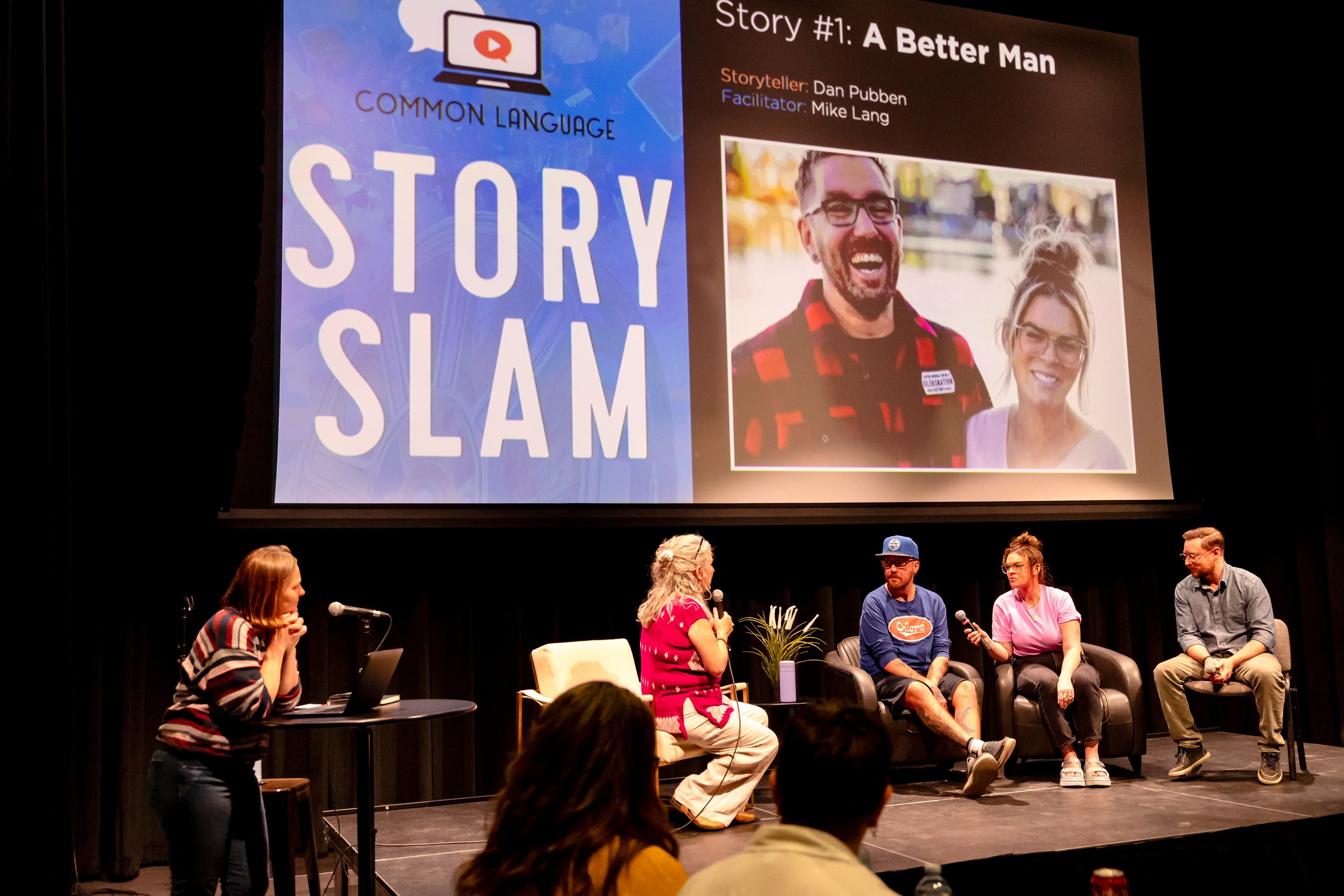
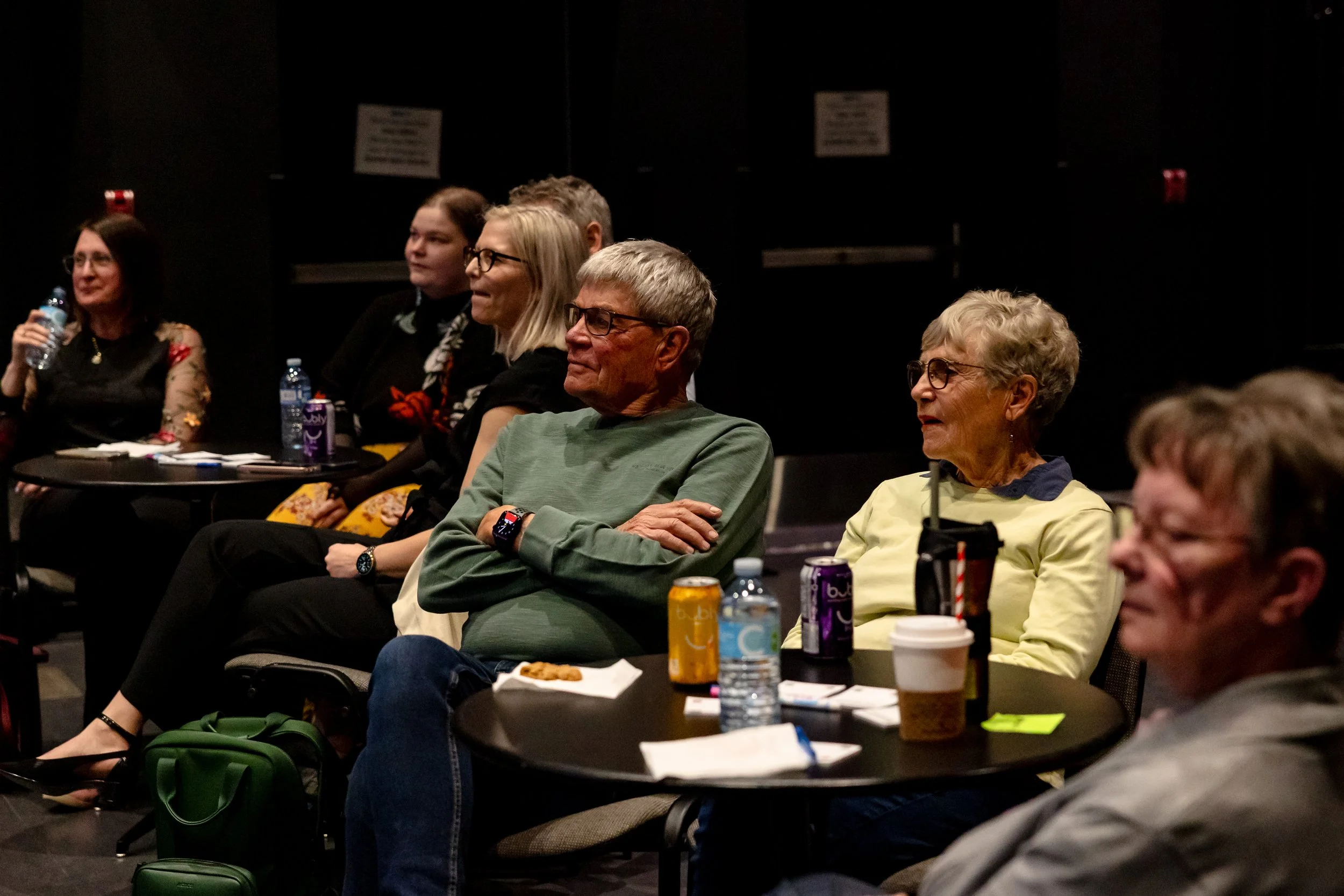
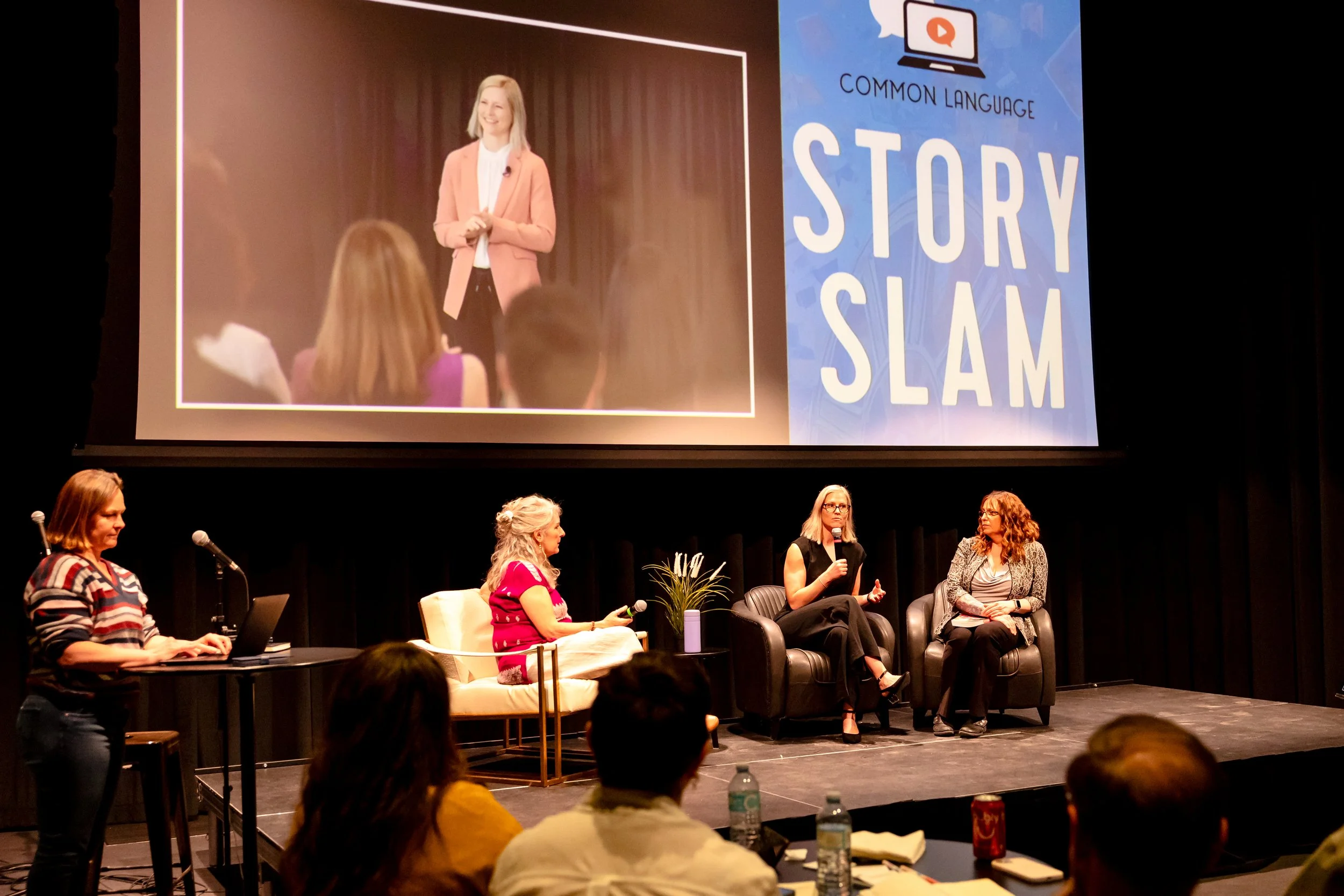
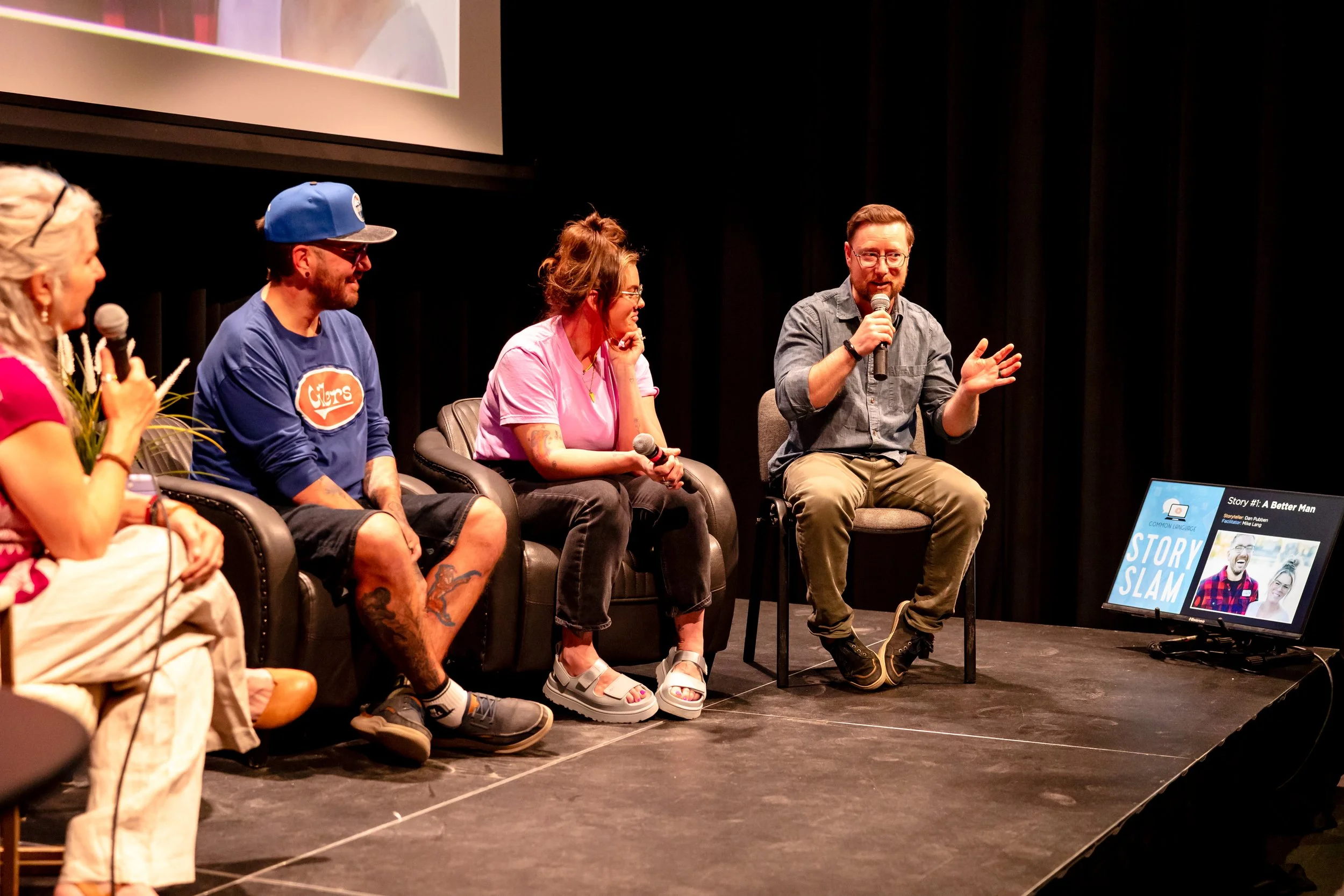
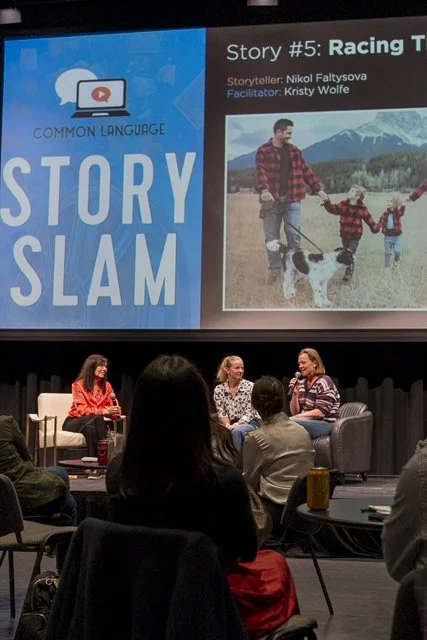
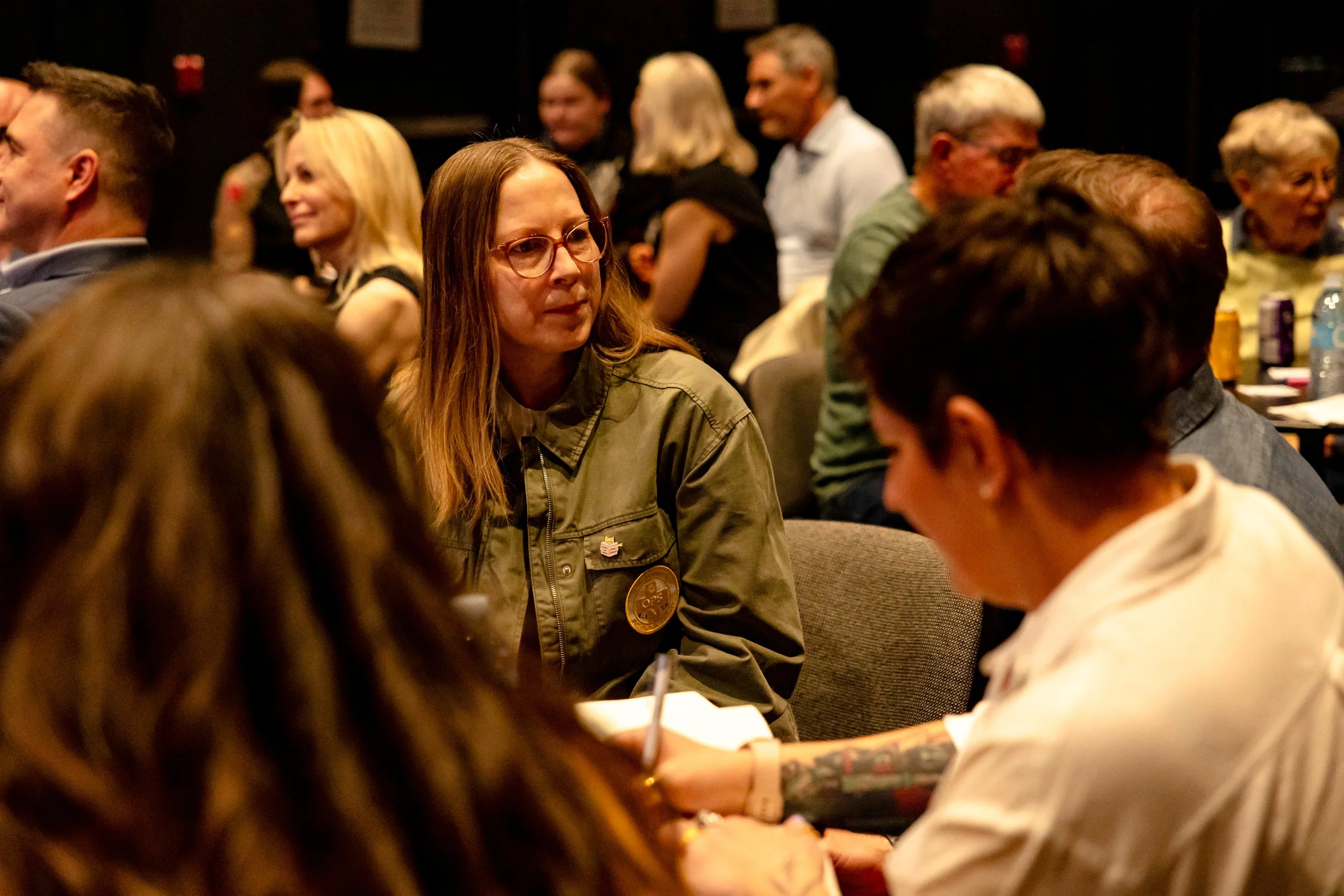
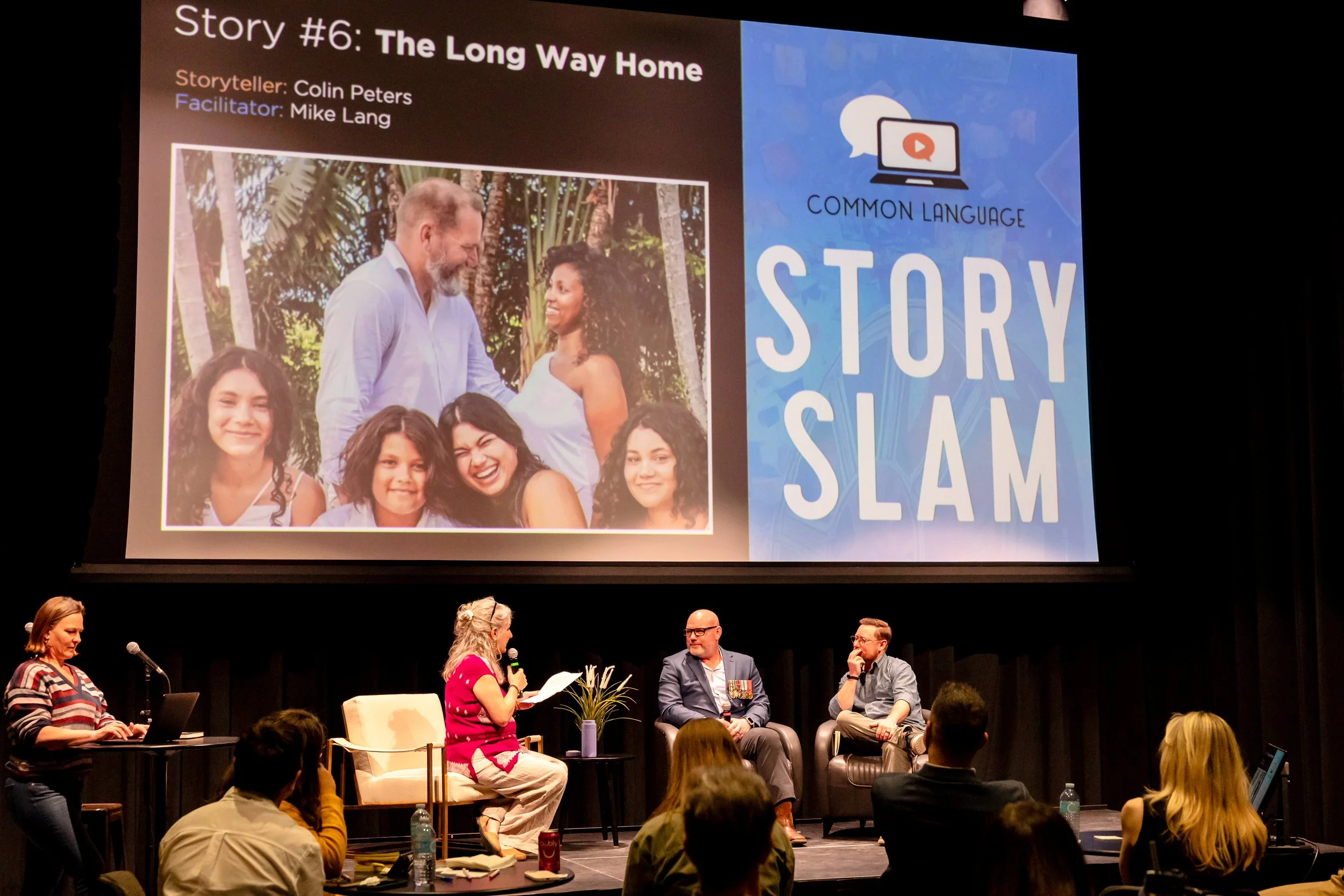
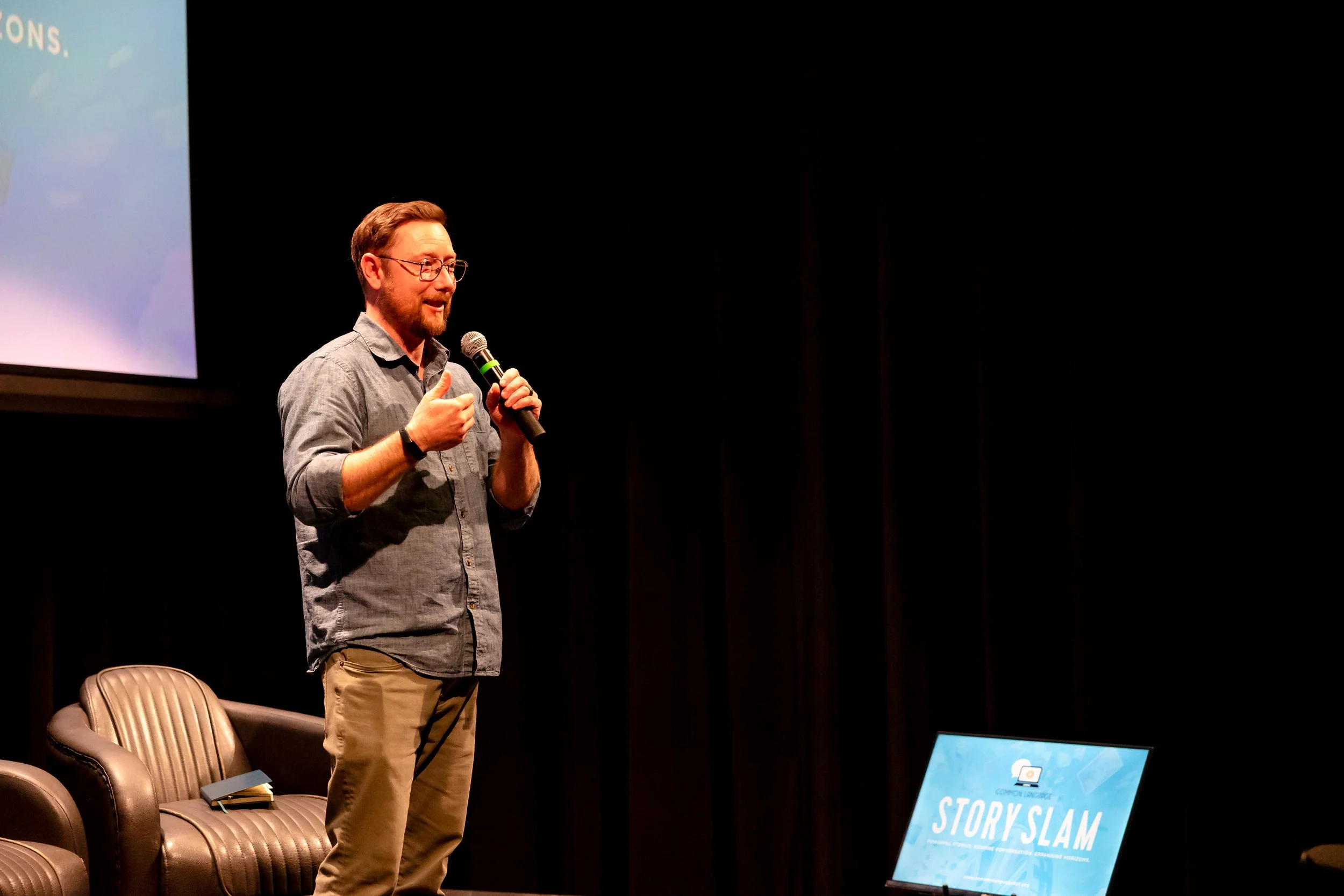
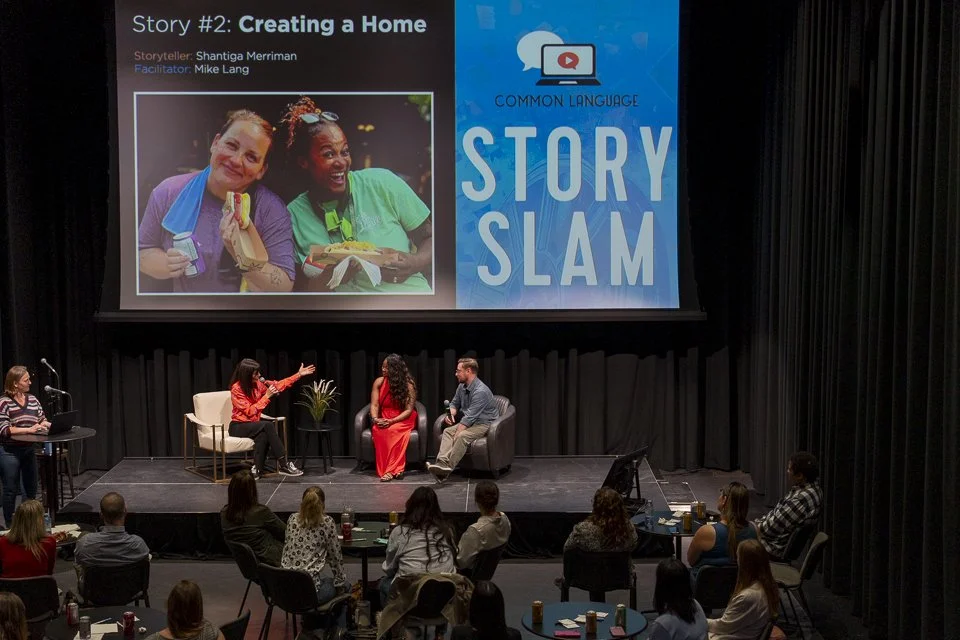
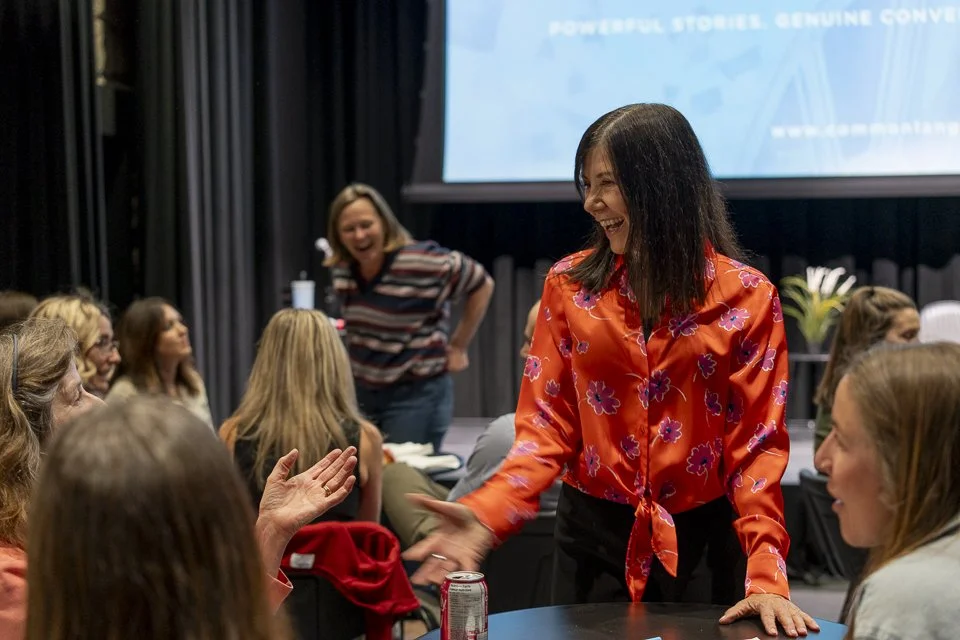
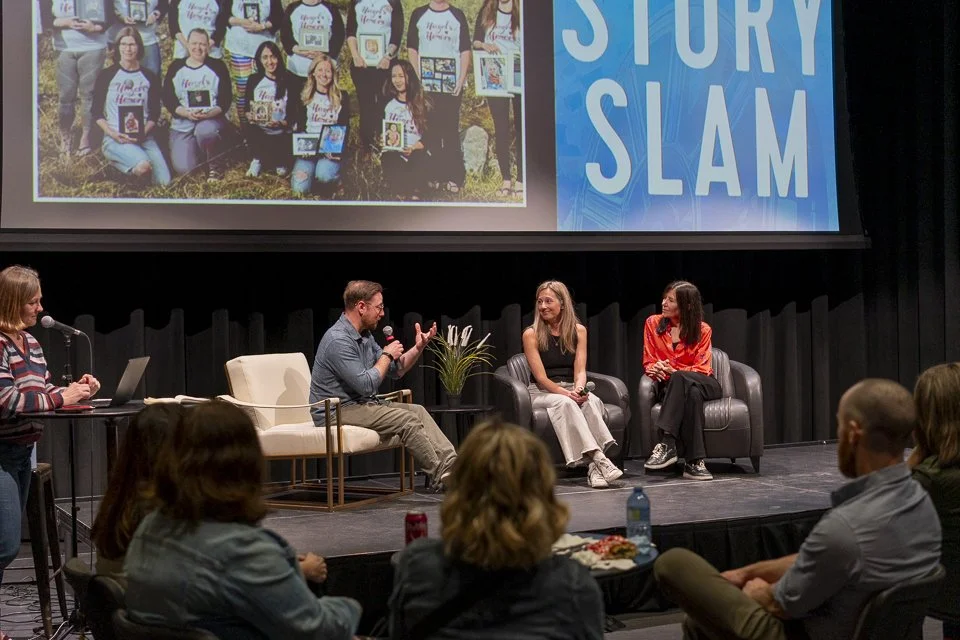
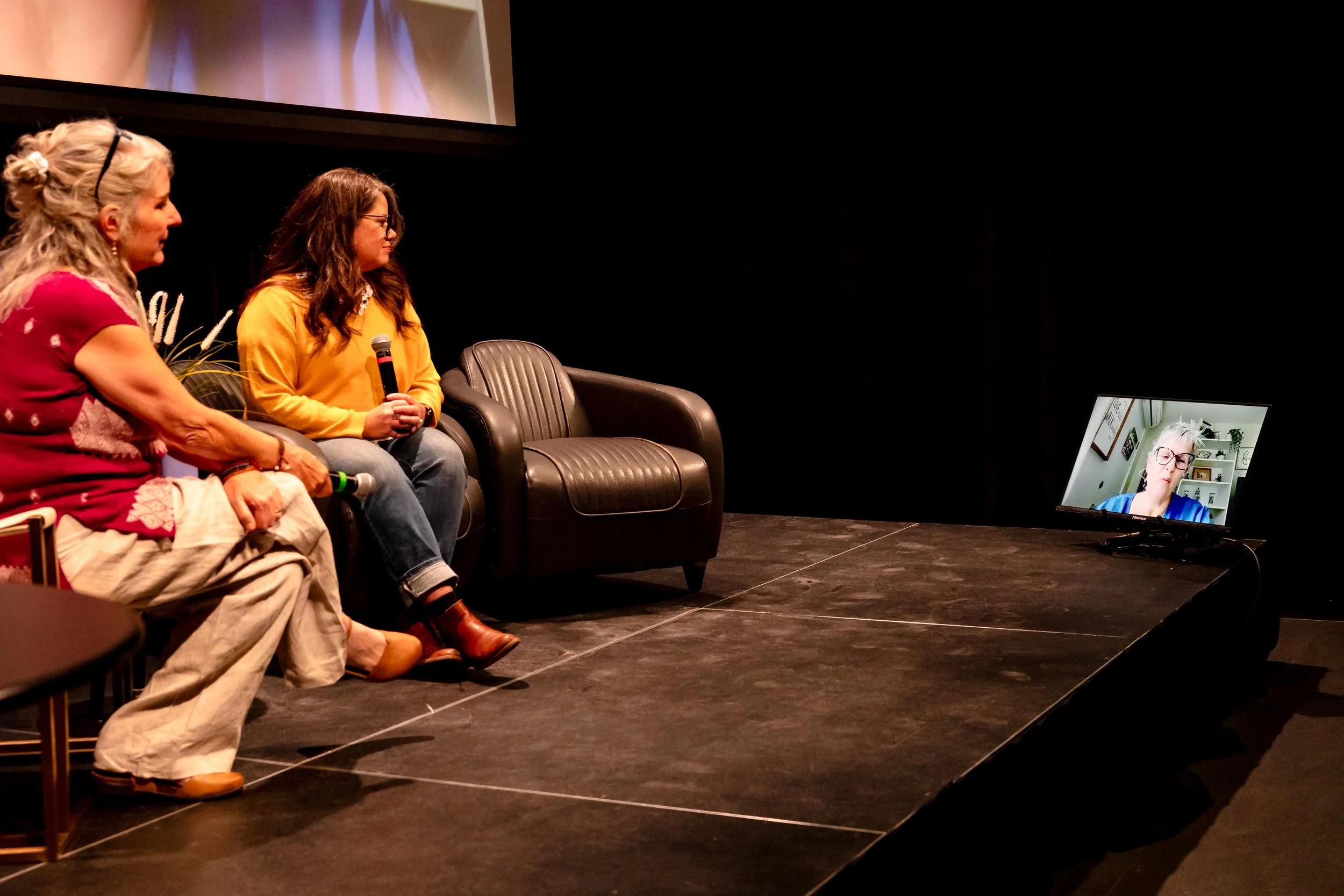
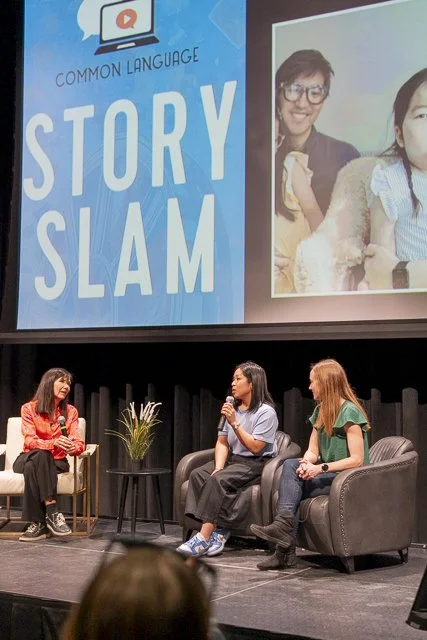
Here are a few reflections shared by storytellers and participants following Story Slam 2026:
“What an incredibly moving event. These digital stories spoke of grief, loss, courage, hope, sorrow, and making the most of our time here. Thank you to these incredibly brave storytellers for sharing their stories and hearts with us today. I definitely shed my share of tears.”
“My hope is that my story helps normalize something so important in veterinary medicine: we are all human. We will all make mistakes. And while those moments can stay with us, they can also become part of how we learn, grow, and support each other more compassionately.
When stories are shared, people discover they are not alone. Connection begins to replace isolation, and communities become places where healing, compassion, and belonging can grow.
It’s Not Just A Story - It’s Connection
In a world with endless ways to access information, entertainment, and communication, loneliness continues to grow. A quick internet search reveals article after article exploring what many now call a loneliness epidemic. At first glance, it seems strange that in a world filled with tools designed to connect us, many people feel more isolated than ever.
So what bridges the gap between information and belonging?
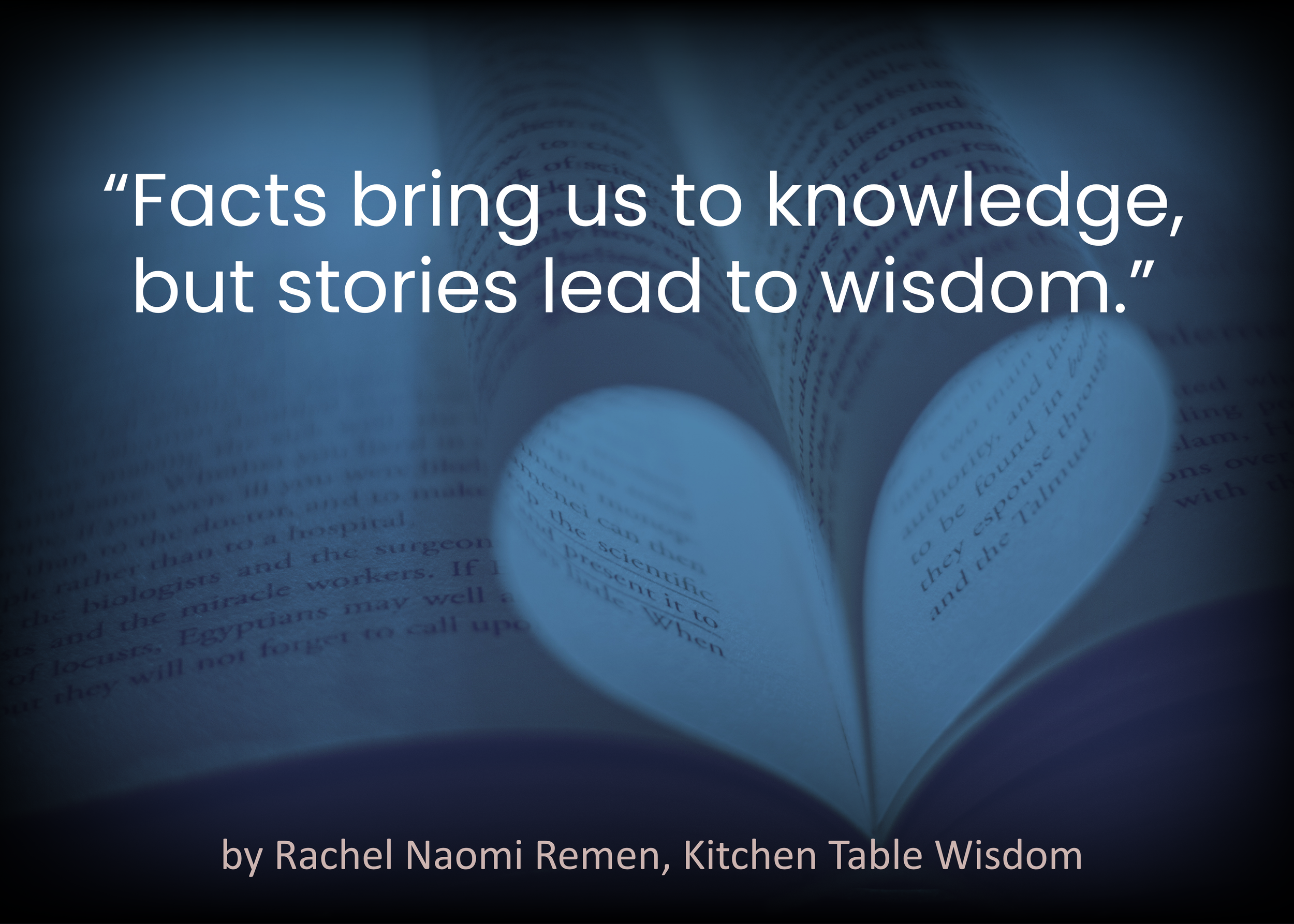
We need more than facts. Stories help us see one another more clearly. Through storytelling, connection is built, understanding deepens, and wisdom is shared.
One of the stories screened at Story Slam 2026 was The Invisible Child by Greg Kemp, a reflection on his experience growing up as the youngest child in his family. During the evening screening, two young people attended after discovering the event online through Eventbrite. They weren’t entirely sure what to expect, but Greg’s story of childhood, healing, and perspective resonated with them. After the screening, one attendee approached Greg to continue the conversation sparked by his story.
Because stories do more than share information.
They create understanding.
They build compassion.
They remind us we are not alone.
It’s Connection Made Visible
Another storyteller, Amina, shared her own digital story this past year. Initially, she had hesitated to create a digital story at all. As someone already used to sharing her story publicly, she wondered whether anyone really needed to hear it again. But after pairing her narration with images from her journey to Uganda and her experience as a refugee to Canada, something shifted.
“It became more real,” she reflected afterward.
When she showed the completed story to her daughter and saw her emotional response, she realized this version of her story carried a different kind of impact — one rooted not only in information, but in human connection.
If you want to experience more stories, join us for our “Kitchen Table Nights” where we screen stories together on Zoom, and take time to reflect together after each one.
Next online screening:
Monday, May 25, 2026, 6 PM (MDT).
