


More Than A Story: Creating New Channels For Research
Research is often measured in data, charts, and findings. But what happens when lived experience becomes part of the question?
Can a Story Change Veterinary Medicine?
Digital storytelling can do something ordinary conversation often cannot: it slows us down long enough to feel what a story is really saying. On Co-Created, host Kristy Wolfe talks with Dr. Marie Holowaychuk, a veterinarian and mental health advocate, about why a digital story hits differently than a speech, a post, or a chapter in a book. With voiceover narration, carefully chosen images, music, and pacing, a short film invites reflection instead of passive consumption. That shift matters in health and caregiving fields, where people carry intense responsibility, compassion fatigue, and the quiet pressure to look fine while they are burning out.

More Than A Story: It’s A Catalyst For Change
What happens when a story becomes more than a story? Explore how lived experience can spark conversations, influence systems, and create meaningful change. This month, we look at the ripple effect of one powerful digital story and the ways storytelling can become a catalyst for change.

More Than A Story: How Digital Stories Shape Systems
Like water slowly reshaping a riverbank, systems rarely change all at once. They change through countless moments of listening, reflection, and connection. Every story shared with care has the potential to create one of those moments. And when enough stories begin to flow together, they don't just tell us where we've been—they help shape where we're going.
Digital Stories in Community-Based Research
Digital storytelling in healthcare is more than a creative exercise. When a person records their own voice, chooses personal images, and shapes a short film around a meaningful moment, the result can cut through stigma and abstraction in a way traditional research reports rarely do. In this conversation, we connect digital storytelling to quality improvement, long-term care, and systems change. The throughline is simple: stories are a lever. They help teams see patient experience, illuminate hidden barriers in services, and make space for harder topics like dementia, disability, and medical assistance in dying (MAID) without reducing people to diagnoses or categories.
Using Digital Stories in Clinician Training
Digital storytelling in healthcare is more than a creative add-on. It is a practical, evidence-informed way to bring patient and family voice into clinician education, medical conferences, and training programs. A digital story is a short film built with a trained facilitator, combining voiceover narration with personal photos and simple video editing to capture a meaningful moment. When you embed one strong story into a learning space, it can do what journal articles often cannot: create emotional clarity, deepen empathy, and prompt better questions. That protected pause for reflection helps clinicians notice their assumptions and enter future conversations with more humility and sensitivity, especially in pediatrics and complex care.
Digital Stories Belong in Curriculum & Communities
Digital storytelling is having a quiet breakthrough in health and wellness, and this conversation shows what it looks like when the work finally meets the moment. Dr. Mike Lang shares how he went from having to justify why stories matter in healthcare to embedding digital stories directly into a University of Calgary nursing curriculum. In nursing education, narrative learning is not fluff, it is clinical preparation. First-person storytelling helps students grasp identity, ethics, and the human stakes behind care decisions. When digital storytelling is treated as a core learning tool, it strengthens empathy, reflection, communication, and patient-centred practice in ways a lecture rarely can.
What Changes When We Treat Stories Like Data
Digital storytelling is a short, carefully made film that combines voiceover narration, personal images, and simple video editing to capture a meaningful moment in someone’s life. In healthcare communication, that format does something rare: it creates emotional clarity fast. A story that lasts only a few minutes can move a room from polite listening to honest conversation, because it lowers defenses and makes vulnerability feel possible. For clinicians, patients, and families, these short films can become a powerful tool for patient experience, physician wellness, and health education, especially when traditional presentations feel too abstract or too slow to reach what matters.
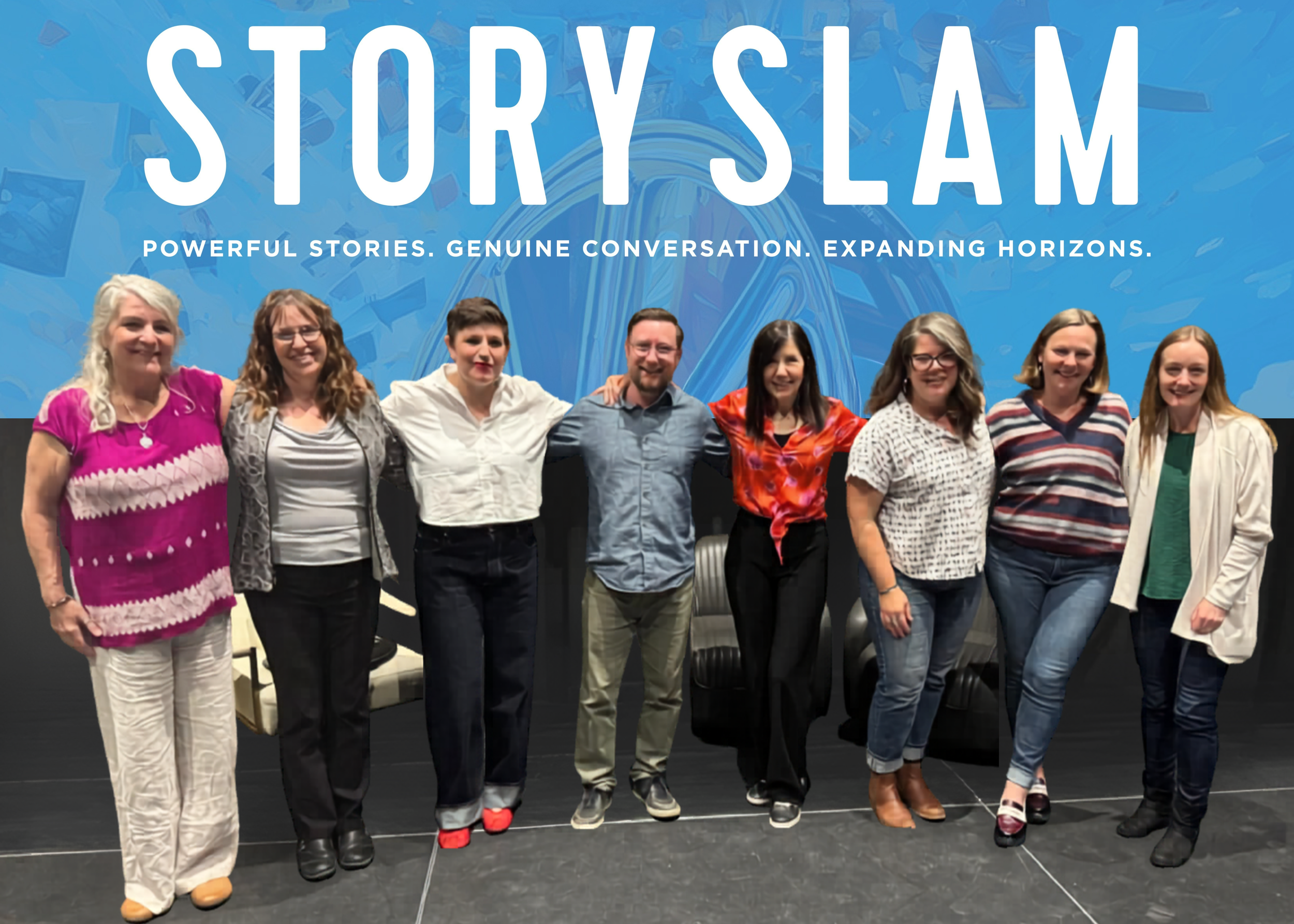
It’s Not Just A Story…
Digital storytelling is more than sharing information — it creates connection, reflection, and understanding. This month’s blog explores the impact of Story Slam 2026 and the powerful ways stories help people feel seen, heard, and less alone.
Through Her Lens: Cameras For Girls
Digital storytelling sounds simple until you try to compress a life into a few minutes. A digital story is a short film built with a trained facilitator using voiceover, personal images, and careful video editing, but the real work is deciding what matters most. In this conversation, founder Amina Mohamed and host Kristy Wolfe show how a tight format creates clarity, turning a long origin narrative into a piece that feels three-dimensional and emotionally true. For nonprofits, digital storytelling becomes a durable communication tool: it can live on a website, travel on social media, and anchor donor conversations without forcing the founder to repeat the same pitch forever.
Double the Magic: Storytelling for Healing and Impact
Digital storytelling is a simple idea with outsized impact: a short, crafted film built from a person’s voiceover, personal photos, and careful editing to capture a meaningful moment. In this conversation, we explore how that format creates emotional truth without needing spectacle, and why it works so well in health and wellness settings. As a digital storytelling facilitator, Melody Williamson describes how the process helps people feel seen and heard, especially when their experiences are usually private or overlooked.
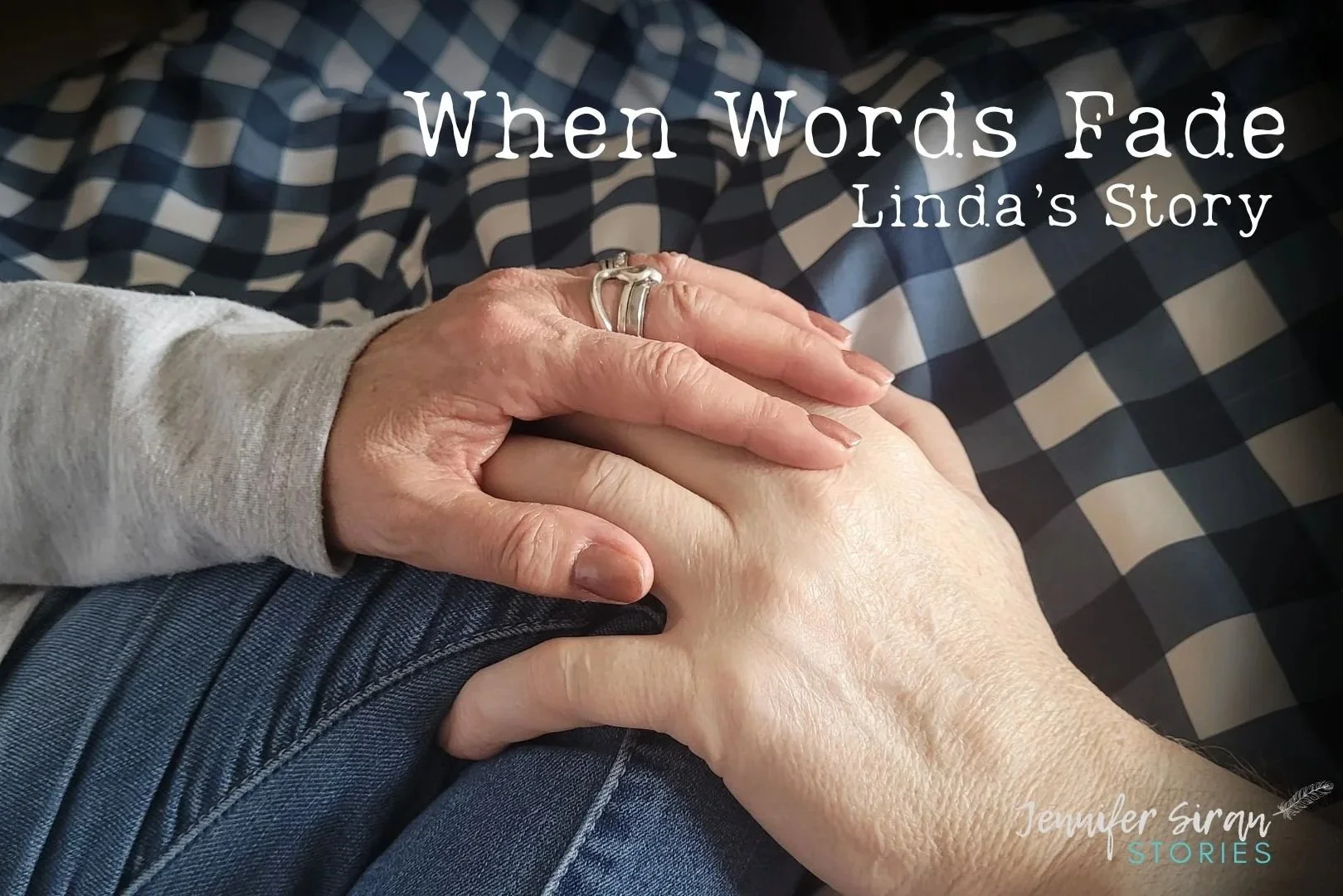
When Words Fade
Herb & Linda shared a relationship filled with deep conversations and laughter. Their life together was rich with adventure. As missionaries, they travelled the world with their sons, giving them a truly unique childhood - spending years in places like Colombia. In their 50’s, Herb & Linda had begun dreaming about retirement and all it might hold. But life had other plans.
As Herb approached 60, changes in his behavior began to emerge, and together they started searching for answers. Those answers did not come quickly. After nearly five years of testing, Herb was diagnosed with early onset Alzheimer’s and Lewy Body Dementia at just 63 years old.
When Science Meets Story: Lessons from a PhD Defense
Digital storytelling is often described as a short film with voiceover, personal images, and careful editing, but its real power is how it helps people make meaning. When the topic is antimicrobial resistance (AMR) or antibiotic resistance, meaning matters because the public rarely experiences “resistance” as a clear event. In this conversation, we explore how a PhD can sit at the intersection of arts-based methods and biomedical research, and why that hybrid creates both opportunity and friction. For health communication, patient stories can create empathy and memory, yet they still need structure, context, and timing to become true knowledge mobilization.
Health Promoting Experiences of Storytellers: A Meta-Synthesis of Qualitative Studies
Digital storytelling in healthcare is often described as a creative tool, but the deeper value is how it reshapes meaning. In this conversation, midwife and PhD candidate Jonathan Dominguez Hernandez explains why he turned to digital storytelling research to better understand fear of childbirth and other vulnerable health experiences. He traces his path from pediatric nursing in Spain to midwifery training in the UK, then into academia in Switzerland, where he observes how fear, stigma, and professional culture influence health.
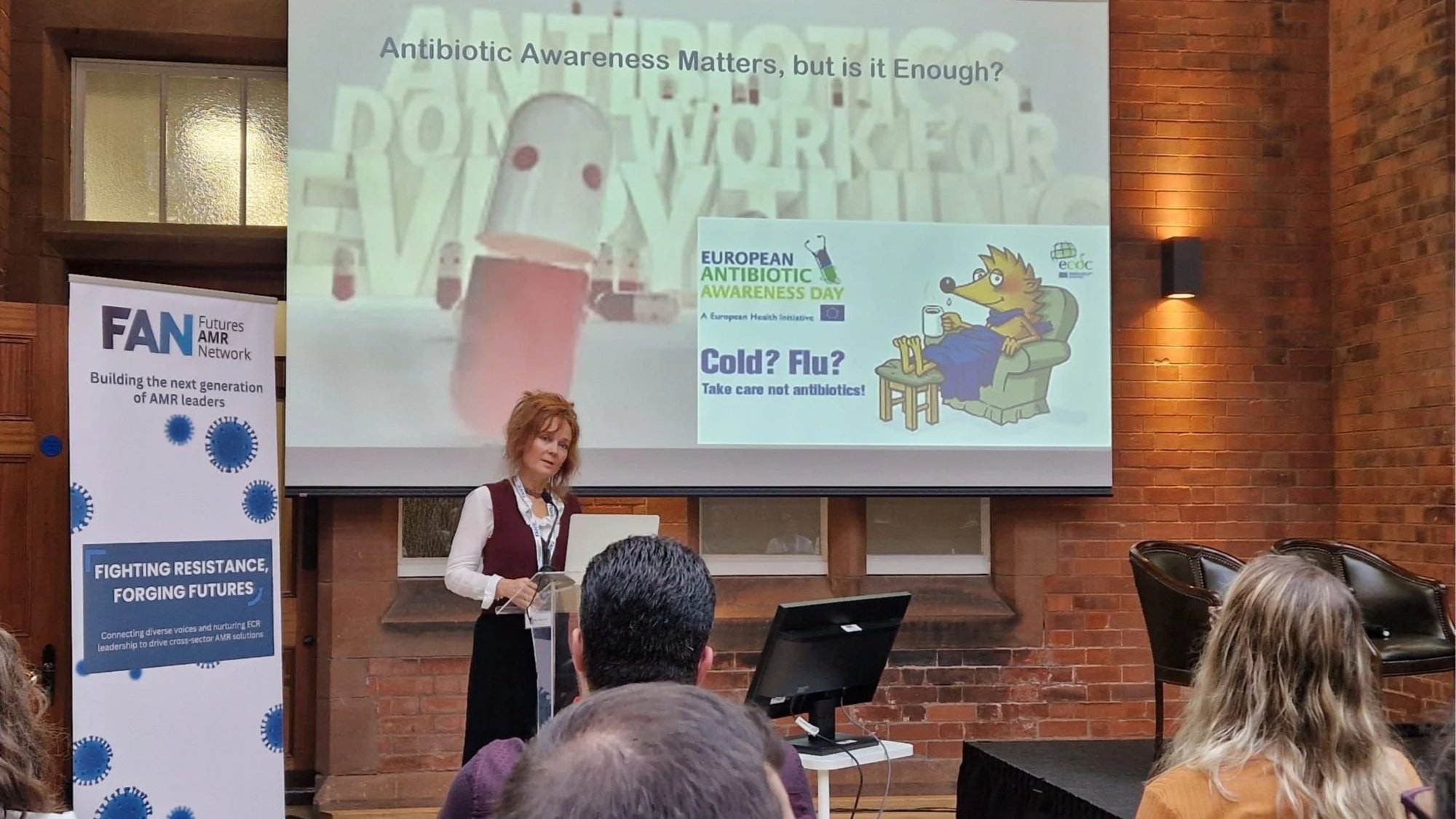
How Stories Help Educate About Antimicrobial Resistance
The website Storybug is the result of Dr. McCall’s doctoral project and an example of more effective public-facing communication around a subject that is of growing interest. Dr. McCall is supporting a growing list of storytellers keen to share their personal experience of drug-resistant infection and/or antibiotic use.
Isolation to Impact: DST in Cancer Care
Stories change systems because they change people. That truth sits at the heart of our conversation with Jack Bones, a transgender cancer survivor who used digital storytelling to transform a personal ordeal into a tool for empathy and training within healthcare. Jack’s journey began with a politicized identity, a late-stage diagnosis, and a decision to speak even when silence felt safer. In the workshop, Jack distilled a broad call for systemic change into one vivid moment: a biopsy appointment where bias met resistance, and a single act of human connection shifted everything. By focusing on a specific scene rather than an abstract argument, the story invites viewers to feel the stakes of dignity in care and to see how small gestures can influence life-or-death decisions. It’s advocacy through intimacy, and it works.
The Storyteller’s Yellow Pages
Personhood can get lost in healthcare. Files pile up, acronyms multiply, and the human at the centre becomes a collection of notes and tasks. Our conversation with Common Language DST facilitator Lisa Joworski, focuses on a simple counterweight: stories. We talk about short, meaningful videos, guided autobiography, podcasts, and even tattoos and scars as entry points to identity. The aim is not art for art’s sake; it is care that sees the whole person. When a nurse, aide, or physician has even a two-minute window into someone’s essence, decisions soften, empathy rises, and communication improves. That is the promise—and the practice—of capturing essence for care.
Neurodevelopment, Advocacy & Heart Families
The throughline of this conversation is simple and urgent: Congenital Heart Disease is not only about hearts. It is about brains, emotions, classrooms, and families learning a new language overnight. We open with the “Kitchen Table” idea—stories as living wisdom that bridges facts and life. That frame matters because parents are drowning in information yet starving for guidance. Digital storytelling gives shape to experience, turning scattered moments into a map others can follow. Across three parent narratives and two organizations, we hear the same plea: translate neurodevelopment research into everyday help, and do it early, locally, and with compassion.
Shame, Story, & Healing in Medicine
Shame is both a wound and a bridge in healthcare. It cuts when a clinician makes an error, falters under workload, or feels like an imposter. It also connects providers when a hard truth is spoken aloud and answered with empathy. In this conversation, family physician and Shame Lab co-founder Dr. Will Bynum joins host Kristy Wolfe and cardiologist Dr. Daisy Dulay to explore how medicine’s culture interacts with shame, and why digital storytelling can transform private distress into collective learning. They trace the arc from an adverse event to language, from silence to community, and from pain to practice change. Along the way, they show how shame shapes identity, performance, and patient safety—and how naming it begins to soften its hold.
Resilience Stories in Vet Education
Digital stories are short, crafted films that blend voiceover, personal images, and intentional editing to capture a meaningful moment. This episode explores how those stories move beyond memorial slideshows and into tools for care, education, and resilience. Angie Turner, a veterinary technician and legacy specialist guides us through her various storytelling practices. The focus is the human need behind the output: to name hard experiences, set boundaries with content warnings, and share purposefully with an audience that matters. In professional settings, that need is often urgent. Students and clinicians struggle with burnout, grief, and isolation; stories surface truth in a way policy memos never will.