Resilience Stories in Vet Education
Digital stories are short, crafted films that blend voiceover, personal images, and intentional editing to capture a meaningful moment. This episode explores how those stories move beyond memorial slideshows and into tools for care, education, and resilience. Angie Turner, a veterinary professional and legacy specialist guides us through her various storytelling practices. The focus is the human need behind the output: to name hard experiences, set boundaries with content warnings, and share purposefully with an audience that matters. In professional settings, that need is often urgent. Students and clinicians struggle with burnout, grief, and isolation; stories surface truth in a way policy memos never will.
Angie’s path threads multiple roles—vet tech, end‑of‑life doula, guided autobiography facilitator—into one practice. She describes training as a Common Language DST facilitator, creating her first personal story, and the decision to add a clear trigger warning for content that touches on child abuse. That choice in her story, Victim No More, models ethical care for viewers and storytellers. It also signals a standard for digital health narratives where safety comes first. Within the Common Language Collective, she found mentorship, recordings, and continuing education that turn craft questions into shared solutions: how to edit a script with impact, how to hold space, how to debrief. The lesson is consistent—story work is communal, iterative, and grounded in consent.
Watch one of Angie’s digital stories here
From there, Angie outlines two tracks. The first supports clients through guided autobiography classes, then transforms written pieces into digital stories, audio keepsakes, or legacy books. This path resists a one‑size approach; the “right” container is the one families will keep, revisit, and share. The second track is a bold education project: a third‑year veterinary school elective focused on resilience. She is producing a library of original digital stories with practicing veterinarians, then pairing screenings with live panels. Students will write their own resilience narratives—origin stories or formative experiences—and reflect on meaning, values, and coping.
Why this matters for veterinary medicine is stark. The field faces high rates of moral distress, compassion fatigue, and, too often, suicide. A story cannot fix systemic pressures, yet it can open a room to honesty, reduce stigma, and give language to the load. By hearing a senior vet name grief or uncertainty, a student learns that struggle is not failure; it is part of the profession’s emotional ecology. Paired with facilitated dialogue and clear guardrails, the practice strengthens peer connection and normalizes help‑seeking. When anchored to curriculum objectives—reflection, communication, ethical awareness—story work becomes an evidence‑informed teaching tool rather than an add‑on.
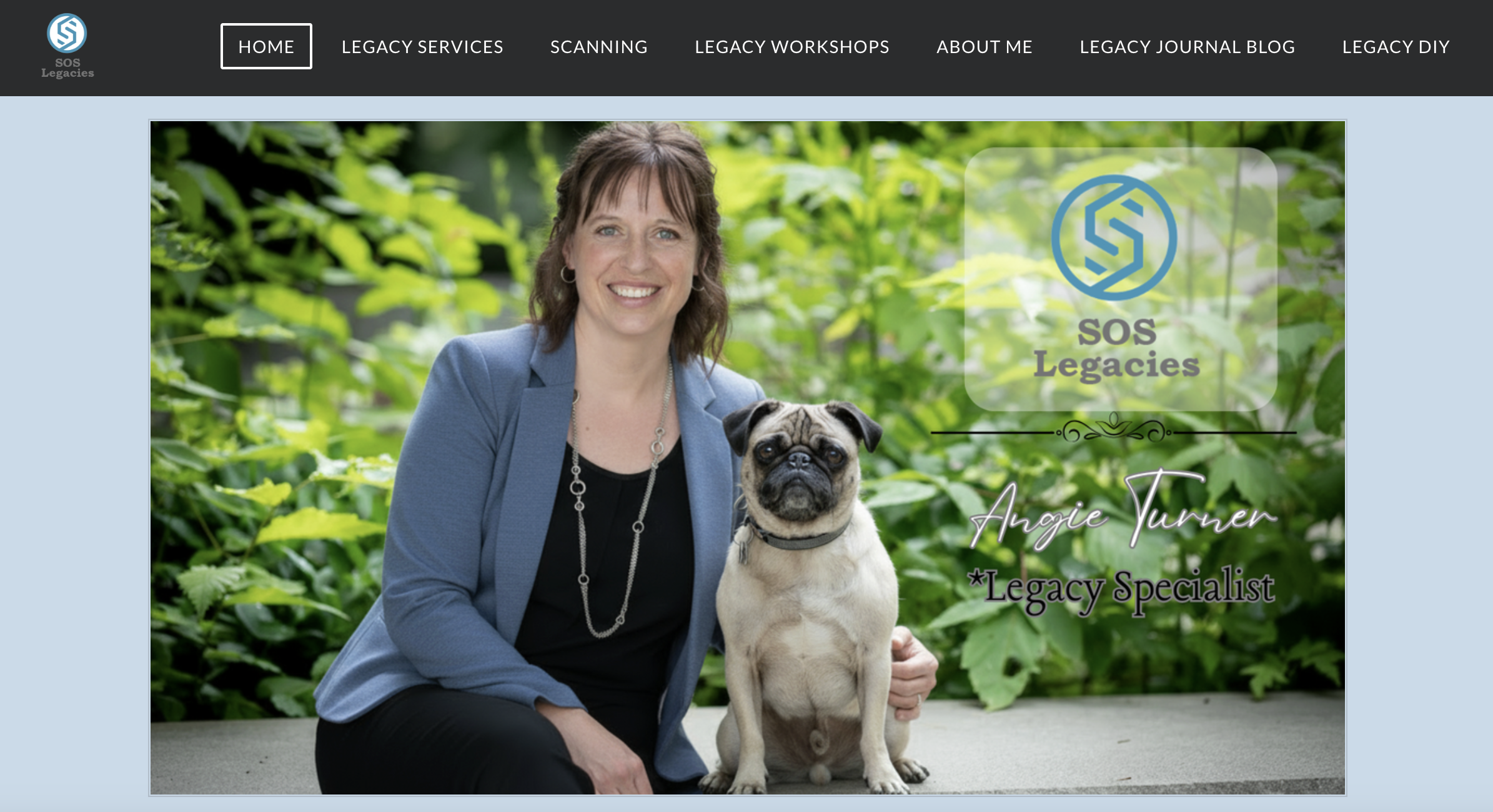
Check out Angie’s website SOSLegacies.com
Angie also tackles a practical barrier: many people do not know what “digital storytelling” means. She solved it by making a story about storytelling—showing rather than telling. That artifact helps align stakeholders, funders, and faculty around a shared definition and expectation. The host credits this model with inspiring her own explainer script and sparking broader conversations about clarity. Precision isn’t just semantic; it keeps projects from drifting into unrelated media and protects the reflective core that makes these pieces potent. Tight scripts, thoughtful images, and purposeful distribution plans turn a three‑minute film into a catalyst for learning and care.
Watch Angie’s digital story about digital storytelling here
Episode 48 Key Messages
0:49 Meet Angie: Multi‑Potentialist
2:15 Training, First Stories, and Safety
6:34 The Collective: Mentorship & Practice
11:26 Two Paths: Client Legacies & Vet Education
12:41 Designing a Resilience Elective
14:03 Panel Plans & Cross‑Disciplinary Links
16:11 Turning Written Life Stories into Media
18:00 Making Stories about Storytelling
20:13 How to Work with Angie
21:23 A Moment about Not Playing Small
The episode closes with a personal compass. Angie shares how reading Marianne Williamson’s passage on not playing small reframed her choices, leading her to step into public work, pitch the elective, and keep creating. That courage is the throughline: building resilience stories for a profession under strain, honouring legacy work for families, and modelling ethical practice with content warnings and mentorship. The promise is both intimate and institutional—when caregivers tell hard truths with care, communities gain language for healing, and students inherit tools to carry the weight without carrying it alone.
About Our Guests
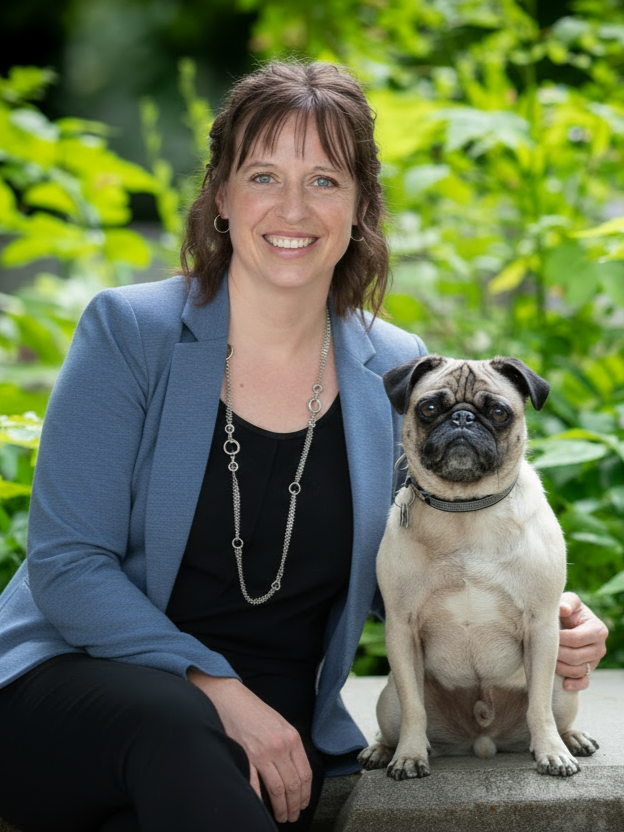
Angie Turner is a veterinary professional and digital storytelling facilitator who bridges clinical practice with narrative medicine. Through SOS Legacies, she helps veterinary professionals build resilience and strengthen their professional identity by capturing and sharing the stories that define the essence of their personal and professional journeys. By combining years of experience as a veterinary technical instructor with expertise in legacy preservation and digital storytelling, Angie creates pathways for practitioners to process their experiences, connect with purpose, and sustain their passion for animal care in an emotionally demanding field.
About Co-Created
Co-Created is a podcast that takes you behind the scenes of digital storytelling. On each episode, host Kristy Wolfe dives into conversations with the storytellers and facilitators who bring digital stories to life.
If this particular conversation resonated with you, tell a friend or a colleague about Co-Created or share one of the digital stories we were talking about. You can find the stories here.
Co-Created is presented by Common Language DST, digital storytelling facilitation training for health and wellness changemakers and is supported by the team at Snack Labs.