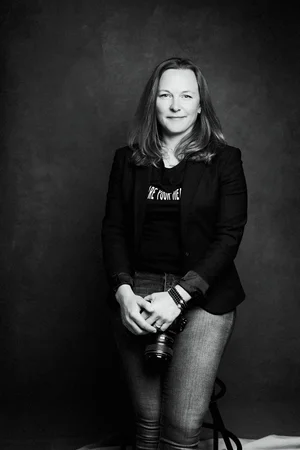
Shame, Story, & Healing in Medicine
Shame is both a wound and a bridge in healthcare. It cuts when a clinician makes an error, falters under workload, or feels like an imposter. It also connects providers when a hard truth is spoken aloud and answered with empathy. In this conversation, family physician and Shame Lab co-founder Dr. Will Bynum joins host Kristy Wolfe and cardiologist Dr. Daisy Dulay to explore how medicine’s culture interacts with shame, and why digital storytelling can transform private distress into collective learning. They trace the arc from an adverse event to language, from silence to community, and from pain to practice change. Along the way, they show how shame shapes identity, performance, and patient safety—and how naming it begins to soften its hold.
Check out The Shame Lab here
Will recounts a residency childbirth injury that triggered spiraling doubts about competence and worth. The turning point was simply learning the word shame and realizing it explained both the intensity and the narrowing of attention that kept him self-focused and isolated from the patient’s experience. That naming created space for growth. Daisy adds that adverse events are near universal in medicine, yet we internalize them and self-punish, afraid colleagues will see fraud instead of fallible human. She describes how a digital story about taking medical leave for burnout began as private processing, not performance. The act of crafting voiceover, images, and edits became a scaffold for self-compassion, helping her shift from punitive self-judgment to reflective learning and re-entry with more humane expectations of herself.
Watch Daisy’s digital story here
Story is not just catharsis; it is method. Will notes that each retelling of his story reveals new facets—moments he had never spoken aloud before—because audience, setting, and purpose change what surfaces. Kristy highlights the structured conversations they like to host after screening a digital story: asking what resonated, how it touches practice, and where shame might influence safety. This debrief reframes story as a starting point for systems reflection. Daisy connects shame to patient safety directly: it can block a clinician from asking for help before a procedure or admitting fatigue, raising risk. When leaders see well-being as “soft,” they miss how shame-driven silence escalates hazards. Story opens a door leaders can walk through to redesign norms around help-seeking and peer response.
The Shame Lab builds “shame competence,” a practical framework for teams. It centres on awareness, vocabulary, recognition, and response: being able to spot shame, name it without blame, reduce unnecessary induction, and support people constructively. Will references Nathanson’s “shame compass”—attack self, attack other, withdrawal, and avoidance—which maps the behaviours that bypass shame’s discomfort. Recognizing these patterns reframes troubling conduct as a human signal rather than only a performance problem. For program directors, this lens can transform remediation into support that addresses root causes. Training weaves research with creative media—visual art, sound design, curated narratives—because layered storytelling expands interpretation and deepens emotional truth.
Check out The Shame Space here
Barriers remain. Stigma runs so deep that groups often ask Will to remove “shame” from event titles. Participation skews heavily toward women, with many men absent or reluctant to open up; cultural scripts about toughness and emotional detachment keep them away. Funding is scarce, pushing the team toward a social venture model so impact doesn’t hinge on grants. Despite headwinds, demand grows, and resources like The Nocturnists’ 10-part “Shame in Medicine” podcast series illustrate why: hearing clinicians record raw stories into a phone, then hearing them woven with careful sound, makes private experiences legible and shared. That shared space is protective. Will grounds his own sustainability in felt love and worth beyond achievement, a foundation that lets him enter hard rooms and leave intact.
Episode 49 Key Messages
5:21 Shame’s Commonality in Medicine
6:09 Crossover with Digital Storytelling
9:49 Process: Turning Pain into Story
13:00 Evolving a Story Over Time
16:34 Post-Story Conversations as Practice
17:50 Shame Lab Origins and Vision
21:26 Scaling, Stigma, and Resistance
23:20 Training for Shame Competence
26:50 Who Shows Up and Who Doesn’t
30:12 Protecting Yourself While Sharing
The practical invitation is simple: start small. Share a minor insecurity or near-miss with a trusted colleague. Ask teams to leave oxygen after stories—quiet time, reflective prompts, gentle questions. Validate that shame’s swamp is part of the path, not a detour. Then build structures—peer check-ins, clear help-seeking norms, compassionate debriefs—that turn individual bravery into cultural habit. The goal isn’t to erase shame, but to engage it honestly so care becomes safer, workplaces kinder, and clinicians freer to be human together.
About Our Guests
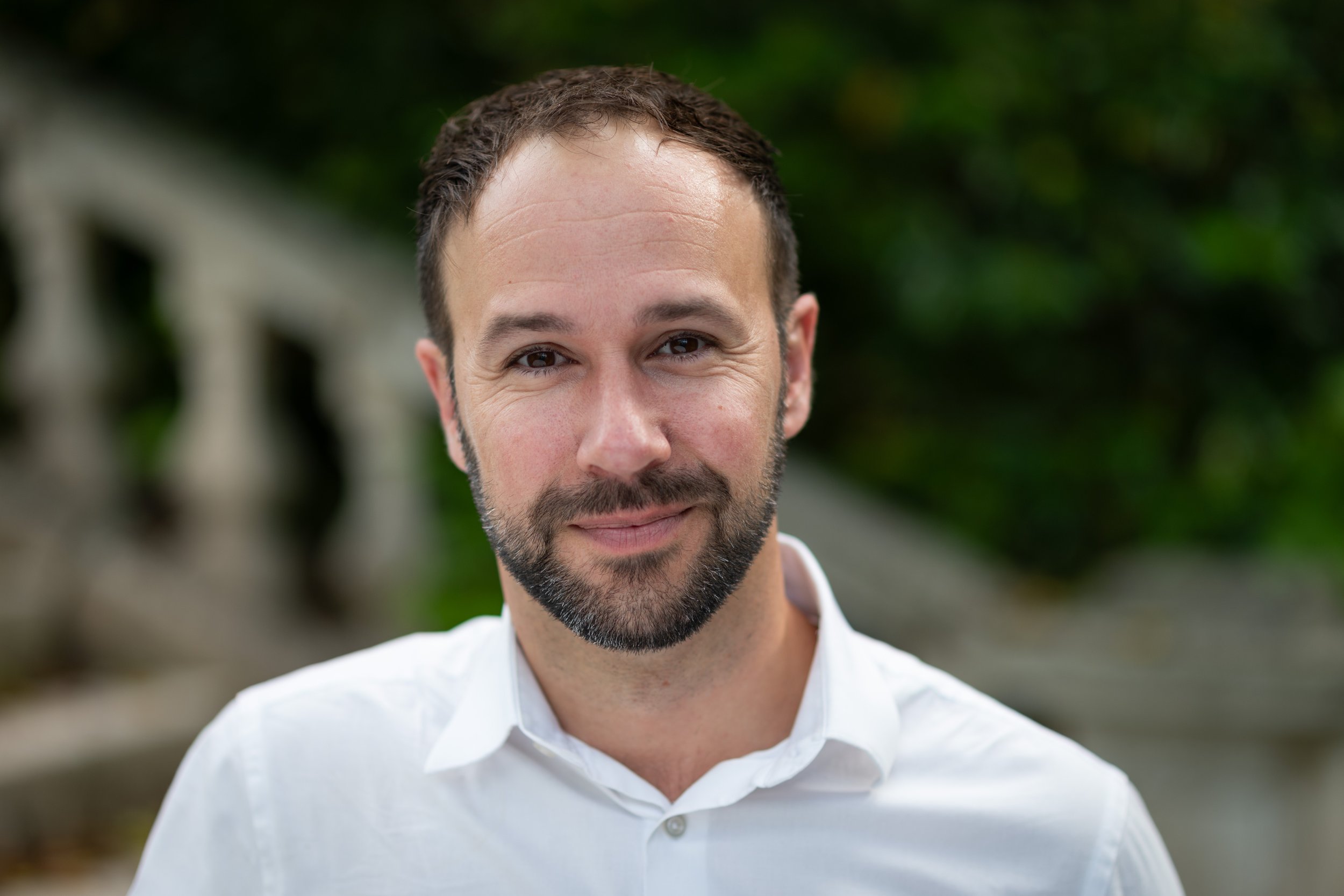
Will Bynum, MD, PhD is an Associate Professor of Family Medicine at Duke University School of Medicine and a Veteran of the United States Air Force. He received his M.D. at the University of South Carolina School of Medicine in 2010, completed his residency with the US Air Force and received his Ph.D. in Health Professions Education at Maastricht University in the Netherlands in 2023, where defended his thesis entitled “Out of the shadows: a qualitative exploration of shame in medical learners”, which was awarded best Doctoral Dissertation by the Association for Medical Education in Europe. He has published and spoken widely on the topic of shame and is Co-Founder and Co-Director of The Shame Lab, which conducts research, develops training, and delivers consultancy to advance constructive engagement with shame in professional practice.

Dr. Daisy Dulay is a cardiologist and physician leader in Quality Improvement, will share how DST differs from traditional narrative medicine and why it matters. Through the lens of her own experience with burnout and healing, she will describe how crafting and sharing stories can restore meaning, shift culture, and foster a more human-centered practice of medicine.
About Co-Created
Co-Created is a podcast that takes you behind the scenes of digital storytelling. On each episode, host Kristy Wolfe dives into conversations with the storytellers and facilitators who bring digital stories to life.
If this particular conversation resonated with you, tell a friend or a colleague about Co-Created or share one of the digital stories we were talking about. You can find the stories here.
Co-Created is presented by Common Language DST, digital storytelling facilitation training for health and wellness changemakers and is supported by the team at Snack Labs.