For patients and families living with ALS, it can feel like it swallows everything: time, plans, roles, and the ease of everyday communication. What stood out in this conversation with Leslie Ring Adams, Executive Director of the ALS Society of Alberta is a different centre of gravity, one rooted in digital storytelling and human connection. Through the work of the ALS Society of Alberta, short personal films become a way to capture meaningful moments, protect dignity, and reduce isolation for people living with amyotrophic lateral sclerosis and the families who love them. These digital stories use voiceover narration, personal photos, and careful editing to create a lasting record of identity that goes beyond symptoms and medical milestones, while also offering real-world education and comfort for other families searching for language.
Watch the ALS Screening Still Speaking: Young Adults, ALS, and the Moments that Shape Us here
This Co-Created episode also traces how support actually shows up after diagnosis. ALS is terminal, often with a life expectancy of roughly two to five years from onset of symptoms, and diagnosis can be long and uncertain because there is no single definitive test. That timeline changes everything for a household, especially when caregiving needs accelerate quickly. Leslie shares how the Alberta nonprofit fills gaps that health systems cannot always cover, including equipment lending, peer-style support, and guidance when families are shell-shocked and unsure what comes next. The focus is practical and emotional at the same time: getting through today while making meaning that can carry into tomorrow, which is why community-based services and caregiver resources remain essential.
Watch Dan’s Story “A Better Man” here.
Digital storytelling becomes even more powerful when workshops are designed around specific needs, like younger dads living with ALS and families raising school-age kids. Questions shift when a parent is in their 30s or 40s: How do we talk to children about decline? How do we protect kids from feeling like caregivers? What will life look like years from now? The workshop model creates a safe space where participants can reflect, draft, share in a story circle, and decide what they are ready to hold publicly. A crucial takeaway is storyteller well-being: sometimes the healthiest outcome is to pause or stop, reinforcing that the process can matter as much as the final video.
Episode 63 Key Messages
00:00 Why ALS stories are about more than ALS
01:25 What the ALS Society of Alberta does
02:24 Leslie’s personal connection to ALS
04:36 How digital storytelling entered the organization
11:31 Dan's digital story, family, and AI voice
13:09 Where the stories go after the screening
14:01 Who decides if a story becomes public
21:19 Filling the gaps in ALS support
22:00 If Leslie made her own digital story
Several stories highlight why narrative medicine and patient stories resonate. One young man, Dan, frames his film around becoming “A Better Man,” centring love for his wife and children while acknowledging the strain of caregiving dynamics and the fear of what kids will remember. The episode also raises the promise and complexity of AI voice technology for ALS, where a short voice sample can help generate an AI voice after speech loss, preserving a sense of presence for future messages. Other stories show how different family members experience the same illness in distinct ways, like two sisters honouring their mom through baking, humour, and a communication device that still lets her “be mom.” These moments are why ALS awareness campaigns and community screenings matter: they invite donors, clinicians, researchers, volunteers, and families into a shared understanding, and they strengthen the bridge to research efforts like the Alberta ALS Research Network.
About Our Guest
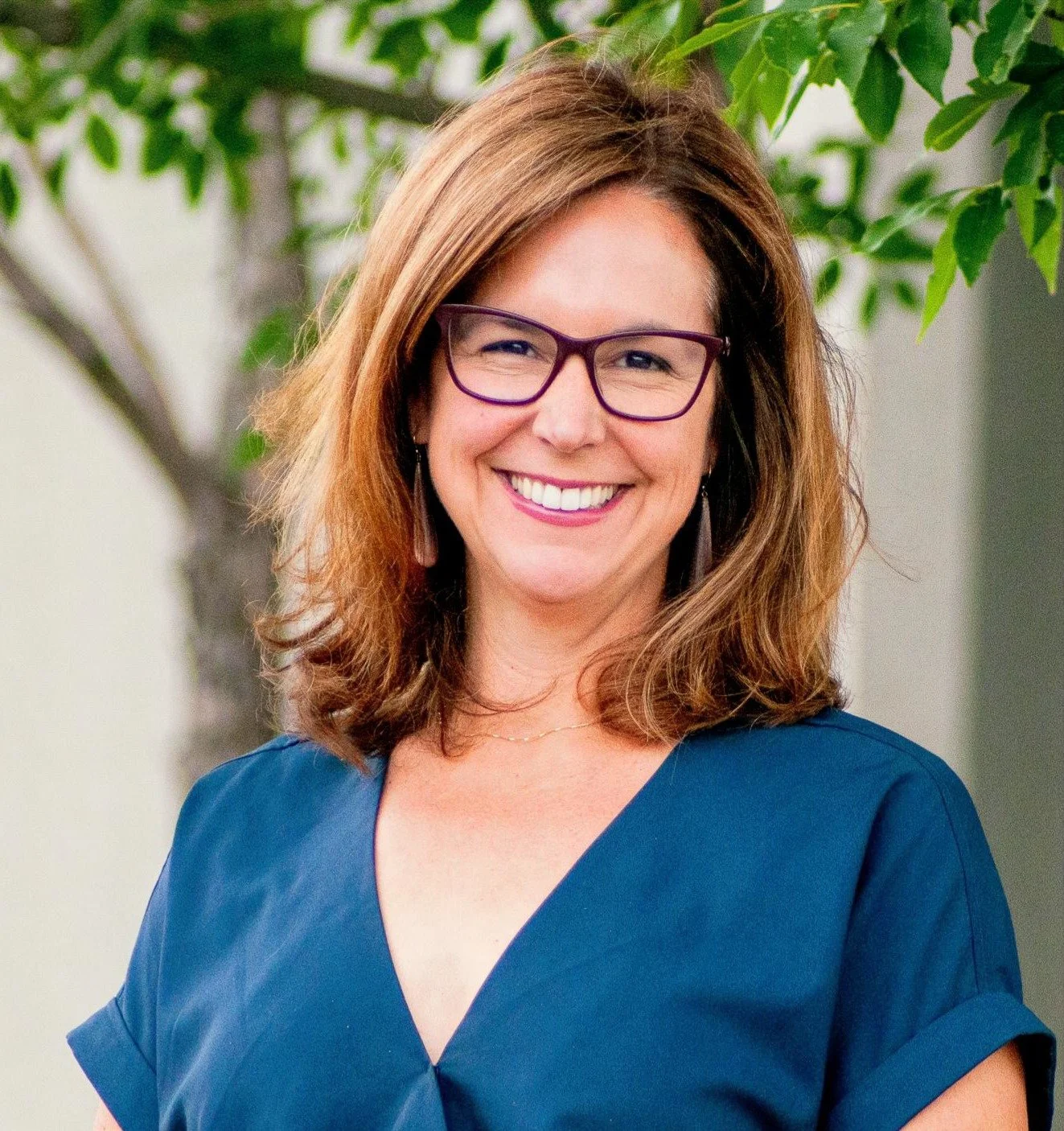
Leslie Ring Adams has been with the ALS Society of Alberta since 2015 and is currently the organization’s Executive Director. Her connection to ALS began when her mother was diagnosed with the disease. After experiencing firsthand the incredible support the Society provided to her family, Leslie decided to make a career change and join the organization.
While that experience brought her to the ALS Society, it is the people, the mission and the opportunity to make a difference that have kept her there. Leslie considers it an honour to walk alongside individuals and families living with ALS and to be part of a community that shows incredible strength and resilience.
She is passionate about making sure people affected by ALS have the support they need today, while advocating for better treatments, supporting research and working toward a future without ALS.
About Co-Created
Co-Created is a podcast that takes you behind the scenes of digital storytelling. On each episode, host Kristy Wolfe dives into conversations with the storytellers and facilitators who bring digital stories to life.
If this particular conversation resonated with you, tell a friend or a colleague about Co-Created or share one of the digital stories we were talking about. You can find the stories here.
Co-Created is presented by Common Language DST, digital storytelling facilitation training for health and wellness changemakers and is supported by the team at Snack Labs.