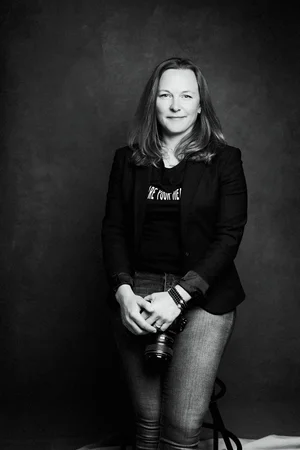
Digital storytelling is a simple idea with outsized impact: a short, crafted film built from a person’s voiceover, personal photos, and careful editing to capture a meaningful moment. In this conversation, we explore how that format creates emotional truth without needing spectacle, and why it works so well in health and wellness settings. As a digital storytelling facilitator, Melody Williamson describes how the process helps people feel seen and heard, especially when their experiences are usually private or overlooked. The therapeutic benefits show up in many forms: reflection, meaning-making, grief processing, and the quiet relief of being understood. Listeners interested in narrative healing, community storytelling, and creative facilitation will recognize a key theme throughout: the story is not just content, it is connection, and connection is often the first step toward healing.
We also dig into how digital storytelling strengthens nonprofit organizations by building a living library of perspectives. At Wellspring, a cancer support organization, the work expands beyond participants who have cancer into families, young adults, staff, and volunteers. That shift matters because organizational culture is made of many roles, and each role holds a different truth about what support looks like in practice. Volunteer recruitment, donor trust, and public awareness are all shaped by stories that feel human rather than promotional. A caregiver’s perspective, especially from voices we hear less often, can widen understanding and invite new people into support services. For nonprofits, digital storytelling becomes both an internal mirror and an external bridge: it helps teams remember why they do the work and helps the public understand how to join in.
Watch the Highlight Reel from the 2025 Story Slam.
Another major thread is the intersection of art and science through research partnerships. Melody describes connecting with researchers such as Dr. Mike Lang and collaborating with Becky McCall, whose work links digital storytelling to public health communication on antibiotic resistance. The goal is not to replace evidence but to make it land with the people who must act on it. When audiences understand why something matters to a real person, concepts like shared medical records or an “antibiotic passport” stop sounding abstract and start sounding practical. We also reflect on how collaboration inside a facilitator collective improves the work: different backgrounds, from medical journalism to behaviorual science, sharpen the story craft and deepen ethical choices. This is science communication with a heartbeat, designed to increase understanding, trust, and buy-in.
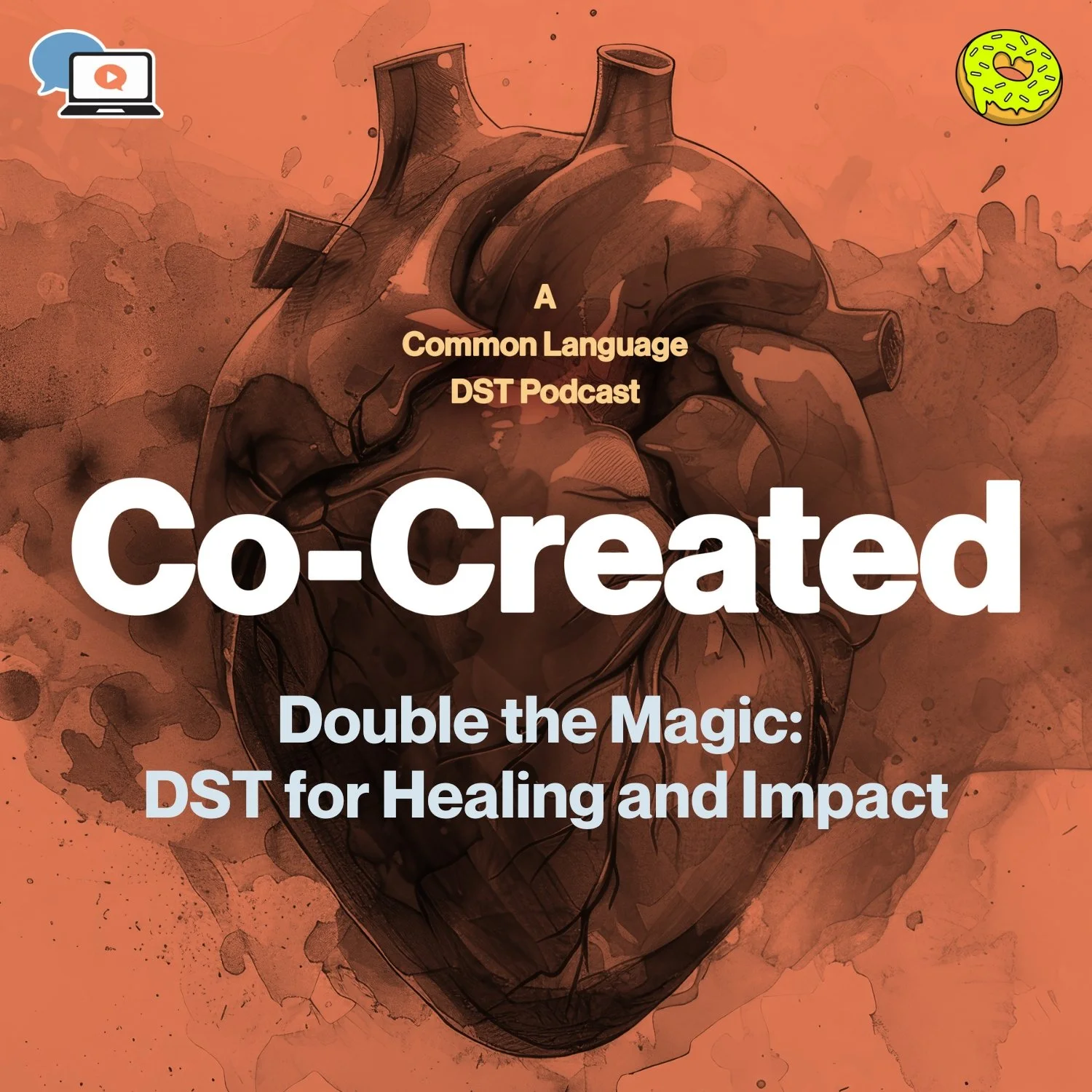
Episode 54 Key Messages
1:26 Melody’s Path into Story Work
3:59 Expanding Digital Stories at Wellspring
7:20 Research Partnerships
11:12 Story Slam and SIDS Community Healing
15:15 Facilitator Training and Mentorship Culture
20:04 Conferences and Mixing Arts for Healing
22:56 AI Tools Versus Human Story Power
27:59 How to Work with Melody
The episode returns repeatedly to community events and training as engines of growth. The Common Language Story Slam is presented as a moment where stories create ripples: one screening can lead to partnerships, new storytellers, and more support for communities like SIDS bereavement groups. We also discuss digital storytelling facilitator training, including what makes it powerful: learning by doing, then learning again by helping someone else tell a story. Mentorship meetings add another layer, including careful conversations about AI in digital storytelling and why tools cannot replace interpretation, meaning, and story arc. One story shown in a tech-heavy session shifts the whole room from passive viewing to active engagement, proving a core lesson for creators and communicators: facts inform, but stories move. The closing challenge is beautifully simple and very on-theme for anyone building connection through narrative: have coffee with someone you do not yet know well, because the best stories often start as a conversation.
About Our Guest
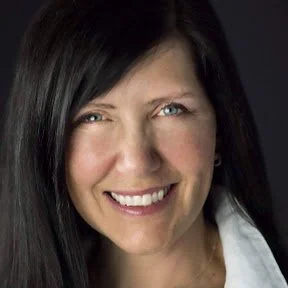
Melody Williamson, MSc., B.A., is a Level 3 Common Language Digital Storytelling Facilitator. Like all of us, Melody has been a storyteller all of her life - from reading books on her mother’s lap to a career in professional theatre, to her consulting work in equity and social justice issues.In recent years, she has combined all of her skills and experience into her passion for giving voice to those voices that aren’t typically heard and creating connection between people through digital storytelling. Her word is "Moment-us" and she loves helping people connect with meaningful moments in their lives!
Connect with Melody here.
About Co-Created
Co-Created is a podcast that takes you behind the scenes of digital storytelling. On each episode, host Kristy Wolfe dives into conversations with the storytellers and facilitators who bring digital stories to life.
If this particular conversation resonated with you, tell a friend or a colleague about Co-Created or share one of the digital stories we were talking about. You can find the stories here.
Co-Created is presented by Common Language DST, digital storytelling facilitation training for health and wellness changemakers and is supported by the team at Snack Labs.