Youth Mental Health & Storyteller Wellbeing
Digital storytelling can do something regular conversation often cannot: it creates a safe container for difficult truth. On Co-Created, host Kristy Wolfe talks with lived experience leader Katelyn Greer about how a short, voiceover-driven film can carry stories of youth mental health, child abuse and neglect, and foster care without forcing the storyteller to perform their pain on demand. When a digital story uses personal images, careful editing, and a tightly written script, the listener gets clarity and emotional honesty, while the creator keeps control over pacing, privacy, and what gets shared. That balance is at the heart of trauma-informed storytelling and why digital storytelling workshops can be so powerful for healing, advocacy, and systems change.
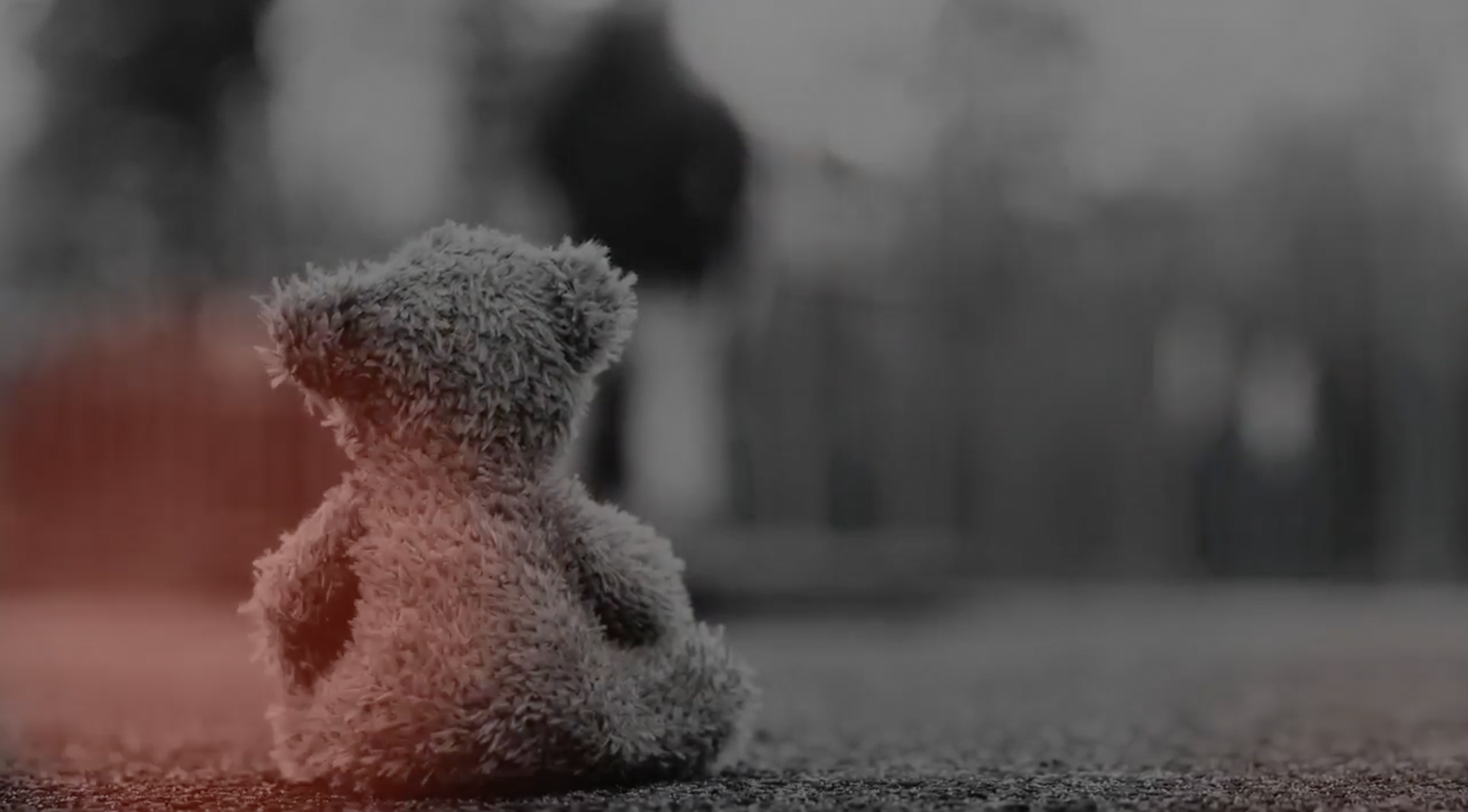
Watch Katelyn’s digital story here.
Katelyn describes making a digital story about a childhood marked by abuse, neglect, substance use in the home, and the instability that led into the foster care system. She also names how profoundly those experiences shaped her mental health, including a suicide attempt at 17. What stands out is not shock value, but intention: the story is built to be understood by people who may not know what to say or where to look. In group-based digital storytelling, feedback focuses on craft not judgment, helping creators refine the core message. For many participants, the group process adds support and artistic perspective while still honouring consent and ownership.
One of the most practical insights is how Katelyn uses her digital story professionally. Instead of retelling trauma in a job interview, she includes the film in job applications so decision-makers can watch it on their own time. That approach protects her from repetitive retraumatization and helps employers understand the “why” behind her work in peer support, youth engagement, and integrated youth service hubs like Kickstand Alberta. It also raises a bigger question about ethical listening: when audiences respond by praising “resilience,” are they missing the upstream failures that allowed harm to occur? Katelyn argues that resilience language can distract from accountability and prevention, especially in child protection, policing, and institutional responses.
Episode 62 Key Messages
00:21 Meet Katelyn Greer and her work in youth mental health
03:04 Her first digital storytelling workshop
06:01 Creating hard stories in a group setting
10:06 Story ownership, audience response, and the limits of resilience
13:39 Using stories in training
16:17 From lived experience to research
19:44 Research priorities, policy change, and youth engagement
23:14 What Katelyn’s next digital story might be
The conversation also traces Katelyn’s route into participatory research and lived experience research leadership. With mentorship, training opportunities like the PACER program, and steady work in youth engagement, she moves from research participant to researcher and facilitator of engagement. She highlights the need for paid roles and recognized credentials for people with lived experience, along with clear ethical standards that make peer support distinct. The episode connects this to broader impact through the James Lind Alliance process identifying top research priorities for child abuse and neglect, and to the push for policy change that matches social awareness, including conversations about regulating social media for young people. The throughline is simple and hard-earned: stories are not the end, they are evidence, and when used well they can train professionals, shape research questions, and move systems toward real accountability.
About Our Guest
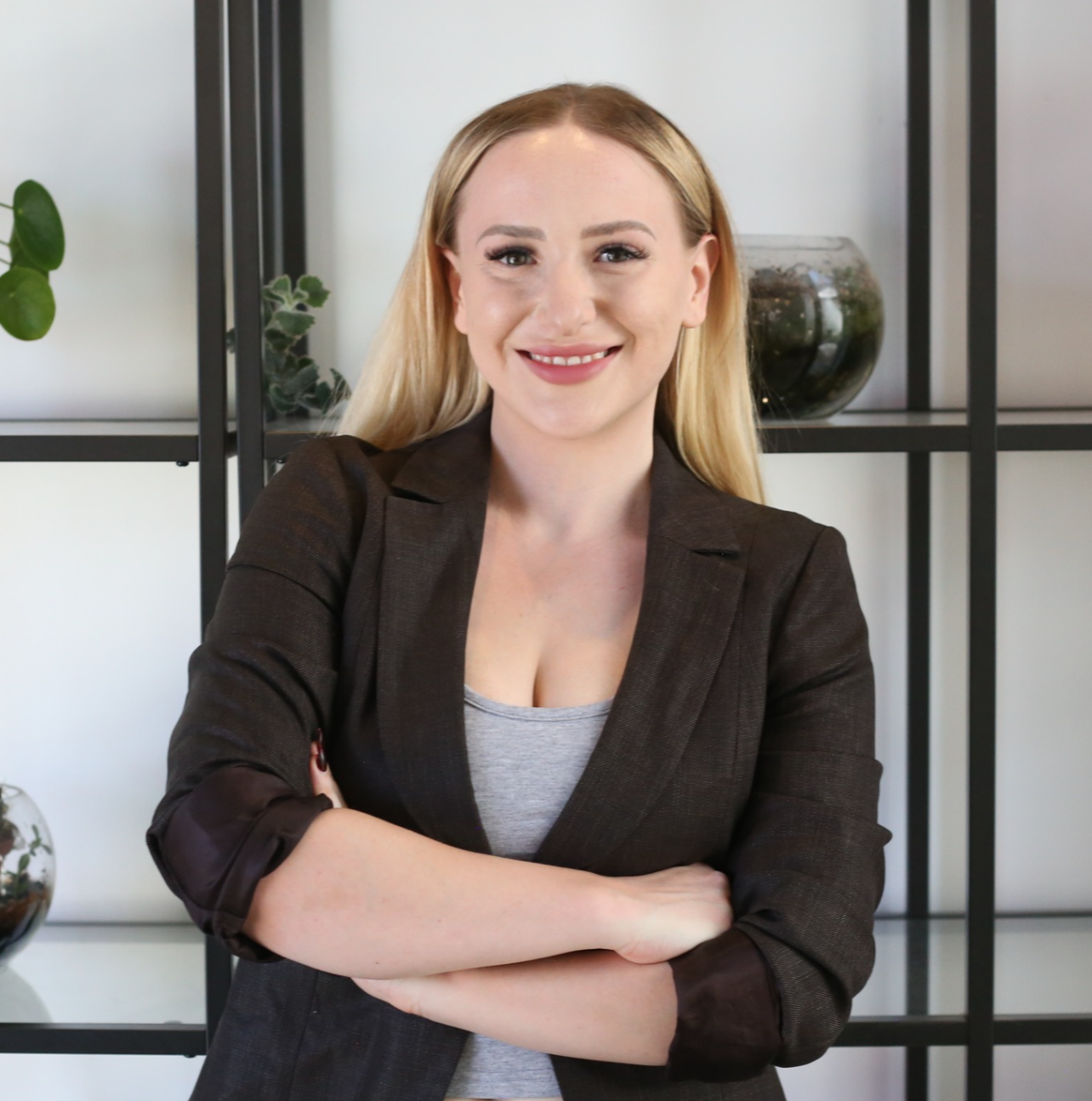
Katelyn Greer is a lived-experience leader and researcher whose work in child and youth mental health is deeply informed by her own experiences of child abuse and neglect, childhood adversity, and involvement with the foster care system. Much of her work has grown from a desire to transform deeply difficult experiences into something meaningful, using what she has lived through to help create better experiences, systems, and opportunities for young people today. She leads peer support implementation for Kickstand, Alberta’s Integrated Youth Services Hubs, and also works in youth engagement and research at the University of Calgary. Her work focuses on child maltreatment, trauma, peer support, and meaningful youth engagement, with a particular interest in creating safer, more ethical ways for young people to participate in research, storytelling, and the systems that affect their lives. She is especially interested in how lived experience can be shared in ways that are powerful and meaningful while protecting the dignity, agency, and wellbeing of the person sharing their story.
About Co-Created
Co-Created is a podcast that takes you behind the scenes of digital storytelling. On each episode, host Kristy Wolfe dives into conversations with the storytellers and facilitators who bring digital stories to life.
If this particular conversation resonated with you, tell a friend or a colleague about Co-Created or share one of the digital stories we were talking about. You can find the stories here.
Co-Created is presented by Common Language DST, digital storytelling facilitation training for health and wellness changemakers and is supported by the team at Snack Labs.