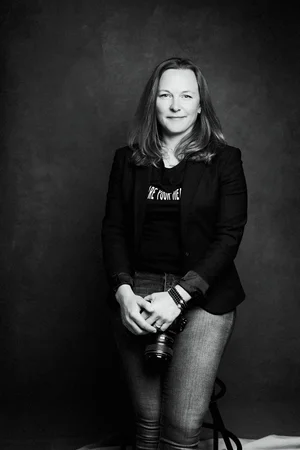
Digital storytelling can do something ordinary conversation often cannot: it slows us down long enough to feel what a story is really saying. On Co-Created, host Kristy Wolfe talks with Dr. Marie Holowaychuk, a veterinarian and mental health advocate, about why a digital story hits differently than a speech, a post, or a chapter in a book. With voiceover narration, carefully chosen images, music, and pacing, a short film invites reflection instead of passive consumption. That shift matters in health and caregiving fields, where people carry intense responsibility, compassion fatigue, and the quiet pressure to look fine while they are burning out.
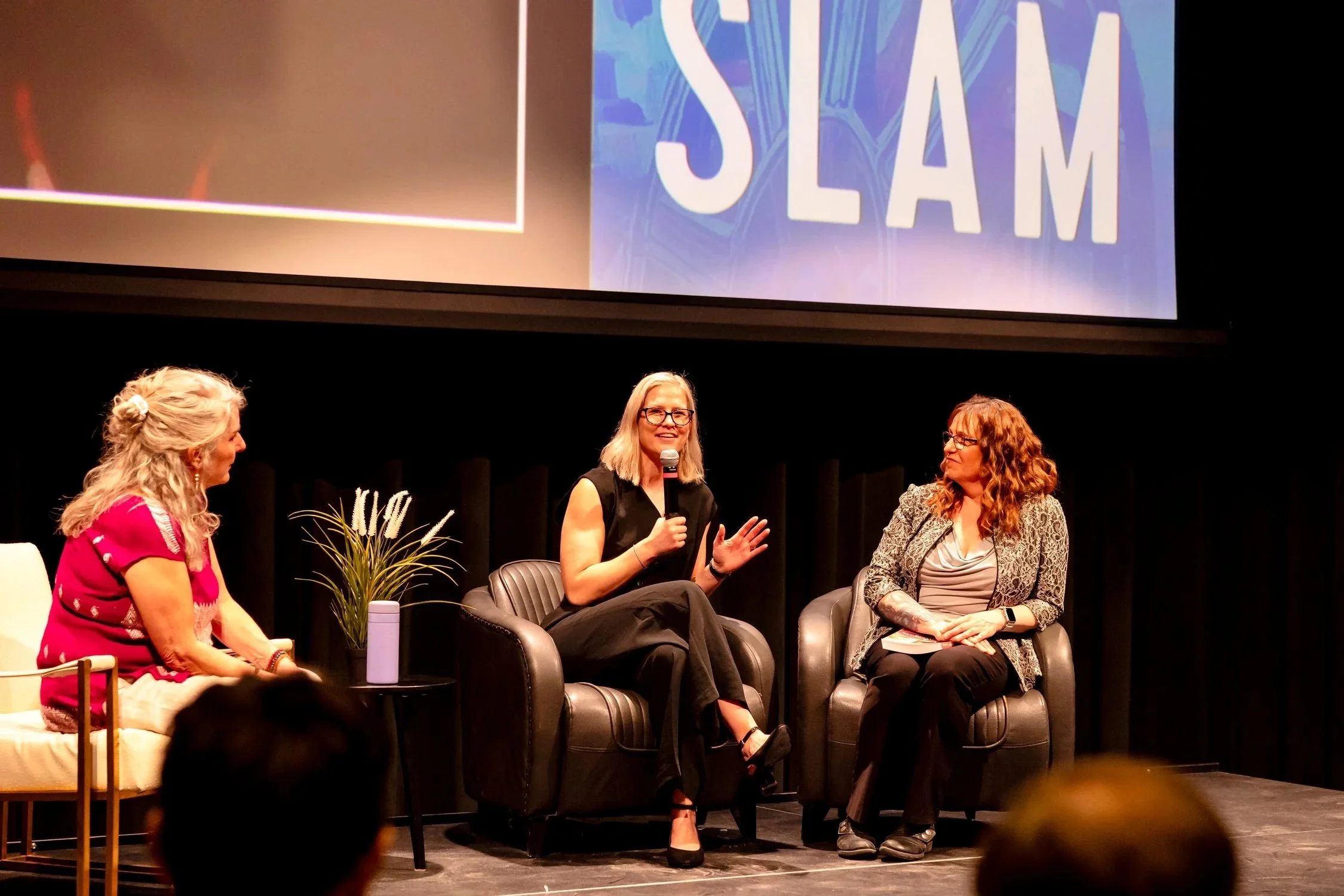
Marie on stage with Heather Knox and Angie Tanner at the 2026 Common Language Story Slam.
Marie shares her path through veterinary training and emergency and critical care, including the cycle many high achievers recognize: working harder, feeling less capable, and assuming the problem is personal weakness instead of an unsustainable system. Burnout in veterinary medicine often shows up alongside moral distress, long hours, perfectionism, and fear of judgment. Marie names how reflection, therapy, and coaching helped her find a way forward, and how her work now includes mental health education and well-being advocacy for the profession. The message is not that resilience means “tough it out,” but that recovery is possible when we talk honestly about what hurts and what helps.
Watch Marie’s digital story here.
The core story centres on a medical error during a busy ICU rotation: a feeding tube is mistakenly placed into an airway, food is delivered, and a dog named Lacey dies acutely. Marie describes the aftermath in human terms: shame, guilt, grief, self-doubt, and the dread that follows when a mistake becomes public, investigated, and litigated. For many clinicians, the fear is not only the error itself, but the isolation after it, especially when board complaints and lawsuits loom. The conversation also surfaces an important systems lesson: protocols like the “Lacey rule” were created to reduce the chance of repeat harm, reminding us that safety improvements often come from painful events that must be faced directly.
Episode 61 Key Messages
00:00 Why this story mattered to share
00:21 Meet Dr. Marie Holowaychuk
03:33 How the digital story began
05:26 The story behind Human After All
10:19 What changed when the story became digital
12:53 Ethics, images, and the family behind the story
17:05 Watching the story with a live audience
20:22 From passive viewing to active reflection
21:12 How Marie plans to use the story
24:14 The next story Marie might tell
What makes the digital story unique is how the medium holds complexity without demanding a quick resolution. Marie wrote the script, while facilitator Angie Turner assembled stock images, audio, and edits that created a different emotional experience than a standard presentation. Kristy and Marie also explore the ethics of sharing: how much personal imagery to include, how to consider a family’s perspective, and how to create space for audience reflection through turn-and-talk moments. They end by looking ahead to future stories Maria might tell, including becoming a single mom by choice, and how storytelling in veterinary education and other caregiving professions can normalize hard conversations, reduce stigma, and build healthier cultures around mental health, medical error, and resilience.
About Our Guest
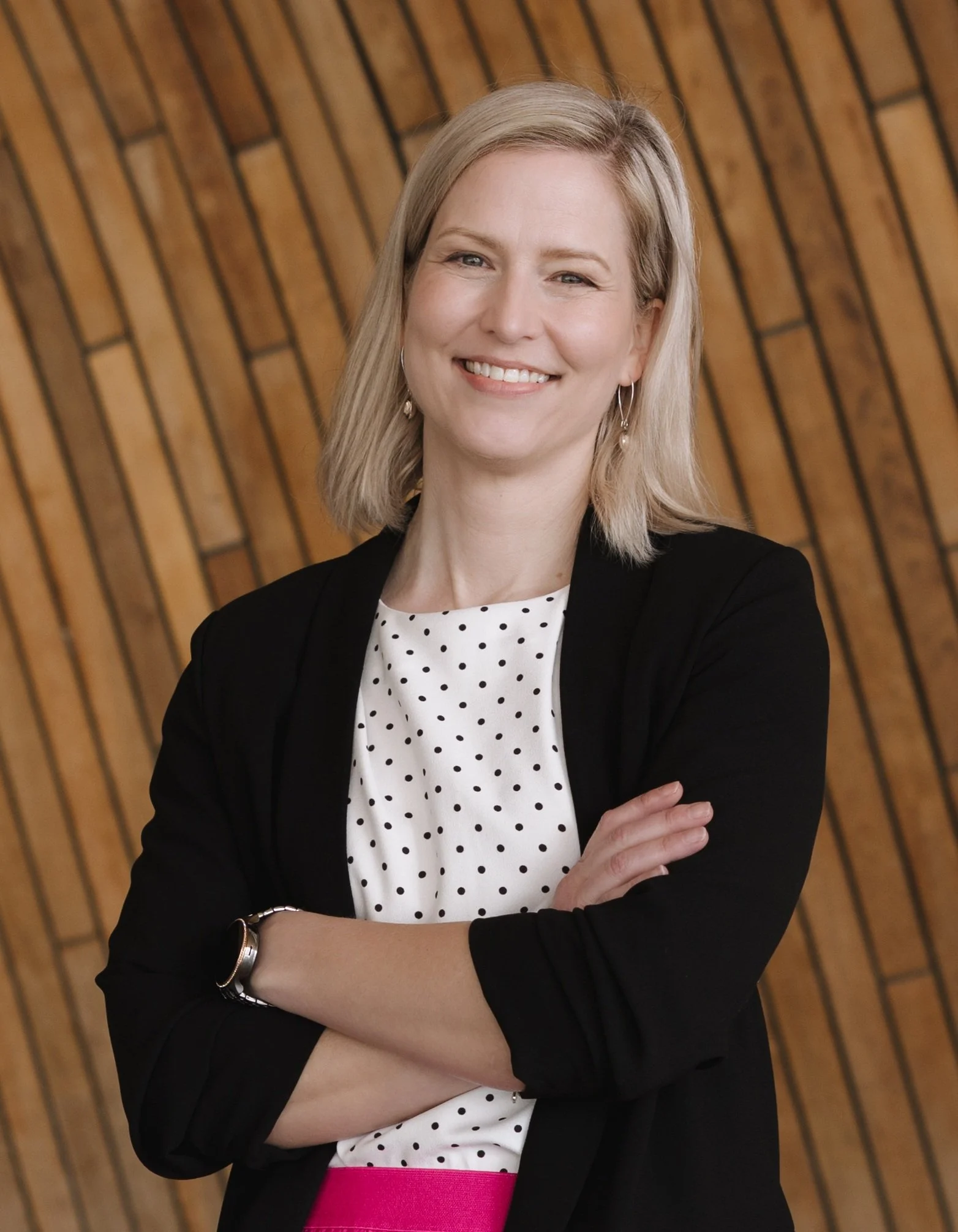
Dr. Marie Holowaychuk, DVM, Dipl. ACVECC Veterinarian, Mental Health and Wellness Advocate, Speaker, and Author
“What if caregiving professionals could thrive in their careers without sacrificing their wellbeing?”
Marie is on a mission to make that vision a reality. A passionate advocate for mental health and wellbeing in caregiving professions, Marie empowers veterinary teams and other caregiving professionals to prevent burnout, build resilience, and cultivate fulfilling careers.
With over 20 years of experience as a veterinarian and critical care specialist, Marie founded Reviving Veterinary Medicine to provide evidence-based resources through transformative programs like From Burnout to Balance and From Toxic to Terrific.
As a certified coach, yoga and meditation teacher, and wellbeing facilitator, Marie blends science, empathy, and practical insights to engage and inspire audiences. She also hosts the Reviving Vet Med Podcast, exploring topics such as mental health and workplace culture. Her contributions have earned her the Alberta Veterinary Medical Association’s Communication Award and the Alberta Blue Cross Face of Wellness Award, as well as being recognized as one of Canada’s Top Keynote Speakers of 2025 by Eureka Education and Top 100 Health & Wellness by Top 100 Magazine.
Marie’s book, A Compassionate Calling: What It Really Means to Be a Veterinarian, offers a candid exploration of the challenges and rewards of a career in veterinary medicine, shedding light on the emotional complexities and deep sense of purpose that drive those in the profession.
About Co-Created
Co-Created is a podcast that takes you behind the scenes of digital storytelling. On each episode, host Kristy Wolfe dives into conversations with the storytellers and facilitators who bring digital stories to life.
If this particular conversation resonated with you, tell a friend or a colleague about Co-Created or share one of the digital stories we were talking about. You can find the stories here.
Co-Created is presented by Common Language DST, digital storytelling facilitation training for health and wellness changemakers and is supported by the team at Snack Labs.