

More Than A Story: It’s A Catalyst For Change
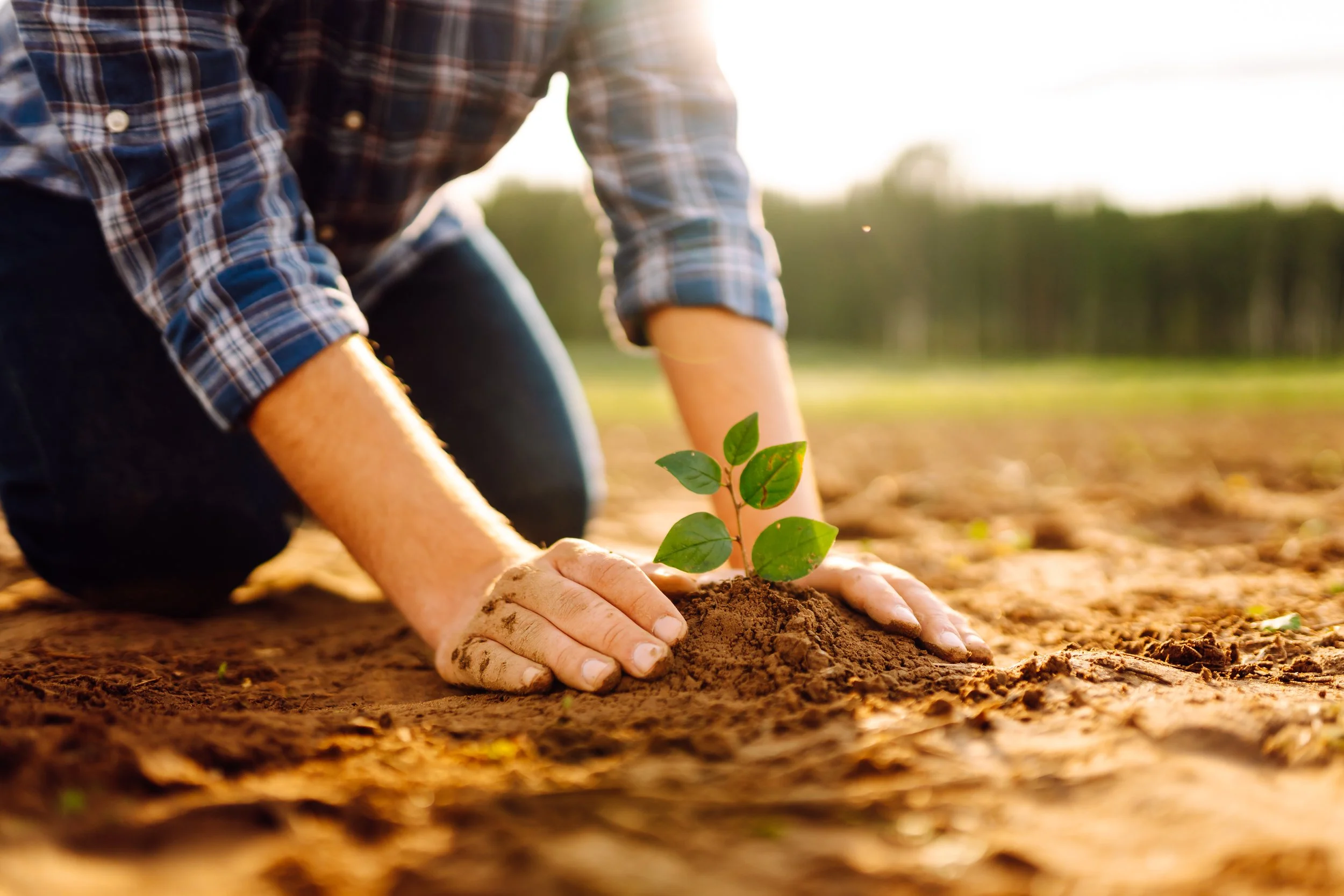
A plant can have the right soil, the perfect amount of sun, but one important ingredient is necessary for it to break out of the dirt.
Do you ever garden?
I grew up on the prairies, following my mom in her garden and my dad in the fields. Each spring, I watched them carefully prepare the soil, breaking up dried clumps, softening the rough edges, and adding nutrients to create the conditions for something new to grow. They chose the seeds carefully, too. But even with the right seed, the right soil, and all the preparation in place, something else was needed - water. Water became the catalyst that allowed the seed to break out of its pod and become a living, growing plant.
Stories can work in much the same way. A story can be carefully created and thoughtfully shared, but sometimes what makes it truly powerful is what happens next. A story reaches someone. It starts a conversation. It challenges an assumption. It opens a door to something that wasn't possible before.
This month at Common Language Digital Storytelling, we're looking at stories that have become catalysts for change.
One Story. A Ripple Effect Across Healthcare.
In 2019, through the Indigenous Health Action Plan, Mike Lang worked alongside Indigenous storytellers from across Alberta to create digital stories about their experiences within the healthcare system. One of those storytellers was Jeraldine, an Indigenous woman who courageously shared the realities of her life, including the lasting impacts of residential schools, the Sixties Scoop, intergenerational trauma, homelessness, and addiction. At the heart of her story was also something deeply personal: her effort to reconnect with her culture later in life and the barriers she encountered in practicing cultural traditions—particularly smudging—while living in a long-term care facility.
Jeraldine's story didn't stay within the walls of the project where it was created. As her digital story circulated throughout Alberta's healthcare system, it sparked conversations within the Patient Experience Team at Alberta Health Services about cultural safety and access to Indigenous ceremonial practices. Those conversations contributed to the development of a provincial smudging protocol, helping ensure that Indigenous patients and families could access culturally meaningful practices while receiving care in hospitals and health facilities across Alberta.
And the ripple didn't stop there. The protocol inspired by Jeraldine's story has since informed practices in healthcare systems across Canada.
One person shared her experience.
Her story created a conversation.
That conversation helped influence a system.
This is what it can look like when a story becomes a catalyst for change.
Content warning: Jeraldine's story deals with mature themes, including residential schools, the Sixties Scoop, intergenerational trauma, homelessness, and addiction. Please consider whether you're in the right place to watch before viewing.
Can A Three-Minute Story Change Healthcare?
That's the question at the heart of Episode 59 of Co-Created.
Host Kristy Wolfe sits down with Dr. Tricia Williams, a pediatric neuropsychologist at SickKids, to explore how digital storytelling is being used in clinician education, research translation, and family-centred care. Their conversation looks at something we've seen again and again through digital storytelling: stories can communicate what data alone cannot.
A single caregiver's story can influence a conference presentation, become part of a training program, shift a conversation, or make people see a familiar issue from an entirely different perspective.
If this blog post has you thinking about how lived experience can shape healthcare systems, this episode is a natural next listen.
Where Stories Take Us.
When personal narratives are brought alongside research and facts, something important happens. Learners aren't simply memorizing information; they're connecting that information to real human experiences.
Digital stories can deepen learning, challenge assumptions, and help students see the human side of healthcare, research, and education.
Stories don't replace knowledge - they bring it to life.
And perhaps that's another kind of catalyst.
A story can take something we already know and help us understand it differently. It can move information from the page into something we can see, hear, and feel.
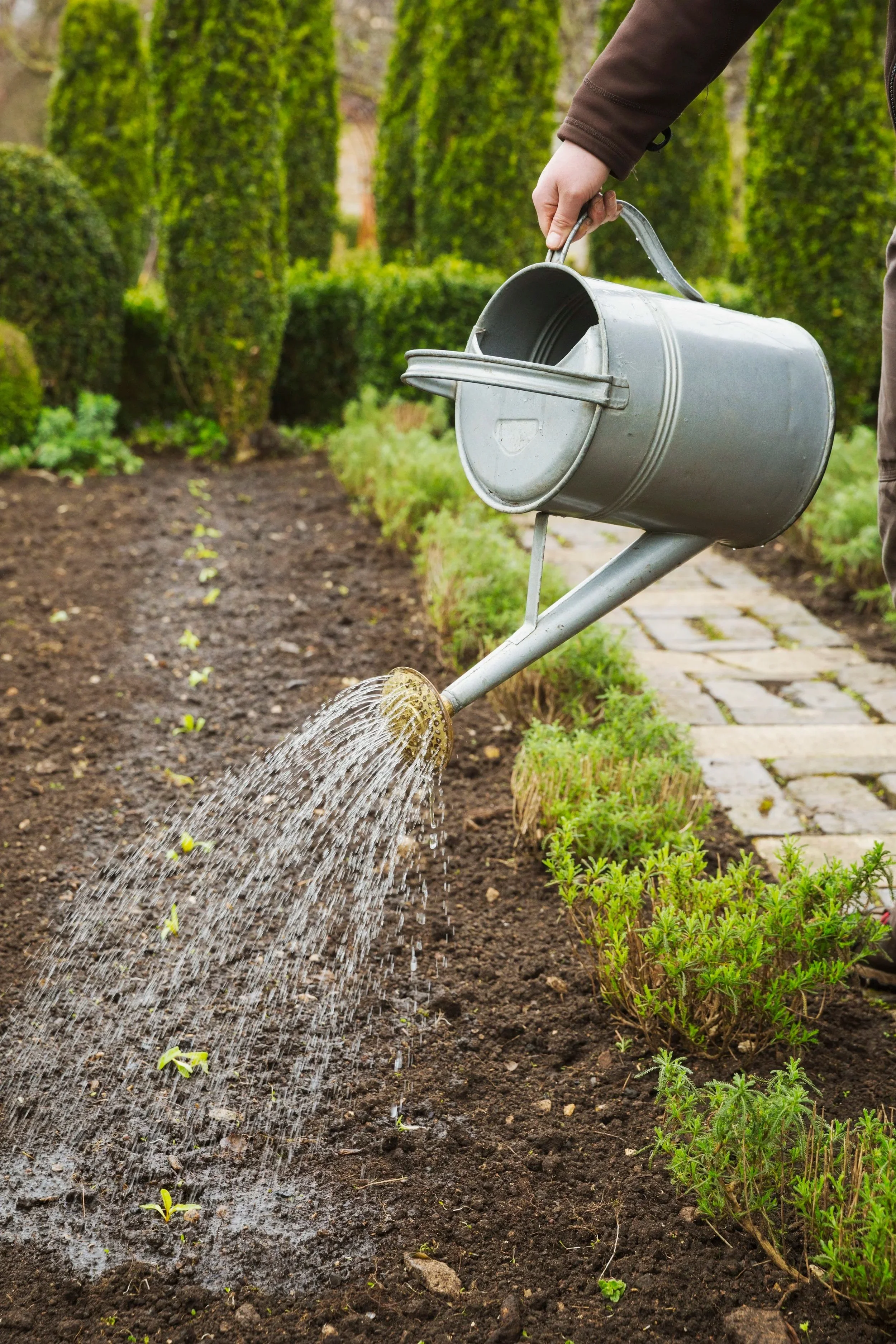
A gardener can't force a seed to grow, but they can prepare the soil.
They can choose the seed carefully. They can provide the nutrients it needs. They can water it. And they can create the conditions where growth becomes possible.
Digital storytelling can do something similar.
We create space for people to tell their stories. We listen. We share those stories thoughtfully and ethically. And then we see where they go. Sometimes a story simply helps one person feel less alone. Sometimes it starts a conversation. And sometimes, as Geraldine's story demonstrates, it travels much farther than anyone could have imagined.
A story is more than a story - Sometimes, it's the catalyst that helps something new take root.
