More Than A Story: How Digital Stories Shape Systems
Have you ever watched a river slowly carve its way through the landscape?
One of my favourite things about spring and summer is getting outside to watch nature come alive again. Each spring in Manitoba, the frozen puddles, creeks, and lakes that have been locked beneath ice all winter begin to crack, melt, and flow once more.
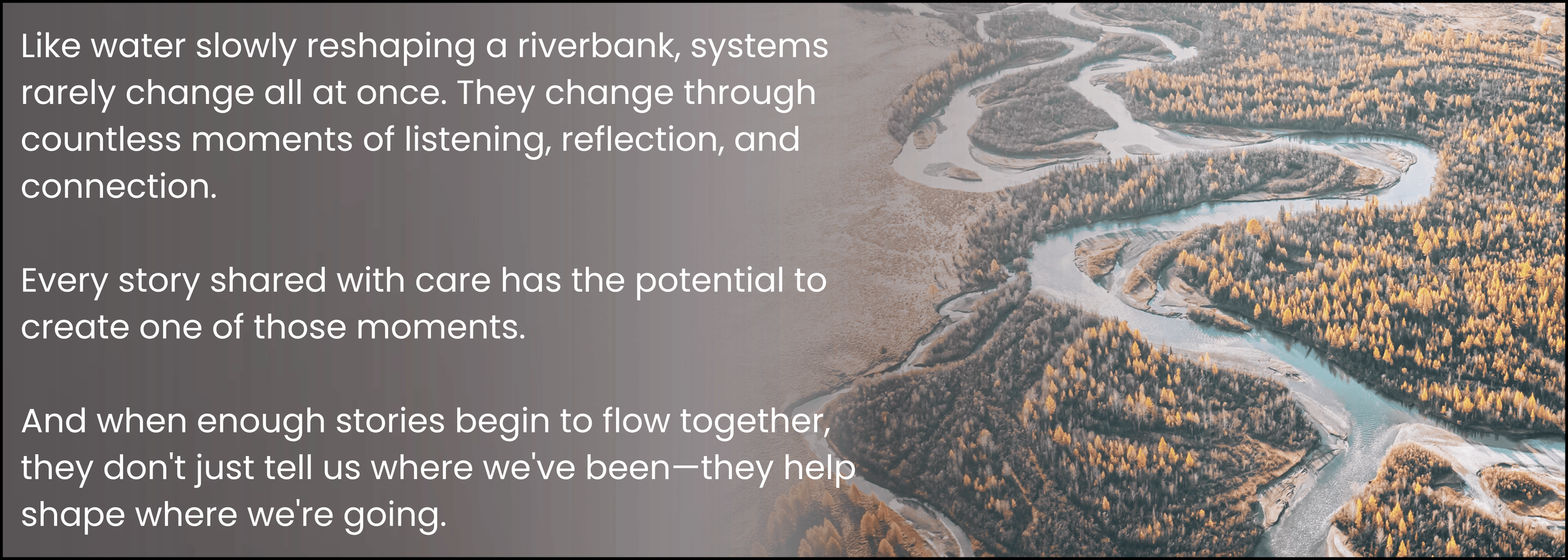
I've always found moving water calming. Whether I'm sitting beside a creek or looking out the window of an airplane, I find myself tracing the winding paths of rivers across the prairie. Every bend is evidence of something remarkable: patient persistence. One molecule at a time, water reshapes the land—not through force, but through consistency.
Stories work much the same way.
A single story may touch one person. Many stories, shared with purpose, can begin to reshape the systems around us. They help us question assumptions, deepen understanding, and create space for change that facts alone often cannot accomplish.
This month, we've seen powerful examples of exactly that.
Stories That Change Healthcare
Last fall, Common Language Digital Storytelling facilitator Krystle Schofield partnered with BC Cancer to facilitate a digital storytelling workshop with six people who shared their lived experiences of cancer and person-centred care.
Before any workshop begins, Krystle spends time with organizations asking an important question: Why are we inviting people to tell their stories?
Being transparent about how stories will be used and ensuring storytellers retain ownership builds trust. That trust creates the conditions for authentic storytelling, allowing participants to explore experiences with honesty and depth.
The result was more than a collection of moving stories. BC Cancer created a public digital story library that supports education and systems improvement while thoughtfully preparing viewers to engage with these stories in meaningful ways. They also brought the storytellers together for an in-person screening and discussion during the BC Cancer Summit—a powerful reminder that caring for storytellers is just as important as sharing their stories.
One of Krystle's favourite approaches to helping audiences engage with difficult stories is surprisingly simple:
"As you watch, consider what resonates with you and why?"
When we do that, stories become more than something we watch. They become opportunities to learn, reflect, and grow.
What Changes When We Treat Stories Like Data?
That same question was explored in a recent episode of the Co-Created podcast.
In conversation with Kristy Wolfe, Dr. Katharine Smart reflects on how digital storytelling helps healthcare providers, patients, and families feel seen, heard, and understood. Their discussion explores how stories strengthen relationships, encourage deeper listening, and create meaningful change throughout healthcare systems.
The conversation connects with Reclaiming Voice in Medicine: Digital Storytelling as a Catalyst for Connection and Culture Change, a panel presented at the Canadian Conference on Physician Wellness. Together, they challenge us to consider what becomes possible when lived experience is valued alongside traditional forms of evidence.
Why Digital Stories Belong in Education.
In a recent Common Language blog, Dr. Mike Lang described how digital storytelling has evolved from something he once had to defend to something now embedded within a University of Calgary nursing curriculum. That shift represents more than a successful teaching strategy—it signals a systems change. When stories become part of how future healthcare professionals learn, they begin to shape not only individual perspectives but also the culture of care itself.
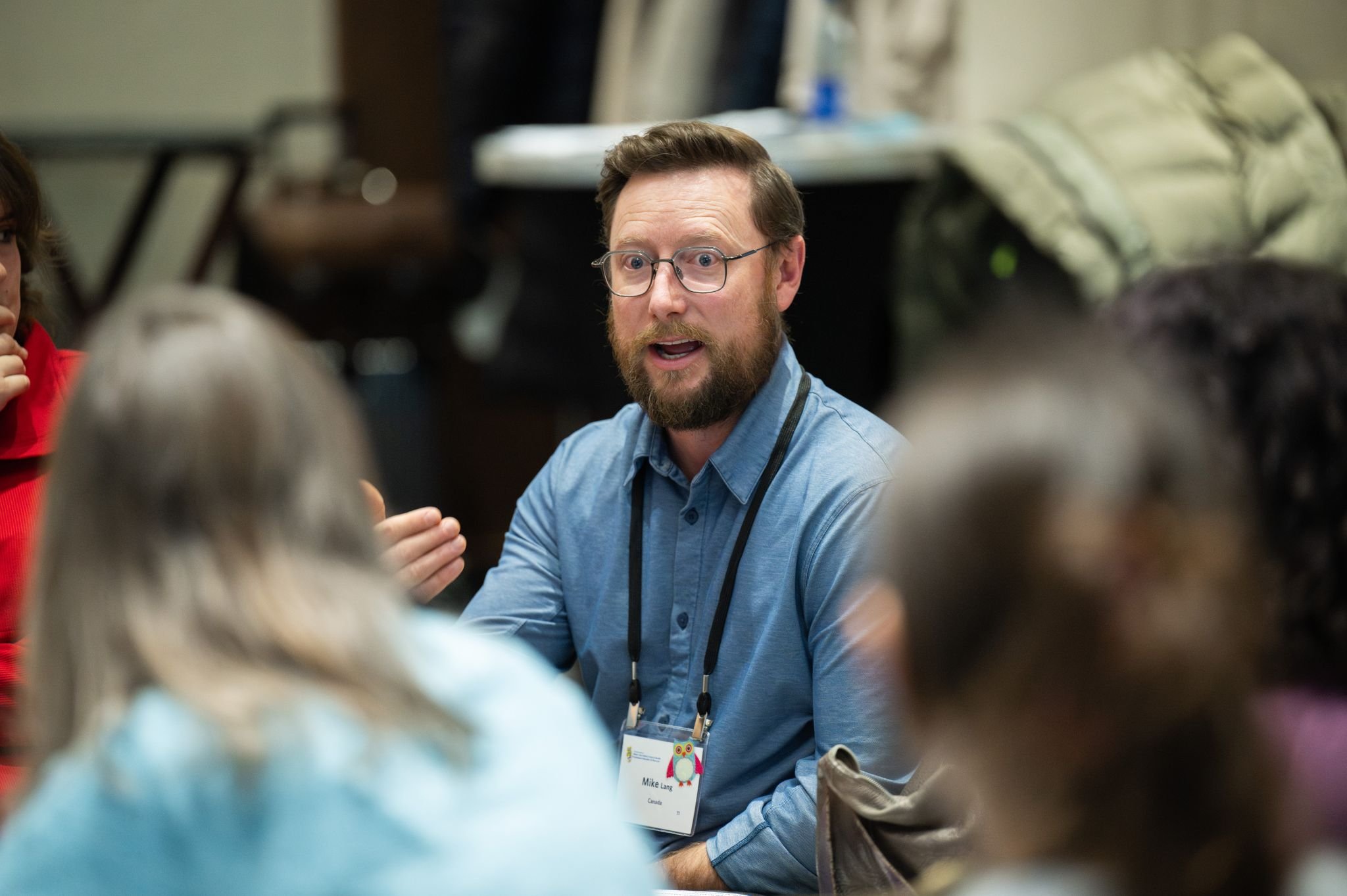
Stories don't only shape healthcare—they also transform learning.
You can find this blog post here.
Facts are essential, but stories provide context, humanity, and understanding. Lived experiences help learners move beyond memorization, challenge assumptions, strengthen critical reflection, and develop empathy in ways textbooks alone cannot.
While this example comes from nursing education, the principle extends far beyond healthcare. Whether you're involved in education, advocacy, research, or healthcare, digital stories have the power to deepen learning, spark meaningful conversations, and inspire action. They help us connect knowledge with lived experience—and that's where lasting learning begins.
Growing Our Community
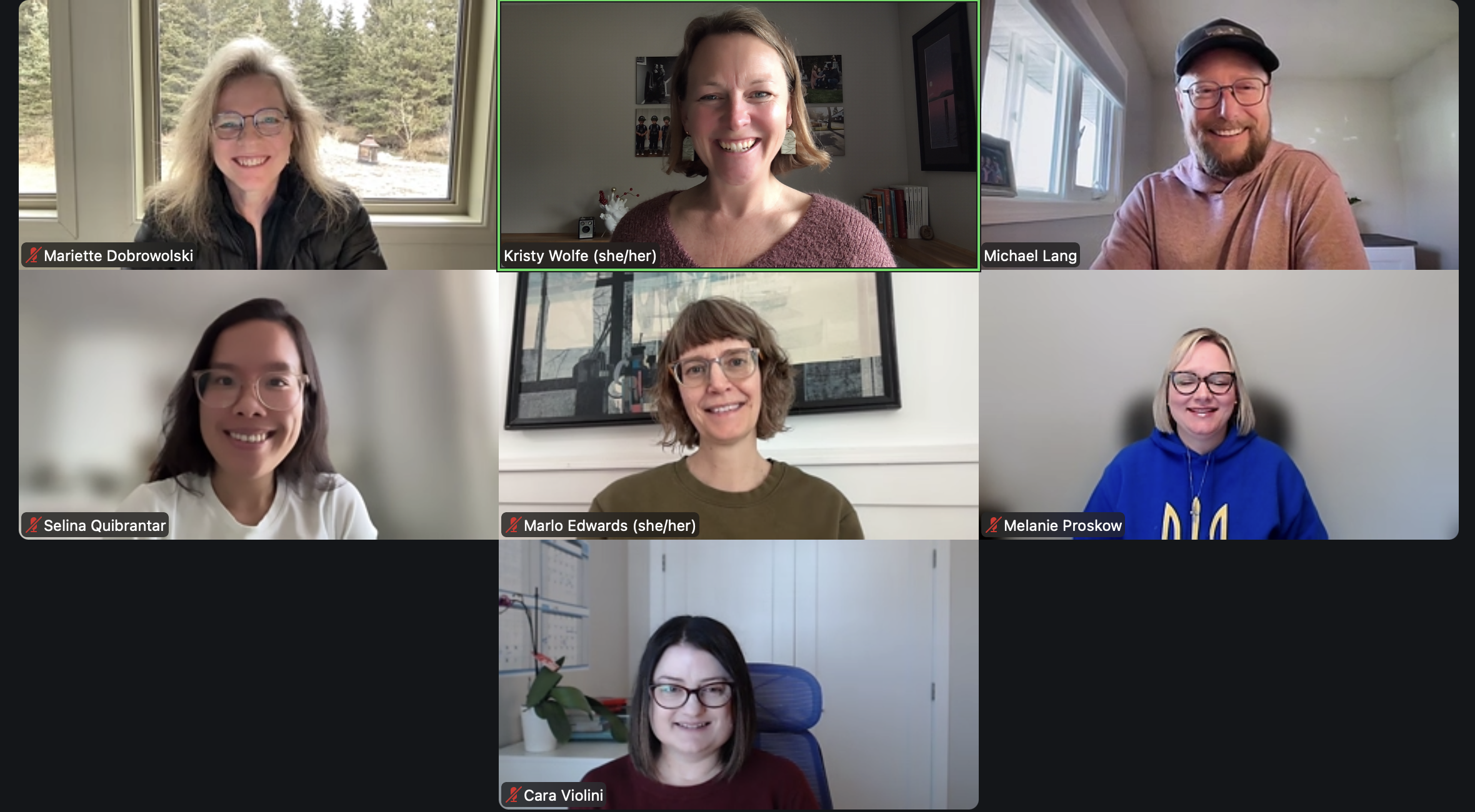
Spring 2026 Trainees
As stories continue to shape systems, we're excited to welcome five new Level 1 facilitators to the Common Language Digital Storytelling collective: Mariette Dobrowolski, Selina Quibrantar, Marlo Edwards, Melanie Proskow, and Cara Violini.
Congratulations on completing your training! We look forward to seeing the many ways you'll foster connection, understanding, and meaningful change through digital storytelling.