Digital Stories in Community-Based Research
Digital storytelling in healthcare is more than a creative exercise. When a person records their own voice, chooses personal images, and shapes a short film around a meaningful moment, the result can cut through stigma and abstraction in a way traditional research reports rarely do. In this conversation, we connect digital storytelling to quality improvement, long-term care, and systems change. The throughline is simple: stories are a lever. They help teams see patient experience, illuminate hidden barriers in services, and make space for harder topics like dementia, disability, and medical assistance in dying (MAID) without reducing people to diagnoses or categories.

Watch Carolyn’s digital story here.
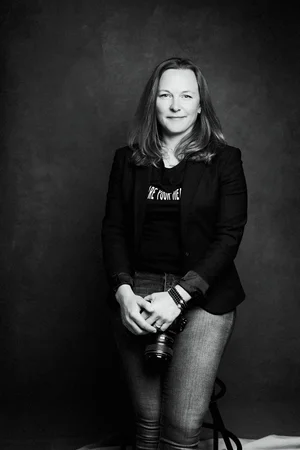
Carolyn’s path into facilitation starts in recreation therapy and community programming, supporting older adults who feel disconnected after a health episode, loss, or major life transition. That work leads her into research and quality improvement, where she learns how small trials can shift culture and practice across entire care settings. Her own digital story becomes a vivid example of why this method works. After learning she needed a hip replacement at age 45, she spends years navigating pain, wait times in Canada, and the psychological impact of sudden limits on mobility. Then she chooses an unlikely next chapter: training for months, traveling alone, and climbing mountains in Tanzania, including Kilimanjaro, while supporting women guides entering a male-dominated field.
Learn more about Carolyn’s research here.
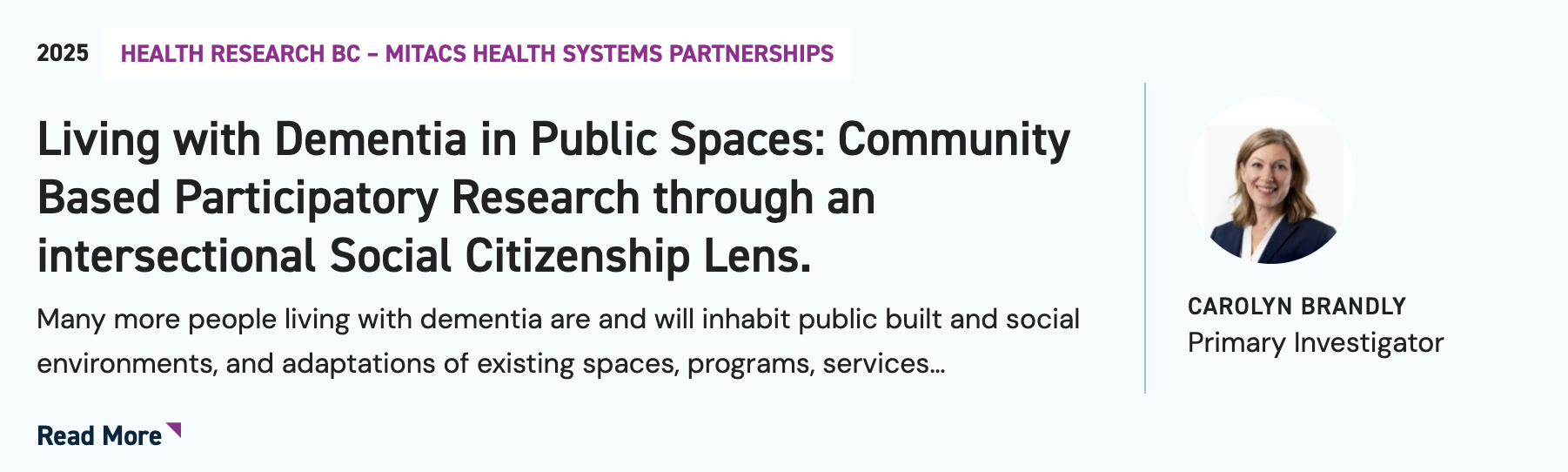
The episode also digs into how digital storytelling can strengthen dementia research through community-based participatory research. Carolyn describes building a PhD around amplifying the voices of people living with dementia who are too often excluded from research processes. She is developing an adapted digital storytelling protocol with a co-researcher who lives with dementia, adjusting pacing, simplifying participant materials, and designing supportive facilitation so the method stays engaging and accessible. The aim is practical: trial the approach with five participants, gather feedback, and produce a clear protocol that other researchers and health systems can use to include lived experience ethically and meaningfully.
Watch Marg’s story here.
Episode 60 Key Messages
0:00 Why Research and Stories Matter
0:47 Carolyn’s Path Through Care Systems
2:58 MAID Stories and Breaking Stigma
5:49 Choosing a Personal Story to Tell
8:00 New Hip and Climbing Kilimanjaro
12:03 A PhD Built around Dementia Voices
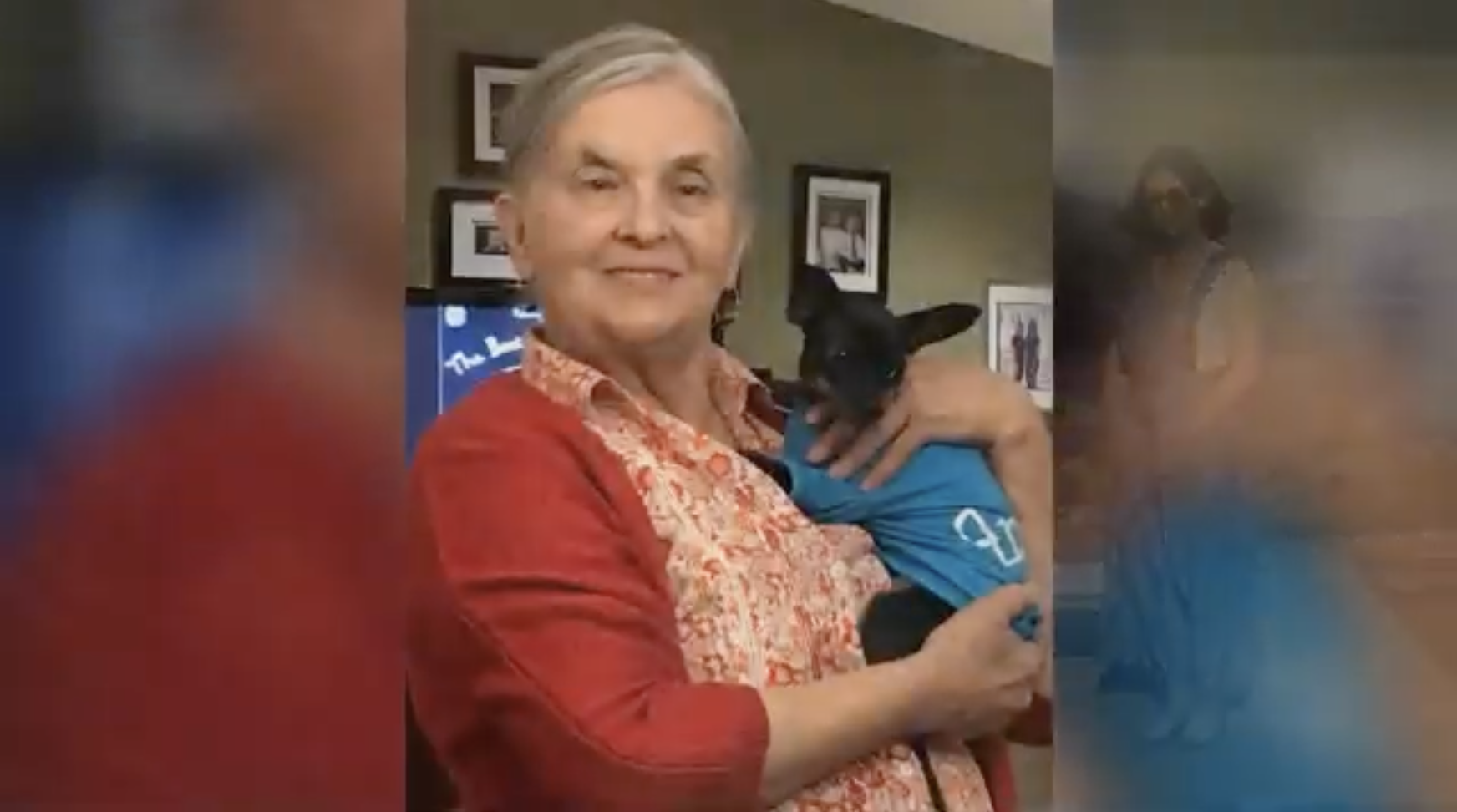
15:38 Making a Story with her Mom
20:53 Consent and Sharing Stories Publicly
24:27 Ethics Boards and Assumed Capacity
Ethics and consent are not side notes here, they are the work. Sharing a digital story publicly can be empowering, but it is also lasting, so informed consent needs time, clarity, and repeated check-ins. The conversation names a core barrier that shows up in universities and health systems alike: assumed incapacity. Treating people living with dementia as automatically unable to consent creates unnecessary gatekeeping and reinforces discrimination. A rights-based approach flips the default by assuming capacity and then offering the specific supports someone needs, just like we do for everyone else. For facilitators, clinicians, and researchers, the takeaway is actionable: build processes that protect people without erasing their agency, and let the story lead the learning.
About Our Guest
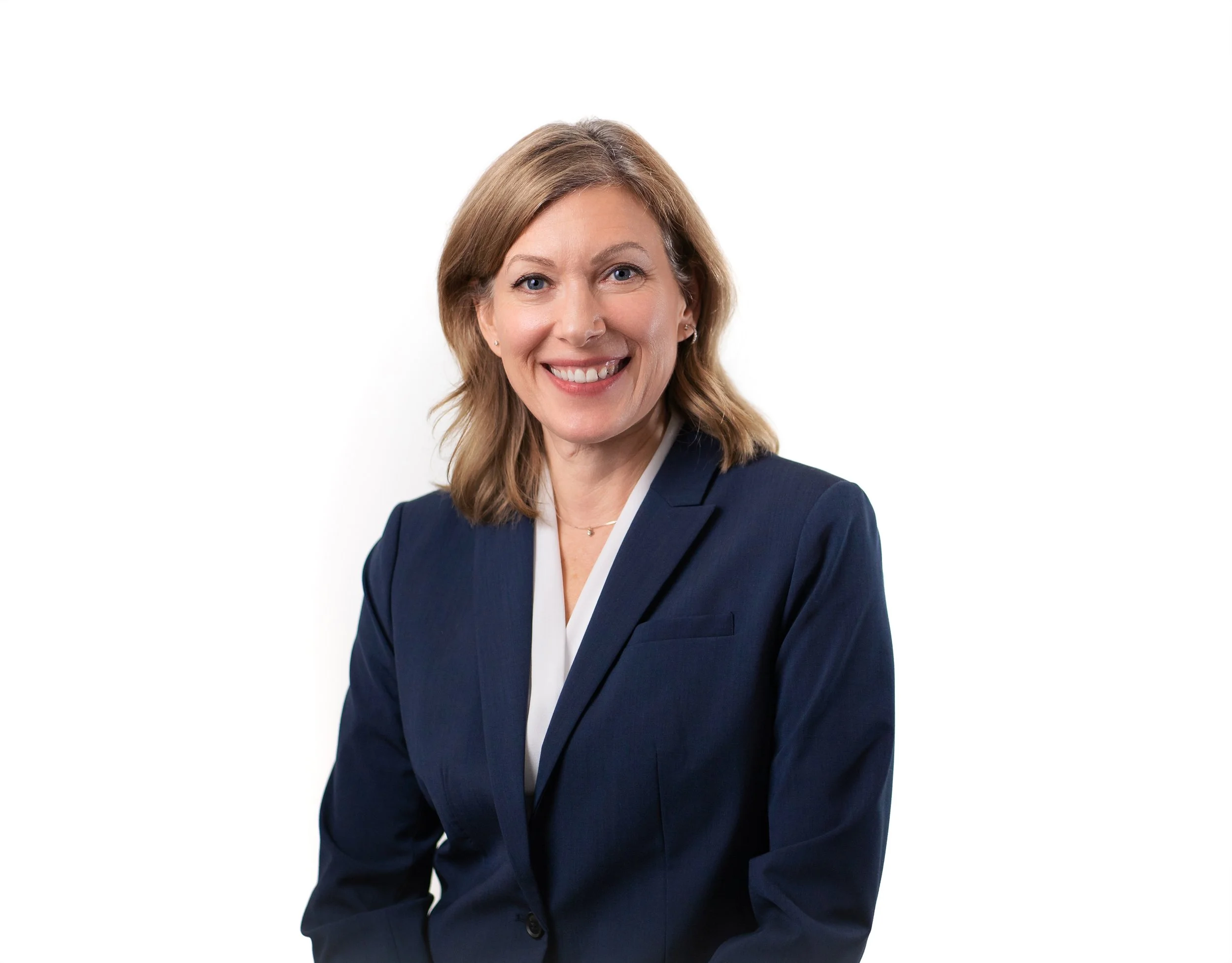
Carolyn Brandly has worked with and for older adults and people with dementia for 20+ years in care and community settings – designing, implementing, and evaluating health promotion programs, and facilitating community development, knowledge translation and quality improvement initiatives and research. Carolyn has achieved an MA in health leadership, as well as completing graduate-level education in dementia studies, gerontology, and entrepreneurship, and is currently undertaking doctoral studies through the University of Victoria’s Social Dimensions of Health Program. Her aim is to contribute to global efforts shaping inclusive health and social systems that uphold the human rights, autonomy and dignity of people living with dementia.
About Co-Created
Co-Created is a podcast that takes you behind the scenes of digital storytelling. On each episode, host Kristy Wolfe dives into conversations with the storytellers and facilitators who bring digital stories to life.
If this particular conversation resonated with you, tell a friend or a colleague about Co-Created or share one of the digital stories we were talking about. You can find the stories here.
Co-Created is presented by Common Language DST, digital storytelling facilitation training for health and wellness changemakers and is supported by the team at Snack Labs.