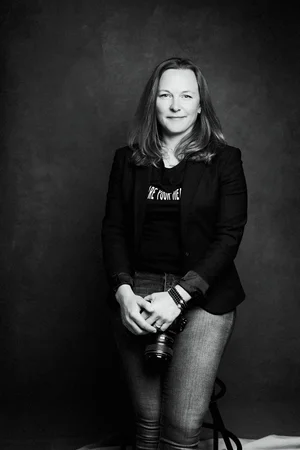
Using Digital Stories in Clinician Training
Digital storytelling in healthcare is more than a creative add-on. It is a practical way to bring patient and family voice into clinician education, medical conferences, and training programs. A digital story is a short film built with a trained facilitator, combining voiceover narration with personal photos and simple video editing to capture a meaningful moment. When you embed one strong story into a learning space, it can do what journal articles often cannot: create emotional clarity, deepen empathy, and prompt better questions. That protected pause for reflection helps clinicians notice their assumptions and enter future conversations with more humility and sensitivity, especially in pediatrics and complex care.
SickKids Neuropsychologist, Dr. Tricia Williams, describes how clinical work can easily become assessment-heavy, leaving little room for the research and innovation that families ask for. The NeuroOutcomes Lab began as a small community of clinicians and grows into a collaborative hub that connects researchers, trainees, students, and family partners. That structure matters for neurodevelopmental outcomes because children with congenital heart disease, acquired brain injury, and other neurological conditions often need long-term support that crosses silos. By grounding initiatives in lived experience, the lab treats caregiver insights as a form of data that shapes priorities, training, and intervention design, not as a “nice to have” story at the end.
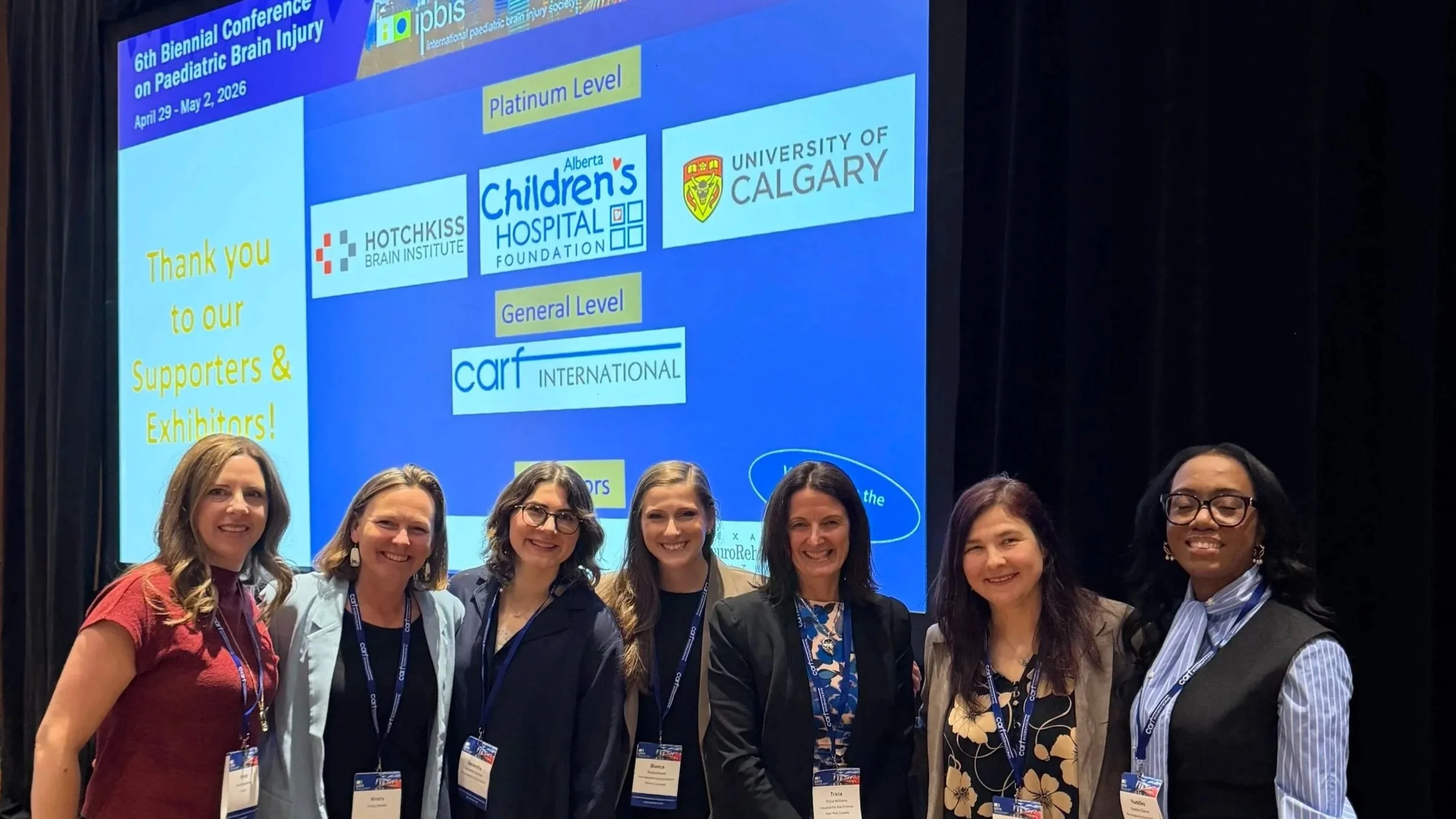
Presenters at the International Paediatric Brain Injury Society Conference
One of the clearest examples is using a single family digital story to anchor a professional conference panel. Instead of “bombarding” an audience with many vignettes, one poignant caregiver narrative sets the learning ground for the science that follows. From there, presenters can move into practice change, neurodevelopmental monitoring beyond formal testing, and cultural humility in care delivery. This is also knowledge translation done well: the story creates connection first, then the panel offers concrete pathways for action, from clinic processes to trainee education. When audiences engage early and reflect together, the story becomes a shared reference point that makes new interventions feel urgent, human, and achievable.
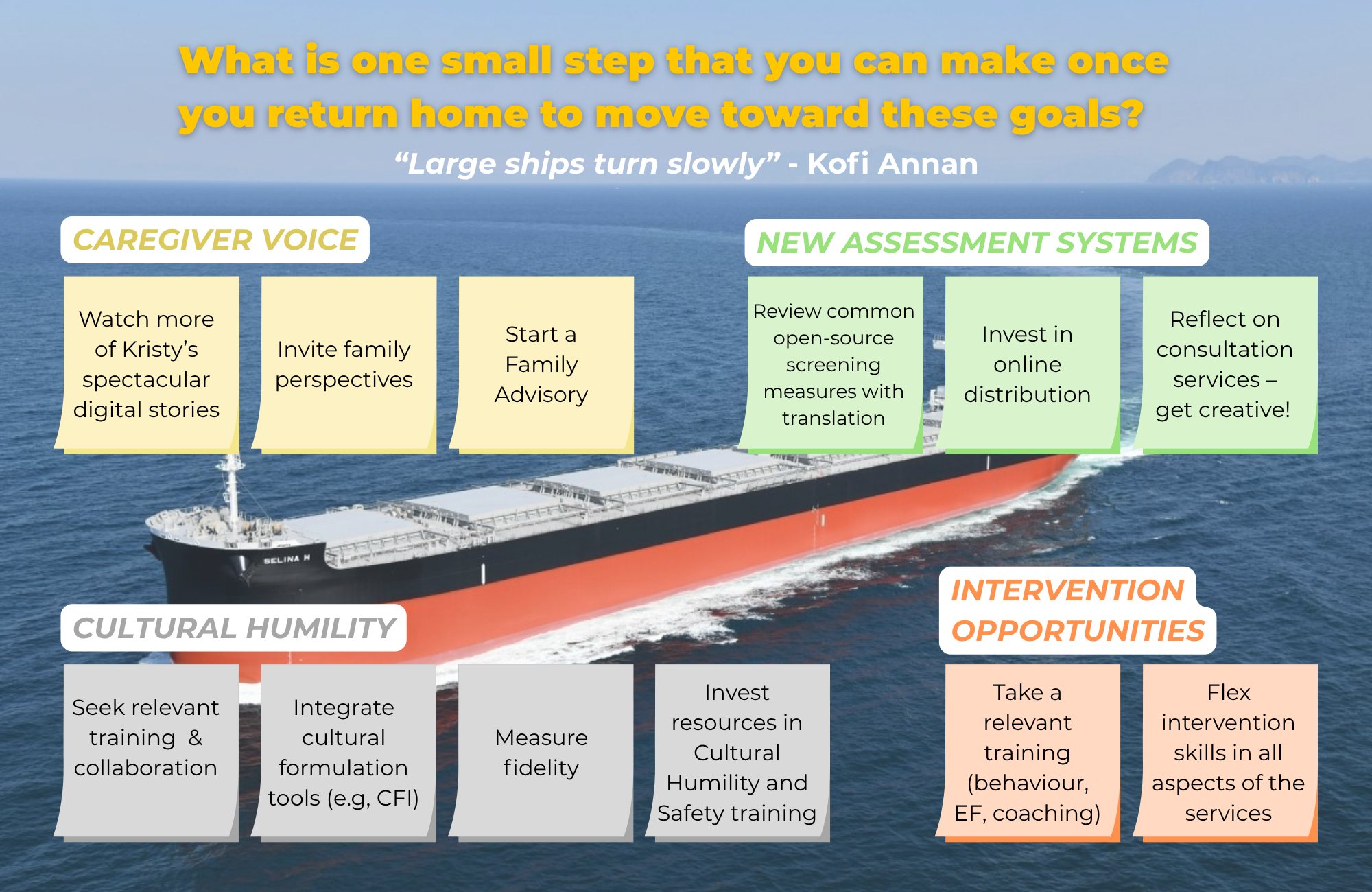
Takeaways from the session - From Precision to Practice: Advancing Pediatric Brain Injury Care
That urgency shows up in Interact-North, a virtual positive parenting program adapted for the Canadian context and designed to be transdiagnostic. Families often face barriers to “standard” community programs, including eligibility rules, lack of clinical sensitivity, or the mismatch between typical parenting advice and the realities of medically complex childhood. I-InTERACT-North aims to give practical coaching for ages three to nine, helping parents build skills and confidence in everyday moments, including play, connection, and behaviour support. Digital stories then reinforce training by moving beyond statistics to the real emotional load families carry. Story Slam add another layer by centriing audience well-being, encouraging small conversations, and protecting storytellers, while still building a professional community ready to advocate for sustainable funding and system-level change.
Episode 59 Key Messages
0:05 Stories Build Clinical Sensitivity
0:46 Meet Dr. Tricia Williams
1:58 The NeuroOutcomes Lab Origin
3:34 Finding Digital Storytelling at CNOC
7:15 How One Story Can Anchor a Conference Panel
12:18 Interact-North Parenting Support
16:08 Training Clinicians with Reflection Time
19:34 Story Slam and Audience Well-Being
24:31 Stories for Policy and Sustainable Funding
A big theme is strategic partnership building, not as networking for its own sake, but as a practical method for scaling story-based work with integrity. We hear how facilitator training keeps evolving, how a collective model creates shared standards, and why there is a difference between knowing what digital storytelling is and knowing how to do it well. That “how” includes process design, consent, emotional safety, and clear ethical underpinnings. It also includes knowledge translation, a key research keyword, because stories can carry evidence into real-world conversations where reports and slides often fail to land.
About Our Guest
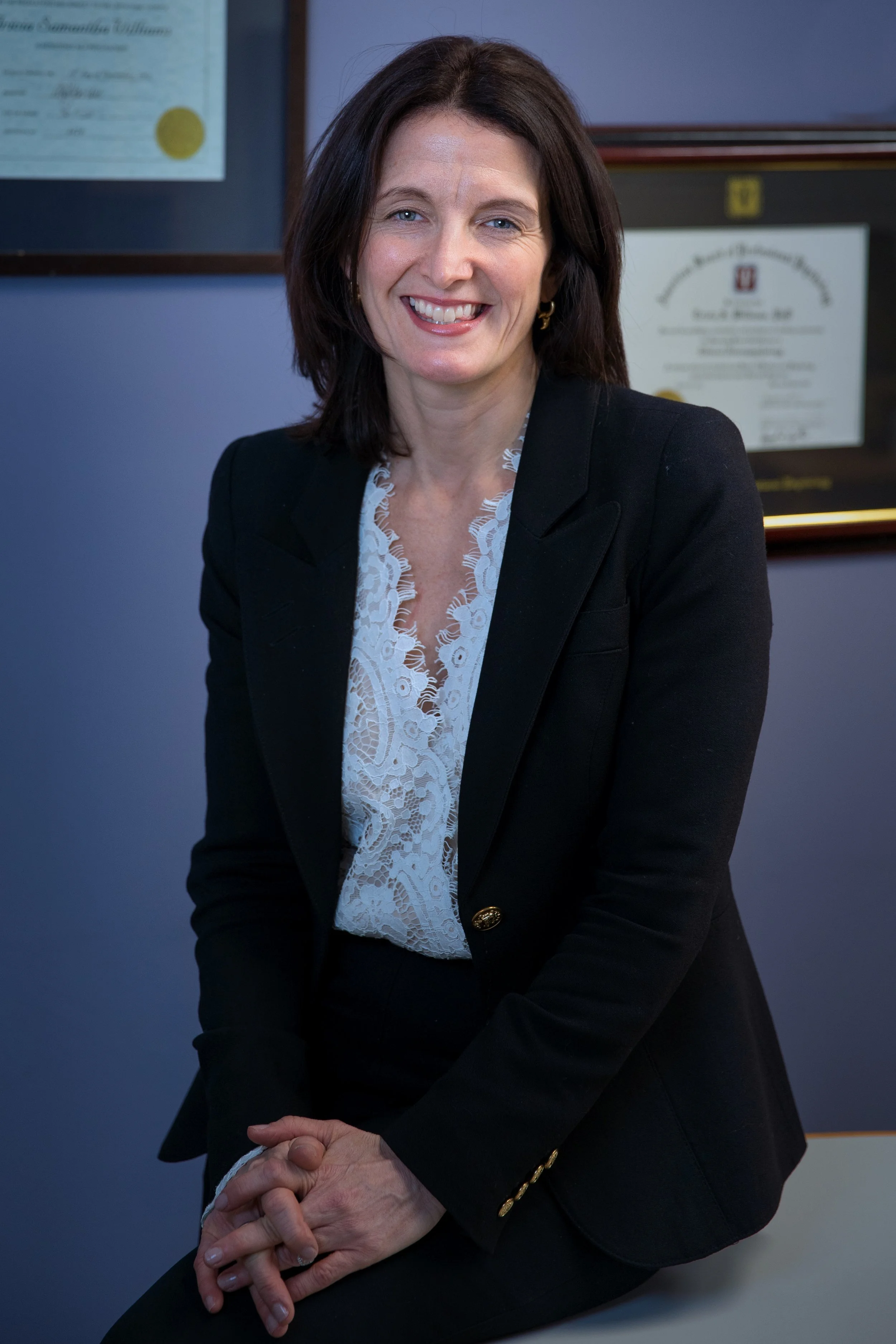
Dr. Tricia Williams received her PhD in Clinical Developmental Psychology at York University. She completed her Postdoctoral fellowships in health psychology at The Hospital for Sick Children (SickKids) and clinical neuropsychology at Alberta Children’s Hospital in Calgary. Dr. Williams is a board-certified Clinical Neuropsychologist and Paediatric Subspecialist through the American Board of Professional Psychology (ABPP). Currently, Dr. Williams is a Clinical Neuropsychologist and Health Clinician-Scientist at SickKids in the Division of Neurology. In her clinical role, she leads the Neonatal Neuropsychological services for assessment and consultation for children and families following neonatal brain injury and associated medical conditions. Dr. Williams also provides families ongoing consultation.
As a Health Clinician-Scientist, co-director of the NeuroOutcomes lab, and co-chair of the NeuroOutcomes Family Advisory Committee, Williams’ research focuses on neuropsychological outcomes following early brain injury and the importance of supporting the family in optimizing resilience. She is the principal investigator of the Interact-North project and the Parent Experiences project. Together with a multi-disciplinary team, a strong group of students and research staff, Dr. Williams’ research program aims to learn more about modifiable factors promoting resilience following early brain injury, and to identify modes of service delivery that will optimize neuropsychological outcomes.
About Co-Created
Co-Created is a podcast that takes you behind the scenes of digital storytelling. On each episode, host Kristy Wolfe dives into conversations with the storytellers and facilitators who bring digital stories to life.
If this particular conversation resonated with you, tell a friend or a colleague about Co-Created or share one of the digital stories we were talking about. You can find the stories here.
Co-Created is presented by Common Language DST, digital storytelling facilitation training for health and wellness changemakers and is supported by the team at Snack Labs.