Digital Stories Belong in Curriculum & Communities
Digital storytelling is having a quiet breakthrough in health and wellness, and this conversation shows what it looks like when the work finally meets the moment. Dr. Mike Lang shares how he went from having to justify why stories matter in healthcare to embedding digital stories directly into a University of Calgary nursing curriculum. In nursing education, narrative learning is not fluff, it is clinical preparation. First-person storytelling helps students grasp identity, ethics, and the human stakes behind care decisions. When digital storytelling is treated as a core learning tool, it strengthens empathy, reflection, communication, and patient-centred practice in ways a lecture rarely can.
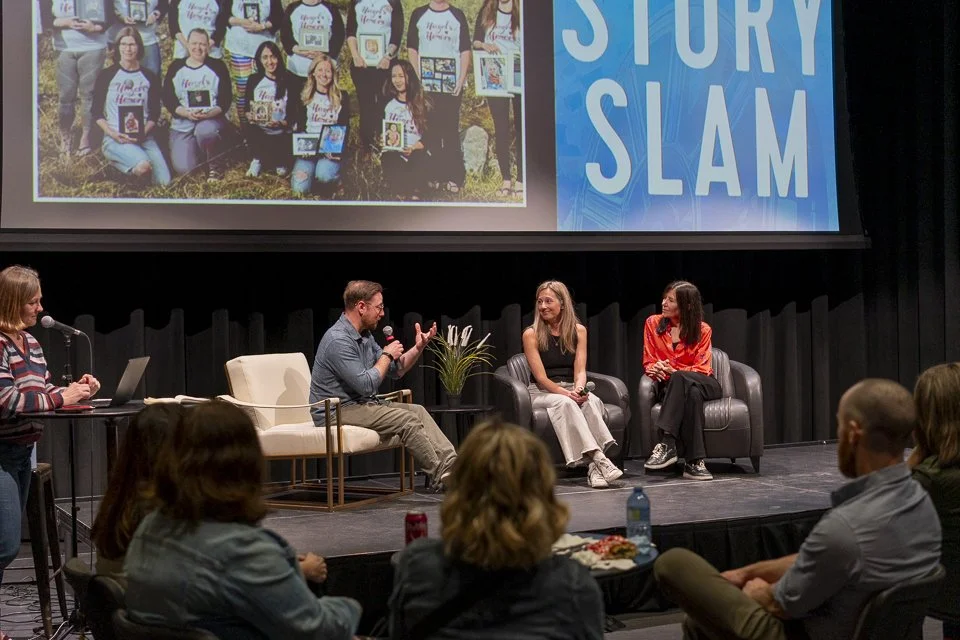
Click here to watch the 2026 Story Slam
A big theme is strategic partnership building, not as networking for its own sake, but as a practical method for scaling story-based work with integrity. We hear how facilitator training keeps evolving, how a collective model creates shared standards, and why there is a difference between knowing what digital storytelling is and knowing how to do it well. That “how” includes process design, consent, emotional safety, and clear ethical underpinnings. It also includes knowledge translation, a key research keyword, because stories can carry evidence into real-world conversations where reports and slides often fail to land.
Episode 58 Key Messages
1:10 Becoming a Nursing Professor
3:26 Strategic Partnerships & Grad School
5:56 Uganda Stories with Real Impact
10:12 Story Slam & Difficult Conversations
13:29 How the Story Slam Runs
16:07 Retreat Culture & Momentum
18:54 Training Growth & Research Pivot
23:55 Nurse Stories & Healing Lens Research Lab
The Africa DST Training Hub work is a particularly powerful example of community-led global health storytelling with measurable impact. Over nine years, teams used digital stories to support maternal health, child health, and adolescent health in southwestern Uganda, alongside practical resources like a decision aid, guidebook, operational manual, and documentary. The standout lesson is sustainability: local producers and program leaders are doing the work without outside handholding. That shift matters in global health practice because it resists extractive research patterns and centers people who live the reality. Digital stories become more than awareness pieces, they become tools that ministries, programs, and communities can actually use.
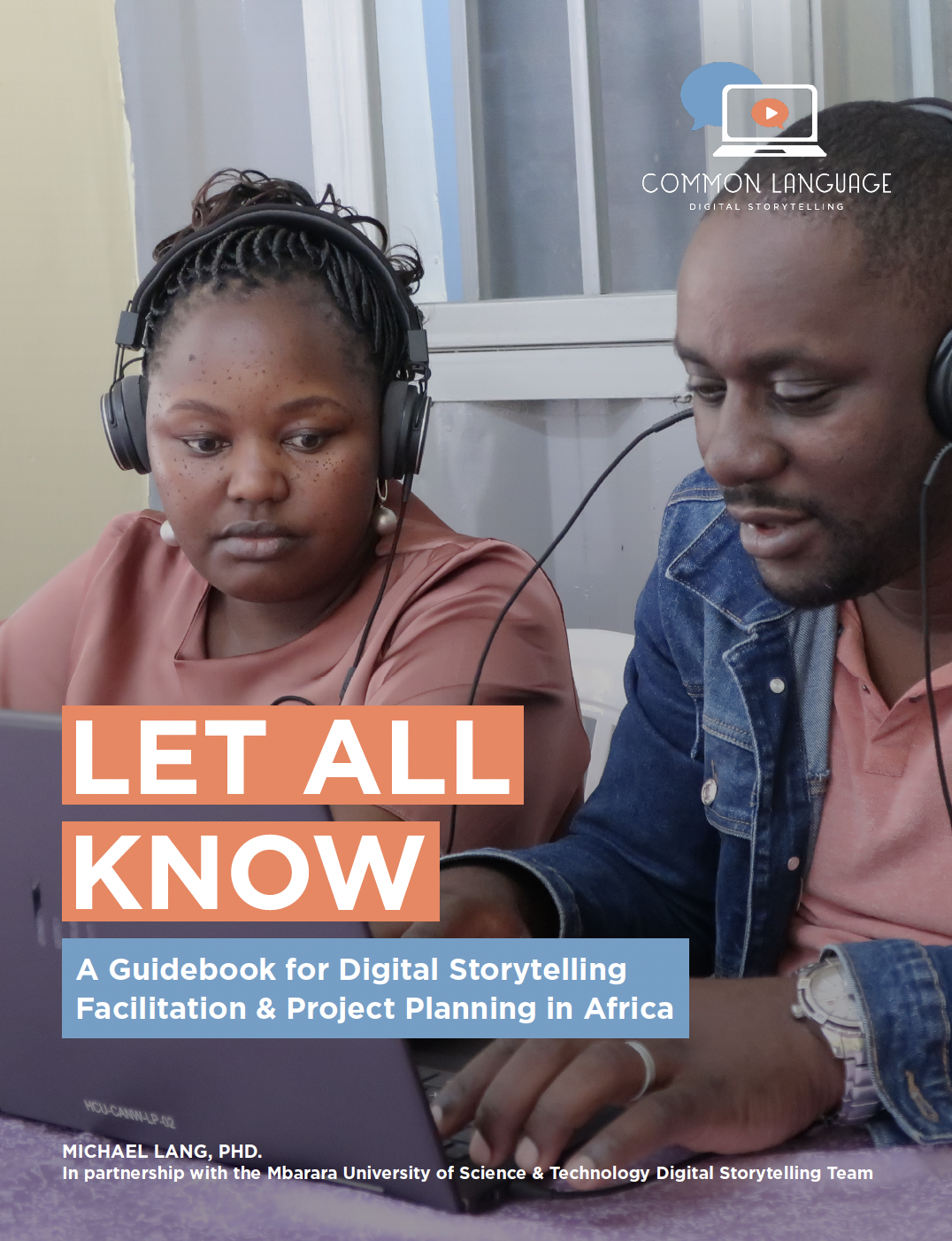
In partnership with partnership with the Mbarara University of Science and Technology Maternal, Newborn, and Child Health Institute in SW Uganda and the University of Calgary Department of Indigenous, Local, & Global Health
Back in Canada, the Common Language Story Slam demonstrates what happens when storytelling becomes a public practice, not a private artifact. With dozens of submissions, packed attendance, and emotional stories about military service, ALS, long-term care, and the loss of loved one, the event becomes a civic space for difficult conversations. This is where narrative medicine becomes visible: grief literacy grows, listeners learn how to show up, and storytellers are met with dignity instead of silence. The episode also looks ahead to new initiatives like Nurse Story and the Healing Lens Research Lab, including research on therapeutic digital storytelling conversations with families affected by sudden infant death syndrome (SIDS). The throughline is clear: when lived experience leads, stories do not just move people, they move systems.
About Our Guest
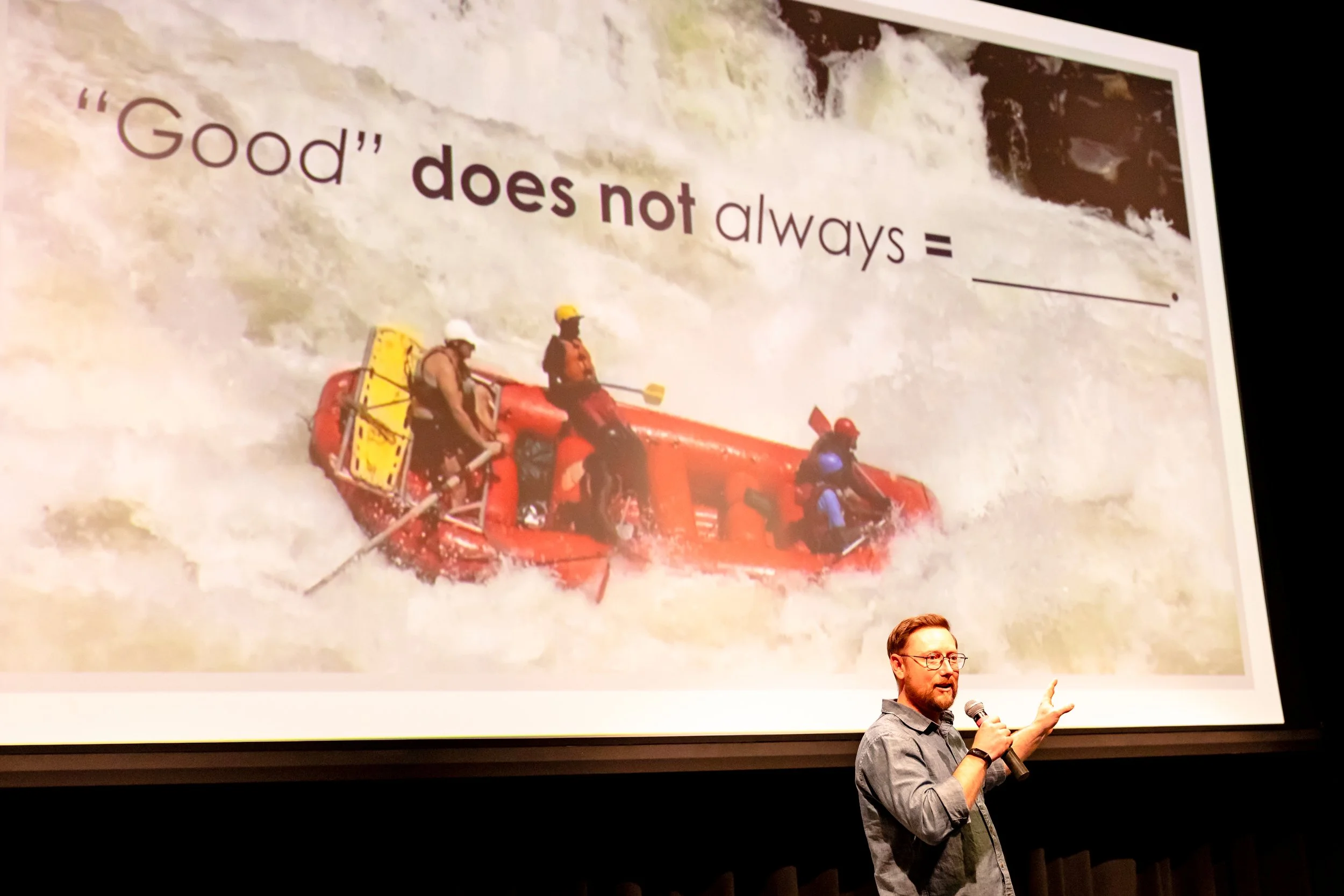
Dr. Michael Lang is an Assistant Professor (Teaching and Research) in the Faculty of Nursing at the University of Calgary and Director of the Healing Lens Research Lab, a transdisciplinary research and creative practice lab dedicated to advancing documentary film and digital storytelling as rigorous, ethical, and impactful methodologies in health and wellness contexts. Situated within the Faculty of Nursing, the Lab brings together health researchers, clinicians, filmmakers, digital storytelling facilitators, educators, and community partners to explore how stories, when created and mobilized with care, can shape education, influence practice, and support individual and collective wellbeing. Dr. Lang’s work sits at the intersection of health research, documentary filmmaking, and knowledge translation, with a particular focus on how narrative and visual practices can deepen understanding of illness, caregiving, patient experience, and human flourishing. Over the past fifteen years, he has facilitated the creation of more than 1,000 digital stories with patients, family caregivers, healthcare providers, students, and community members, and has trained over 100 facilitators through Common Language Digital Storytelling, an international organization he founded to support ethical storytelling practice in healthcare, education, and community settings.
About Co-Created
Co-Created is a podcast that takes you behind the scenes of digital storytelling. On each episode, host Kristy Wolfe dives into conversations with the storytellers and facilitators who bring digital stories to life.
If this particular conversation resonated with you, tell a friend or a colleague about Co-Created or share one of the digital stories we were talking about. You can find the stories here.
Co-Created is presented by Common Language DST, digital storytelling facilitation training for health and wellness changemakers and is supported by the team at Snack Labs.