What Changes When We Treat Stories Like Data
Digital storytelling is a short, carefully made film that combines voiceover narration, personal images, and simple video editing to capture a meaningful moment in someone’s life. In healthcare communication, that format does something rare: it creates emotional clarity fast. A story that lasts only a few minutes can move a room from polite listening to honest conversation, because it lowers defenses and makes vulnerability feel possible. For clinicians, patients, and families, these short films can become a powerful tool for patient experience, physician wellness, and health education, especially when traditional presentations feel too abstract or too slow to reach what matters.
A key theme is how digital stories help us see “real people living real lives” behind diagnoses, roles, and professional armour. Physician burnout, perceived failure, and the hidden weight of shame often sit under the surface in medicine, shaping behavior and discouraging openness. Story-driven learning can pull down that curtain without forcing someone to perform live on stage. When a digital story is shown at a medical conference or training session, the multimedia format competes well with modern distractions and short attention spans, while still treating the subject with care. The result is often deeper dialogue about mental health, wellness, and the human cost of healthcare work.
Watch the panel “Reclaiming Voice in Medicine: Digital Storytelling as a Catalyst for Connection and Culture Change” that was presented at the Canadian Medical Association's Canadian Conference on Physician Wellness.
The conversation also highlights a clinical truth: medicine is built on stories, but time pressure compresses them into fragments. As some clinicians shift from acute care to longer consults in mental health and developmental pediatrics, “deep listening” becomes central, and the physician acts like an interpreter who helps a family make meaning from years of experience. Digital storytelling supports that same goal by giving families a coherent narrative that can travel between providers. For complex pediatric care and transitions to adult care, a three-minute video can convey context a chart cannot: daily life, strengths, relationships, and what the child cares about beyond symptoms.
Ethics and agency matter. Digital stories should not become content that institutions own; they belong to the storyteller. Informed consent, clear expectations for use, and protection of underrepresented voices are essential, especially when stories are used for healthcare training, conference presentations, or advocacy campaigns. Co-creation with a trained facilitator can support safety and reflection, while workshop-based “story circles” add community benefits: participants shape their narratives together, learn from shared frames, and often experience the process as therapeutic even before the final video exists.
Episode 57 Key Messages
1:20 Katharine & Podcasting
4:58 Stories at a Physician Wellness Conference
10:48 Why Short Stories Shift Rooms
13:58 Shame & Vulnerability In Medicine
16:00 From ER Medicine to Deep Listening
20:33 Using Stories for Care Transitions
23:46 Consent & Underrepresented Voices
Finally, the episode explores digital storytelling as public advocacy and health system reform. Statistics can inform, but people respond viscerally to narrative, imagery, and day-to-day detail. A citizen-led digital story campaign could document wait times, pain, access barriers, and downstream harm in a way that drives healthcare accountability and engages policymakers who respond to voter pressure. The takeaway is both practical and hopeful: when we treat stories as a legitimate form of evidence and pair them with responsible consent and skilled facilitation, digital storytelling can improve healthcare conversations, strengthen connection, and help move change that policy talk alone struggles to deliver.
About Our Guest

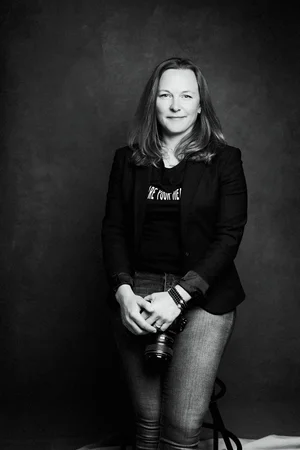
Dr. Katharine Smart is a pediatrician, national medical leader, and unapologetic advocate for children who believes healthcare systems don’t change unless we’re willing to challenge them. Based in Canada’s north and the Okanagan, she works at the intersection of clinical care, policy, and community partnership to improve outcomes for children and families in rural and remote regions.
She is the past president of the Canadian Medical Association and, in 2021, became only the 10th woman to lead the organization in its 155-year history. Named one of Canada’s 100 Most Powerful Women, Dr. Smart is widely recognized for her leadership on health equity, primary care, and combating medical misinformation.
A sought-after keynote speaker, media commentator, and podcast host, Dr. Smart brings evidence, urgency, and candour to conversations about the future of healthcare — and why getting it right for children is the only way forward.
About Co-Created
Co-Created is a podcast that takes you behind the scenes of digital storytelling. On each episode, host Kristy Wolfe dives into conversations with the storytellers and facilitators who bring digital stories to life.
If this particular conversation resonated with you, tell a friend or a colleague about Co-Created or share one of the digital stories we were talking about. You can find the stories here.
Co-Created is presented by Common Language DST, digital storytelling facilitation training for health and wellness changemakers and is supported by the team at Snack Labs.