DST Facilitator Training Hub
Africa
Community Members telling Community Stories
to Improve Health and Wellness in Africa
Common Language DST has formed a strong multi-year (6.5yr) partnership with the Mbarara University of Science and Technology Maternal, Newborn, and Child Health Institute in SW Uganda and the University of Calgary Department of Indigenous, Local, & Global Health. The unique model of DST facilitation developed through this partnership for use in the African context involves a team-based approach with each facilitator specializing in a specific phase of the DST process. It also is designed with a high level of technical support and a robust ethical framework to support storytellers from low-resource contexts. The CLDST Training Hub Africa team has received 8 in-person trainings from Common Language and also has directly trained and supported DST Facilitators from Rwanda, Kenya, Tanzania, and Malawi. Together, the Facilitators at the Africa Training Hub, and the DST facilitators they have trained, are having a large impact on the health and wellness of many communities in Africa.
A Shared Dream
Digital Storytelling to Support Gender Equality in East Africa
Beginning in 2017, Common Language Digital Storytelling has created a strong partnership with Mbarara University of Science and Technology in Southwestern Uganda and the University of Calgary Department of Indigenous, Local, & Global Health in the Cumming School of Medicine. Working together they have developed a unique model of Digital Storytelling (DST) facilitation for use in the East African context which involves a team-based approach with each facilitator specializing in a specific phase of the DST process (Finding, Telling, Crafting, Sharing). This documentary is meant to highlight this unique DST Facilitation model as well as demonstrate how Digital Stories can stimulate compelling conversations about global health topics and in doing so, help encourage the women and girls of East Africa to pursue their dreams.
DST Facilitation Guidebook & DST Workshop Operational Manual
The materials below were developed with the support of the Canadian Partnership for Women and Children’s Health (CanWaCH). They are the result of extensive piloting of both DST Facilitator Trainings and DST Workshops in Africa over the course of 7 years. By clicking on each image you can learn more about each specific resource. They are all freely available for download and links to supplementary materials (teaching films, slide decks, etc.) are provided within each resource. However, these materials are meant to be supplementary to either a DST Facilitator Training or DST Workshop with the team at Mbarara University of Science & Technology or Common Language Digital Storytelling. Simply reading these materials DOES NOT fully prepare you to teach DST Facilitation or successfully run a DST Workshop in Africa. For this reason, as part of the Digital Download process we will be collecting your contact information and will follow up directly to understand the context, purpose, and goals for the use of these materials. To download, you must click “Add to Cart” and then click on the shopping cart icon in the bottom right corner of the screen.
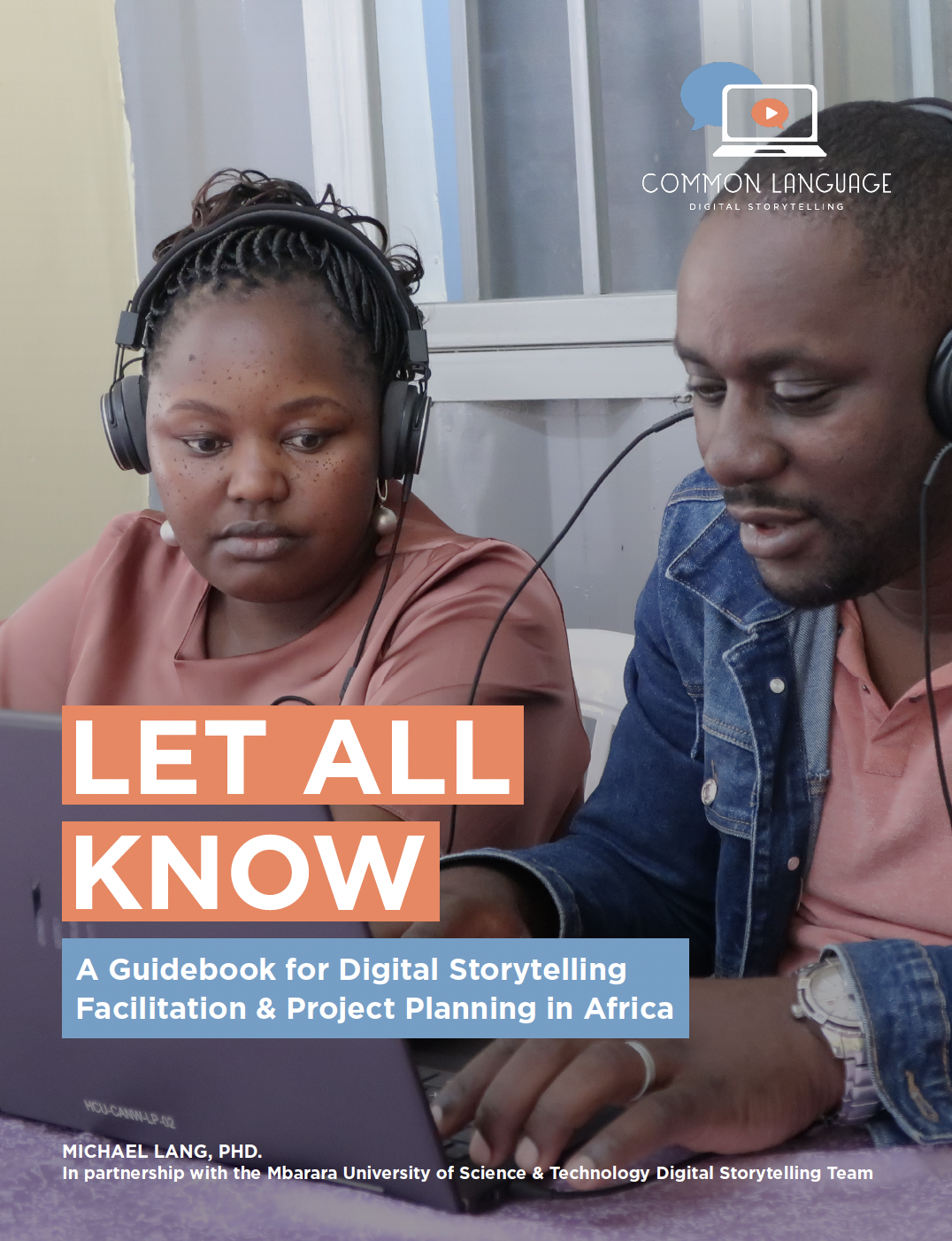
This Guide has been designed to support DST Facilitators as they plan, recruit, create, and disseminate DS. The guide is divided into five parts which follow the individual pages of the Decision Aid:
PART 1: Introduction to Digital Storytelling
PART 2: Project Planning: Page 1
PART 3: Storyteller Recruitment: Page 2 & 5
PART 4: Overview of Digital Story Creation using the Four Phases: Page 3
PART 5: Dissemination of Digital Stories: Page 4
Importantly, this Guide is meant to explore all the important aspects of a successful DST Project, and does not focus on the specifics of how to create DS. There is no separate section around Ethical DST Practice as it is important to embed ethical considerations into every aspect of DST Facilitation. Therefore, we have embedded “Ethics Moments” at all contextually relevant places throughout the Guidebook.
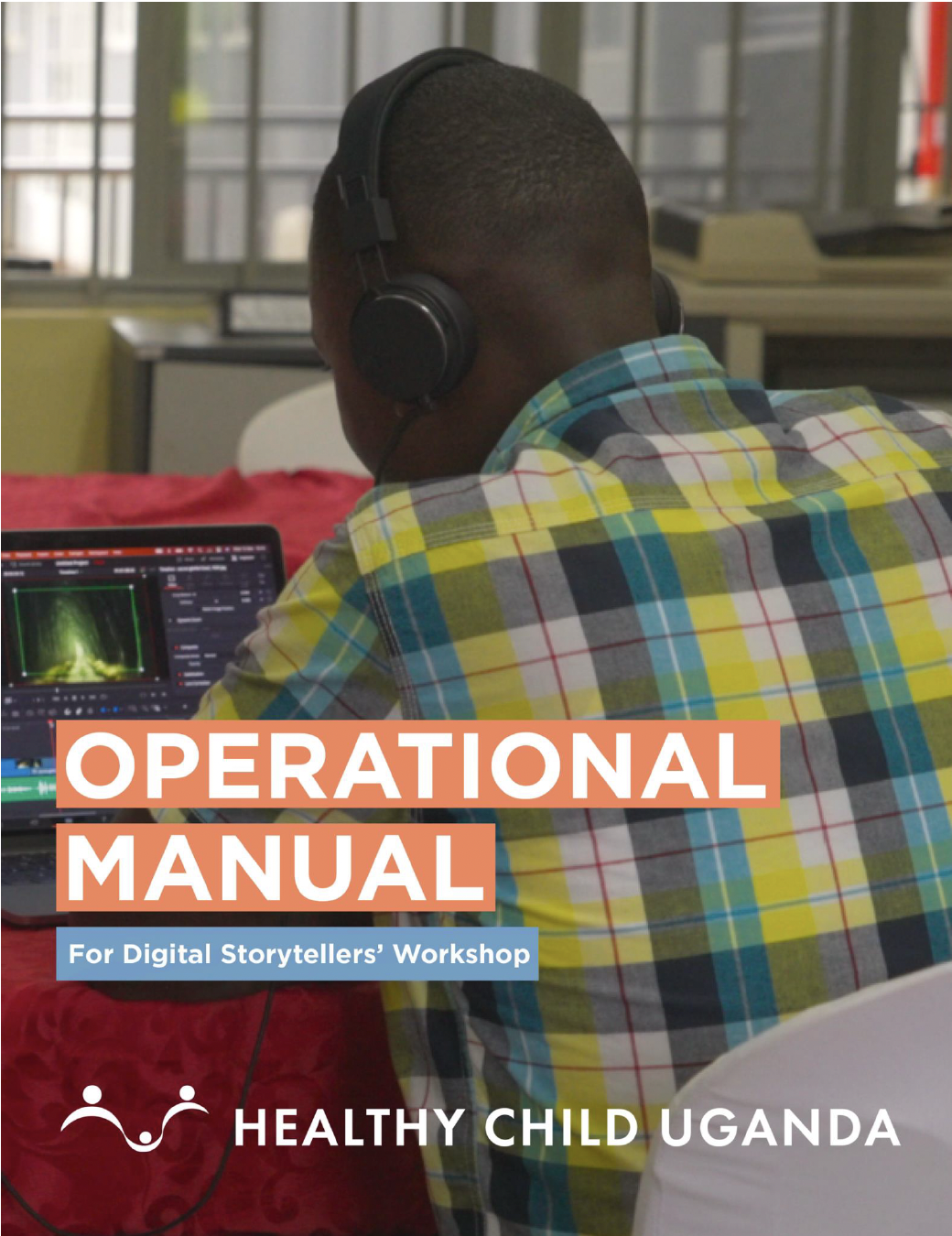
This manual builds on seven years’ experience of using Digital Storytelling methodology to implement different community health promotion initiatives. We are grateful for the vision and contributions from so many people who made this Operational Manual for Digital Storytellers’ Workshops possible. A core curriculum development team was complemented by Mbarara University of Science and Technology (MUST) DST facilitators whose combined input resulted in this product.
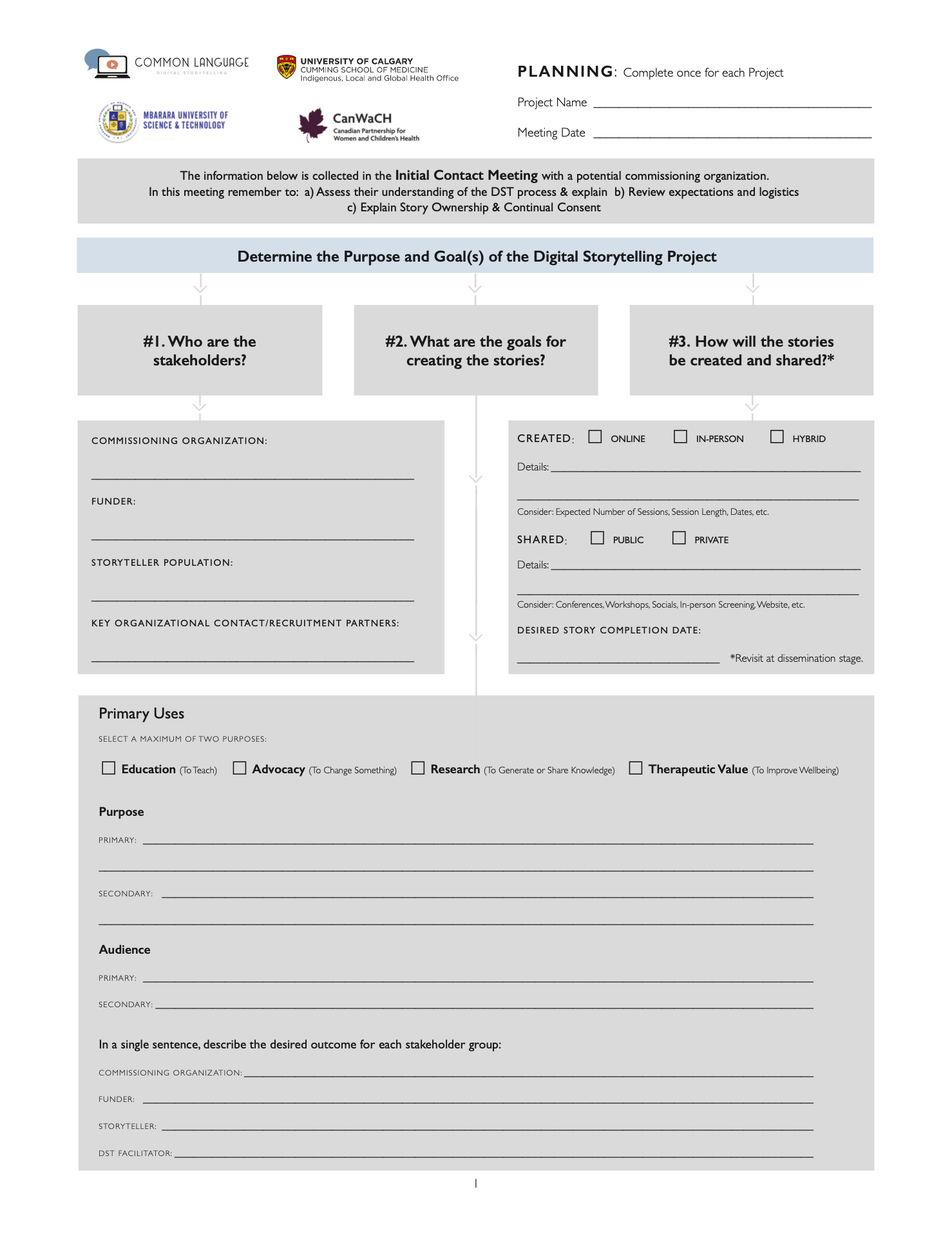
After four years of DST facilitation inUganda, a CanWaCH-funded review was conducted to capture key learnings for other East African facilitators. This review highlighted the need for a standardized tool to guide DST projects from start to finish. Such a tool would support ethical planning, clear recruitment, and provide an audit trail for project decisions and story development. Created through analysis of 90 digital stories, interviews with 10 storytellers, and input from the full facilitator team, this tool—called the Decision Aid—is the central organizing element of this Guidebook and the DST Facilitator Training.
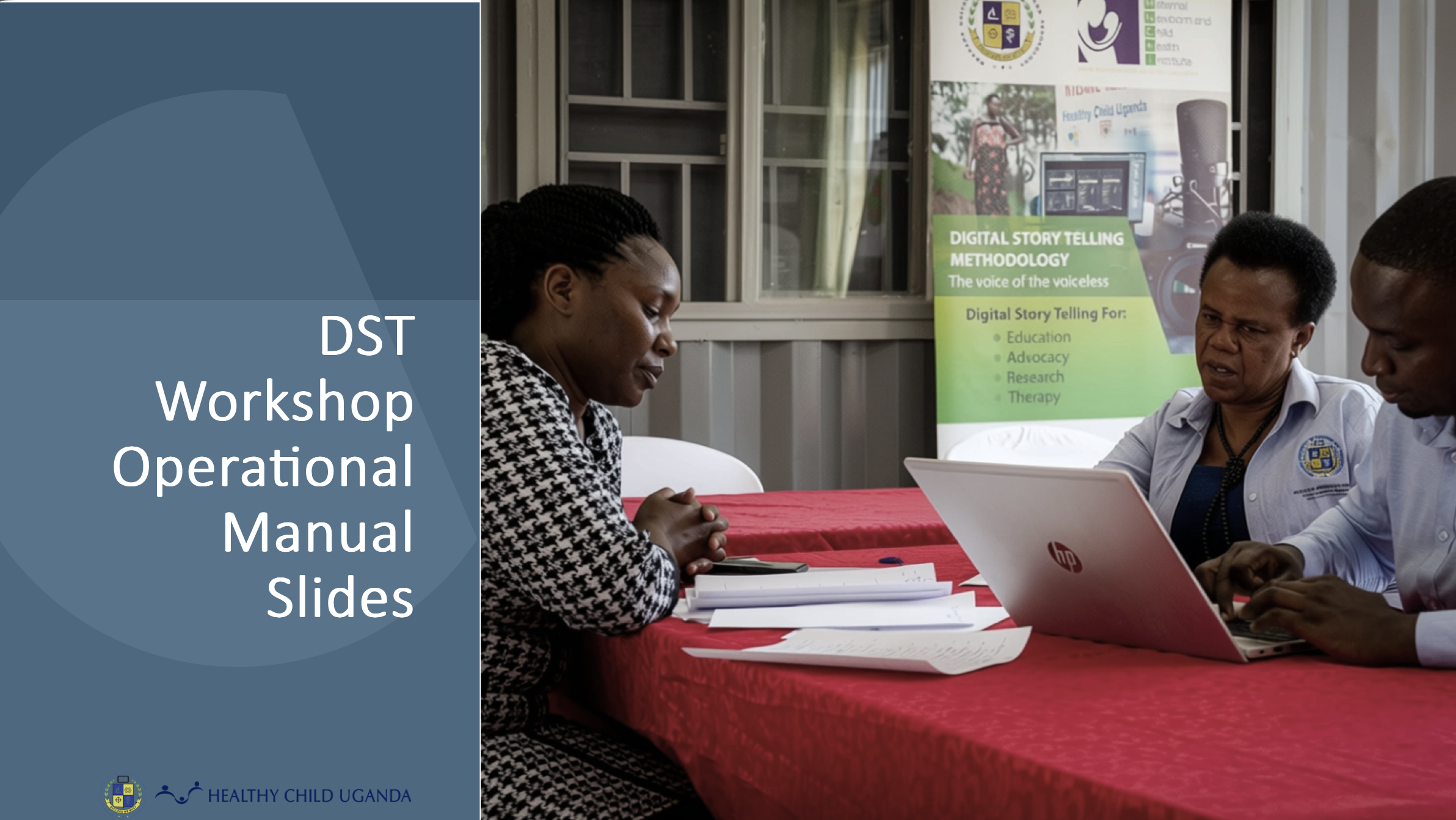
This slide deck is meant to be used in conjunction with the Digital Storytelling Operational Manual. It is a modifiable PowerPoint file that can be adapted to your context.
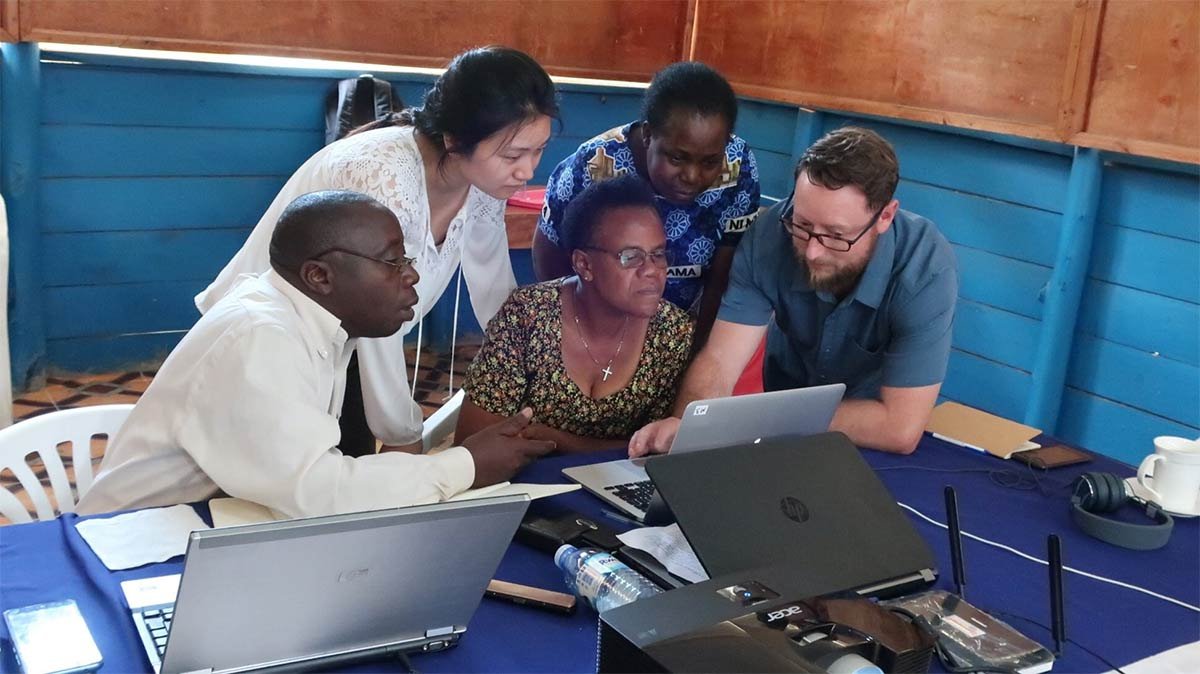
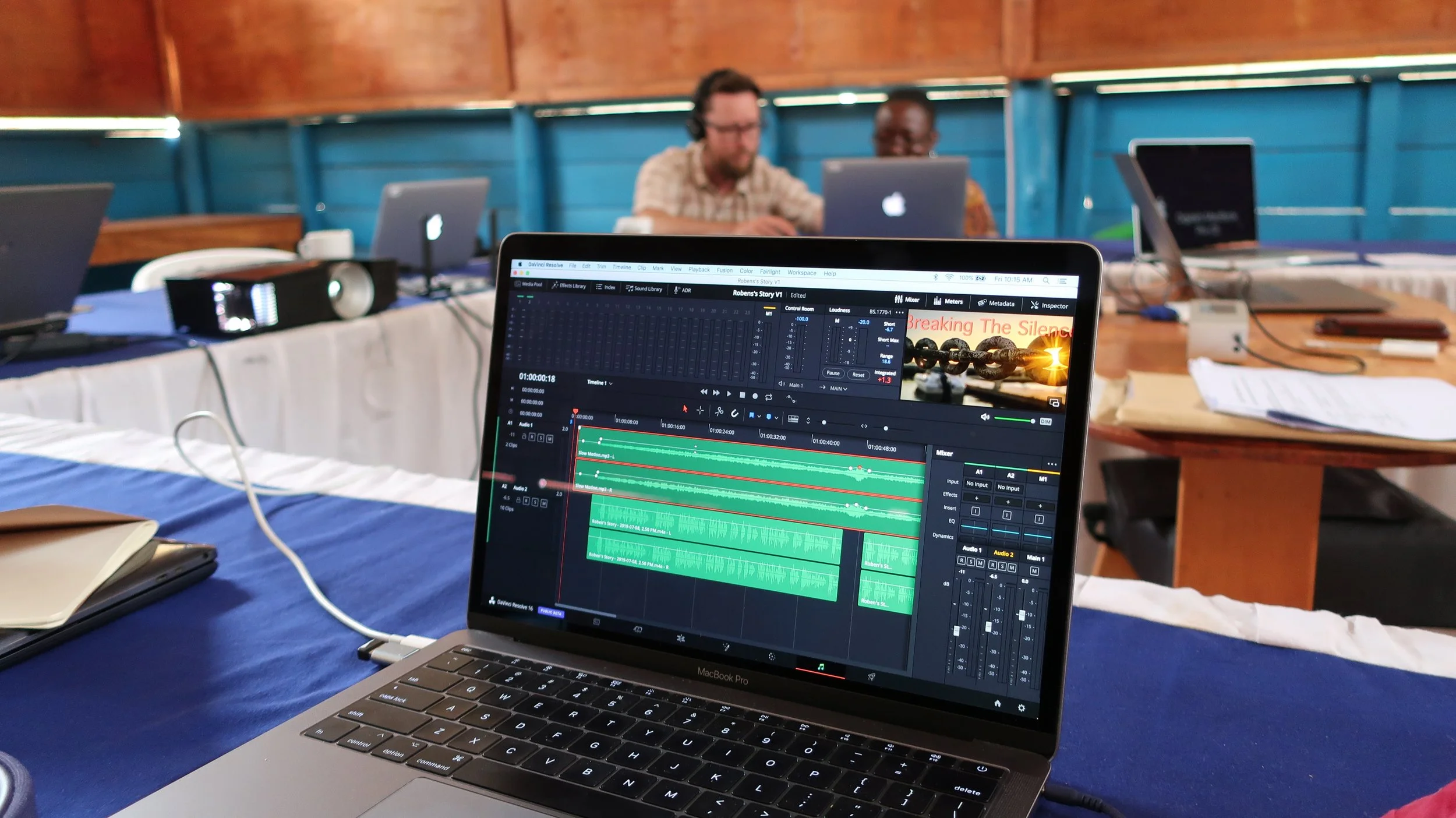
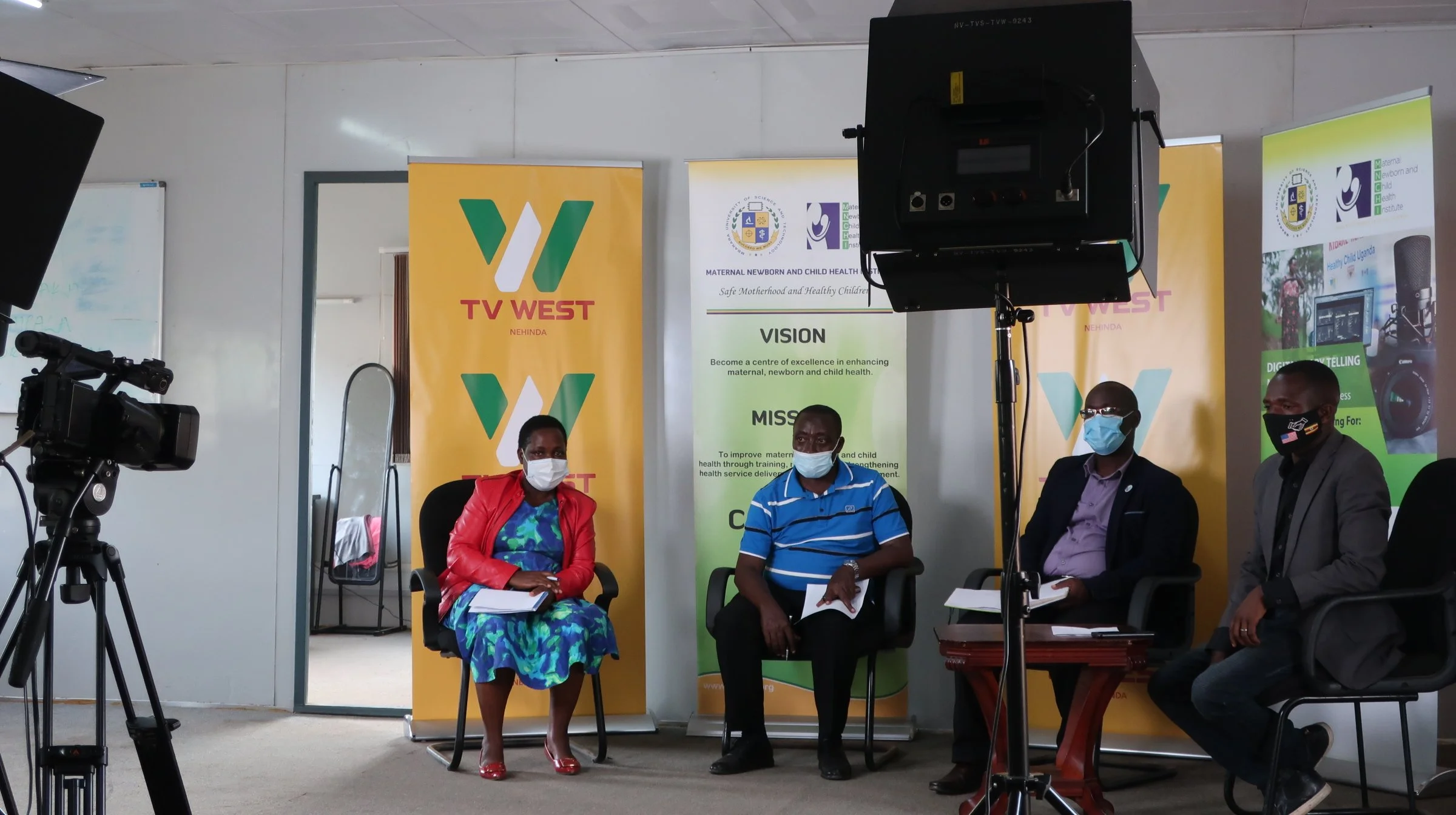
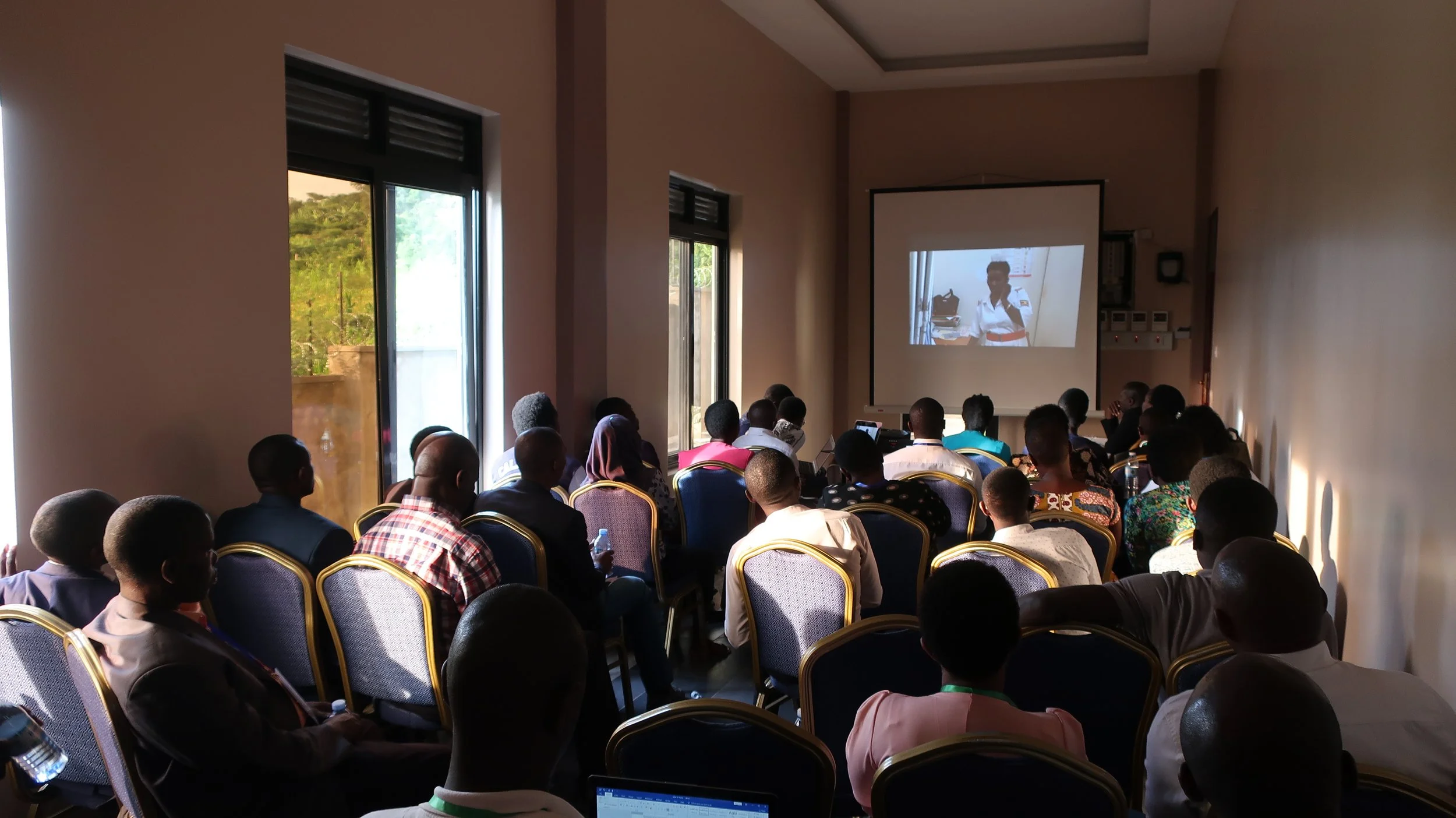
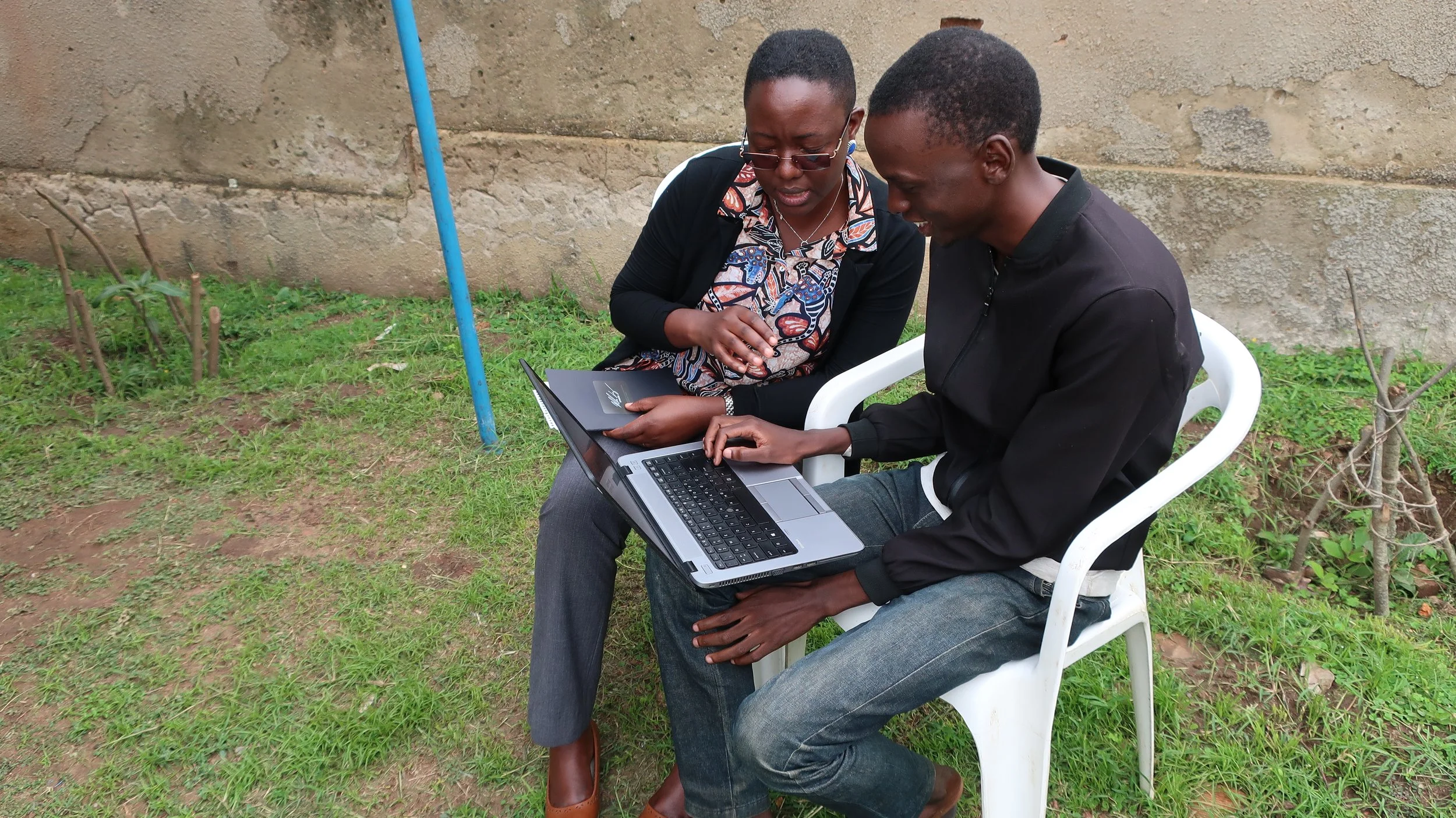
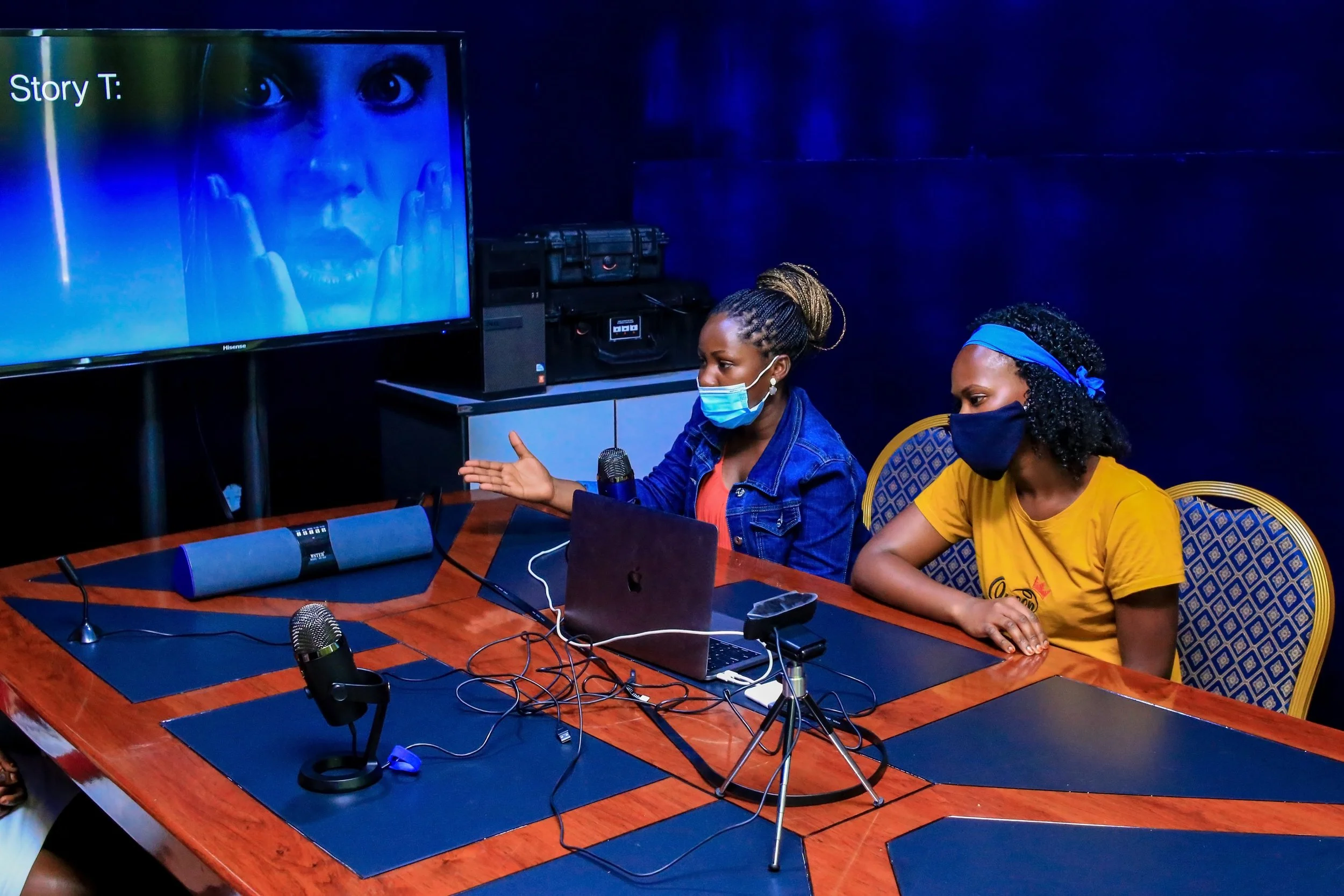
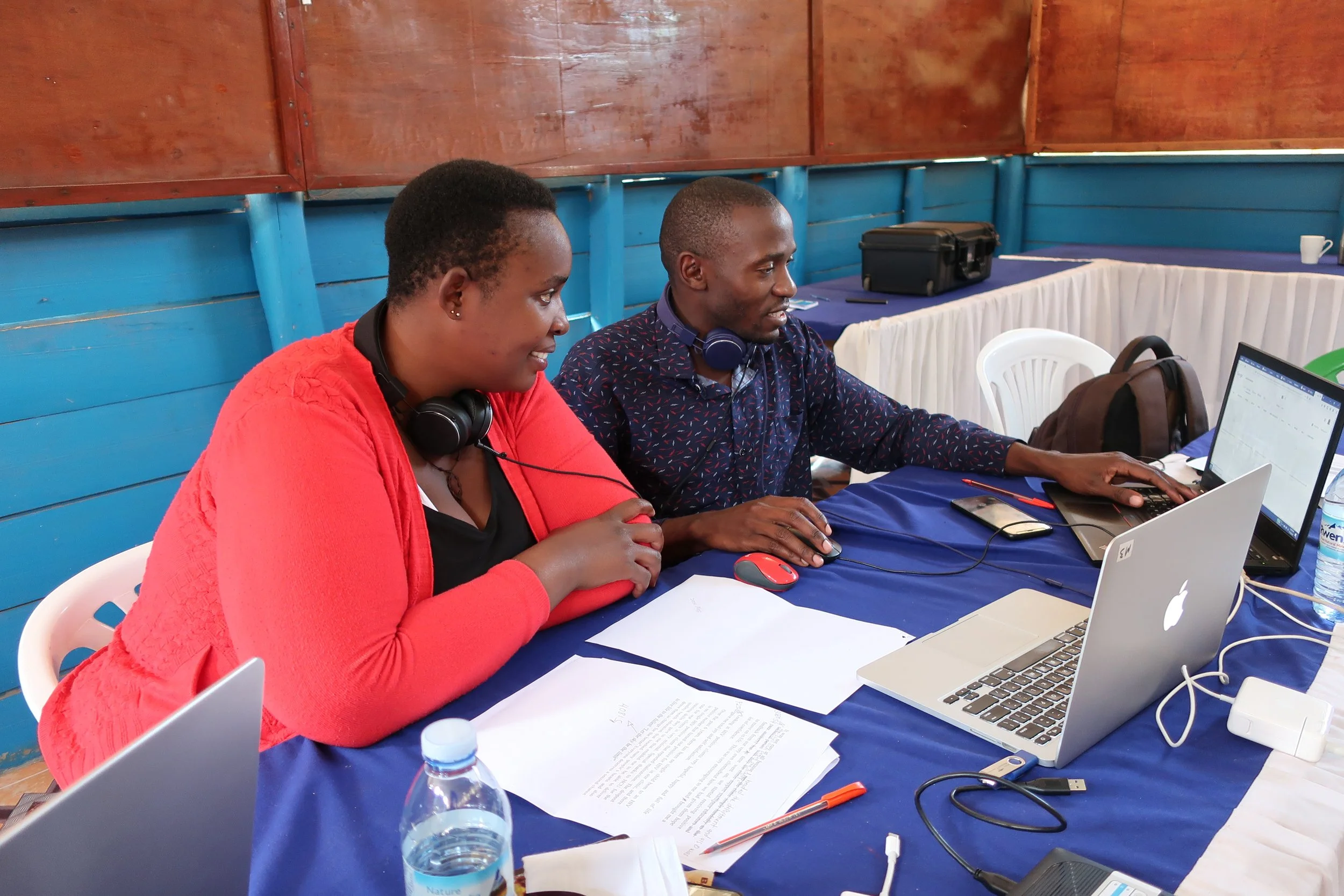
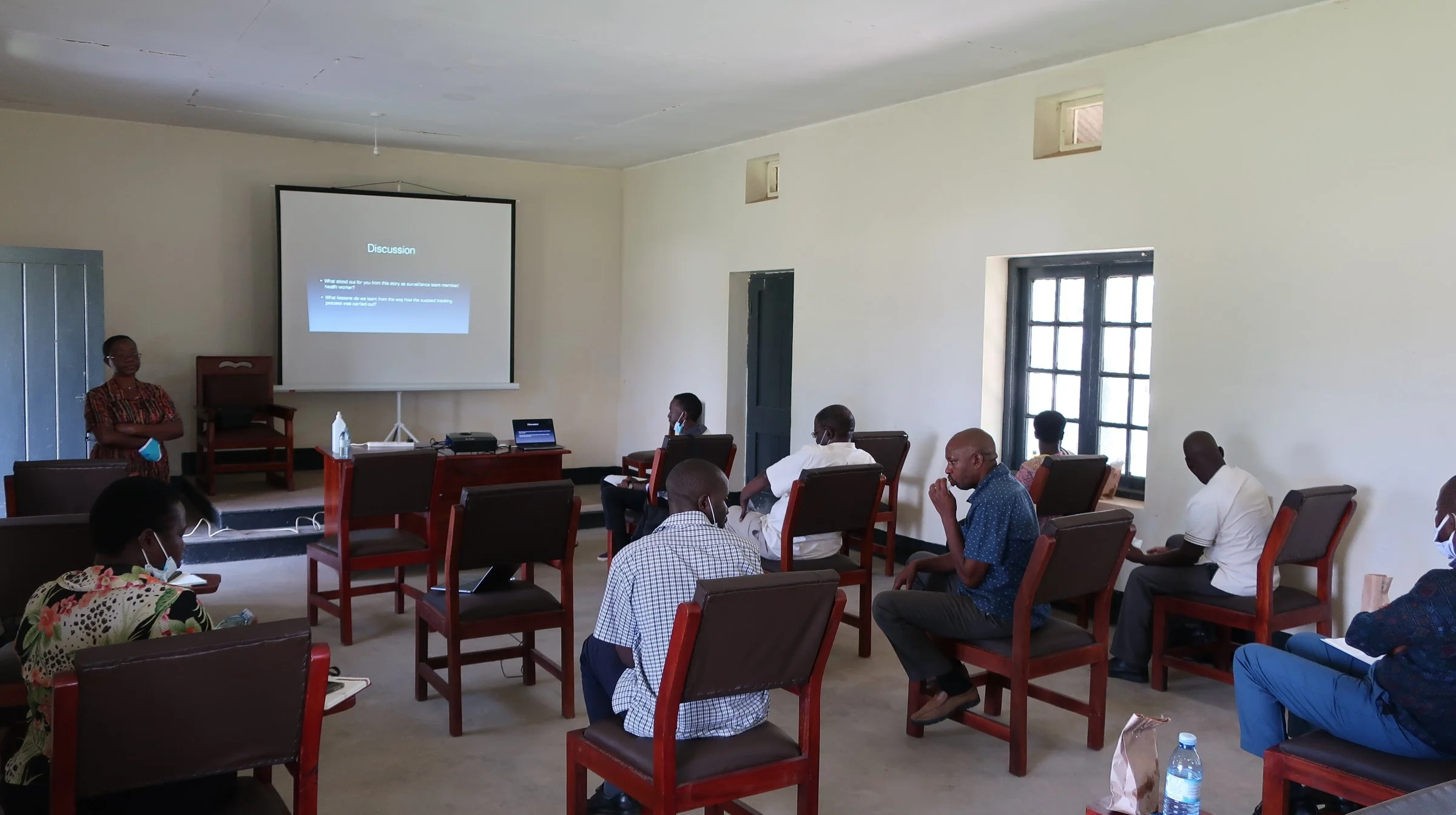
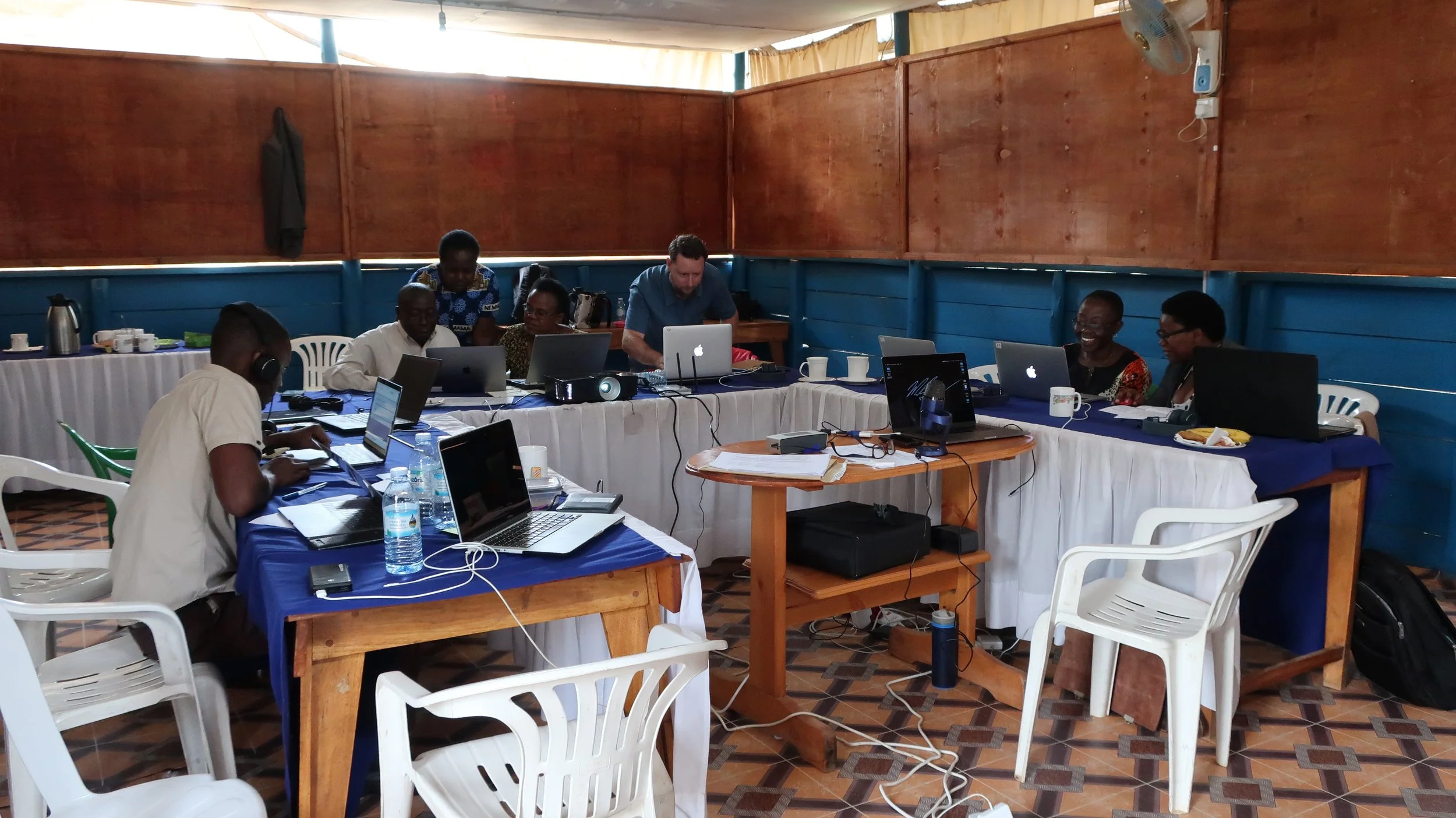
Images of DST Work at the East Africa Hub




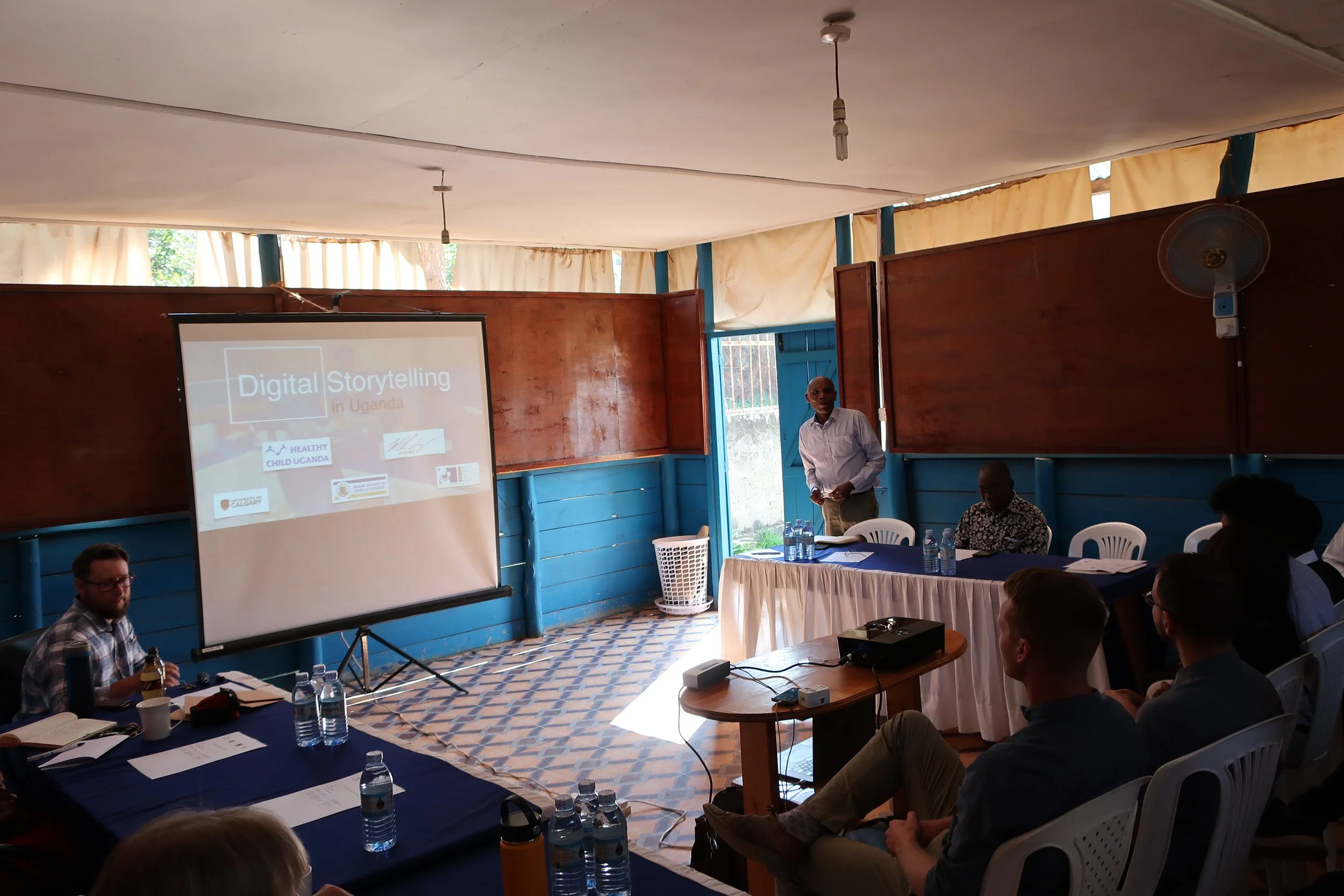
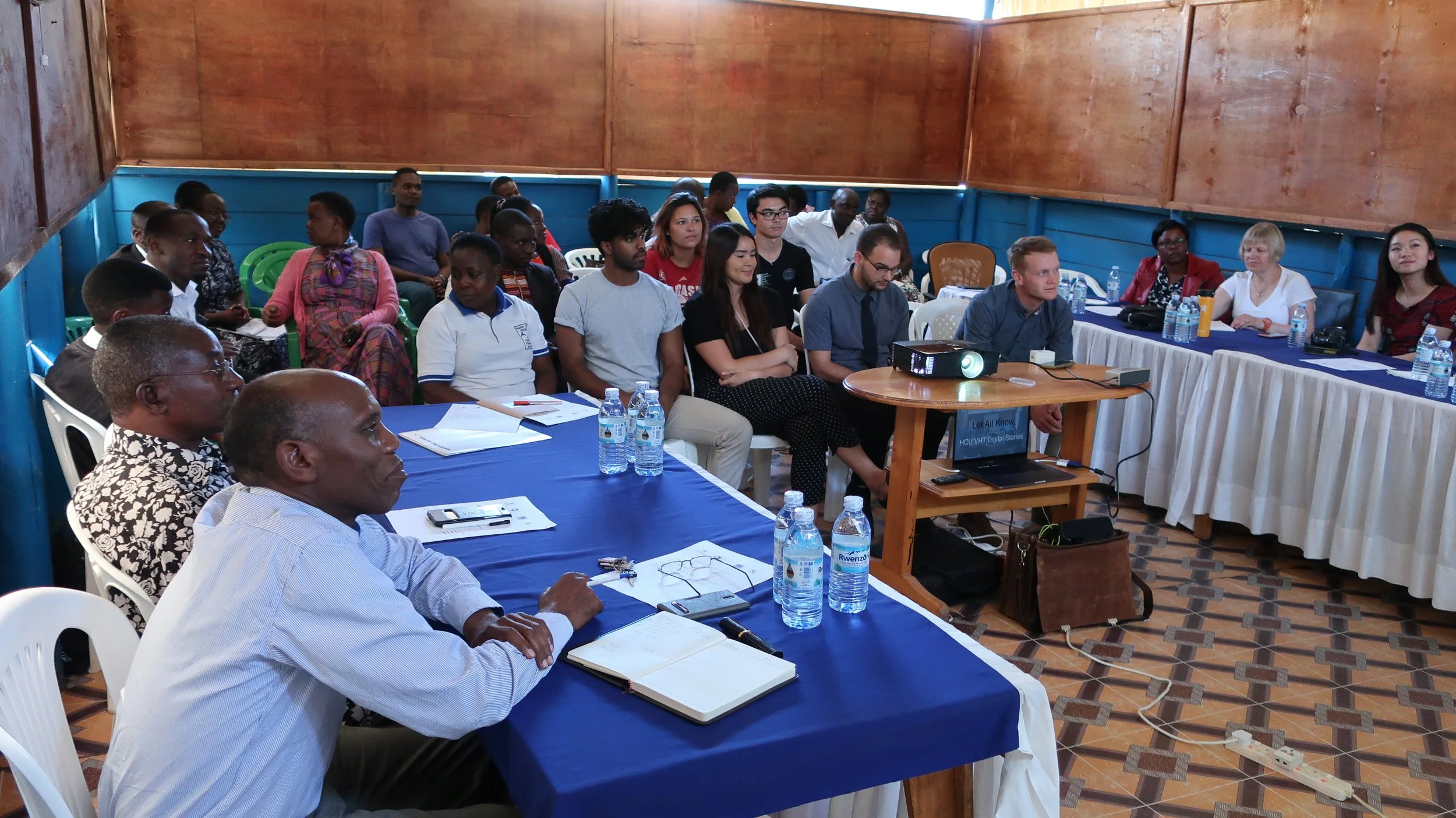

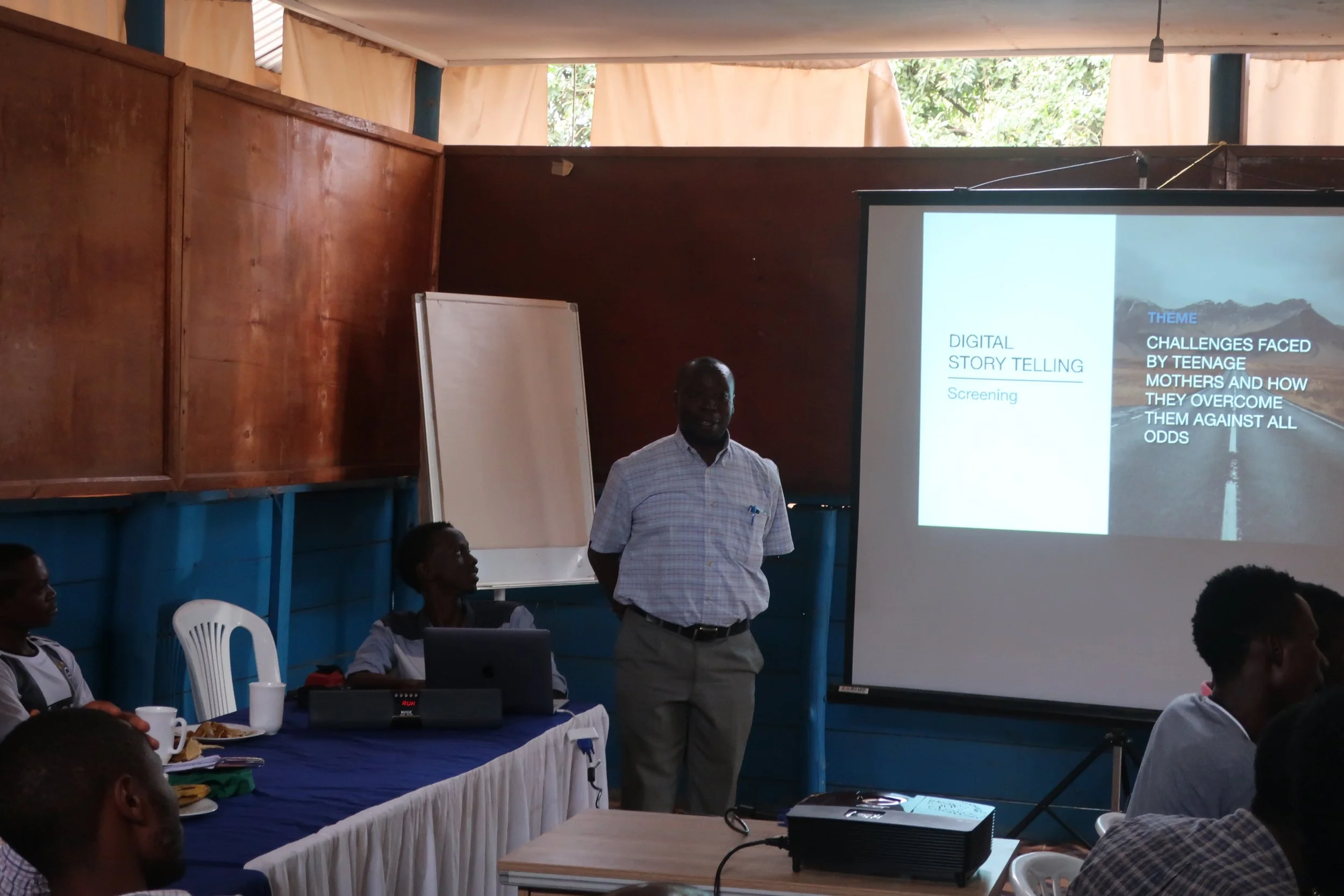

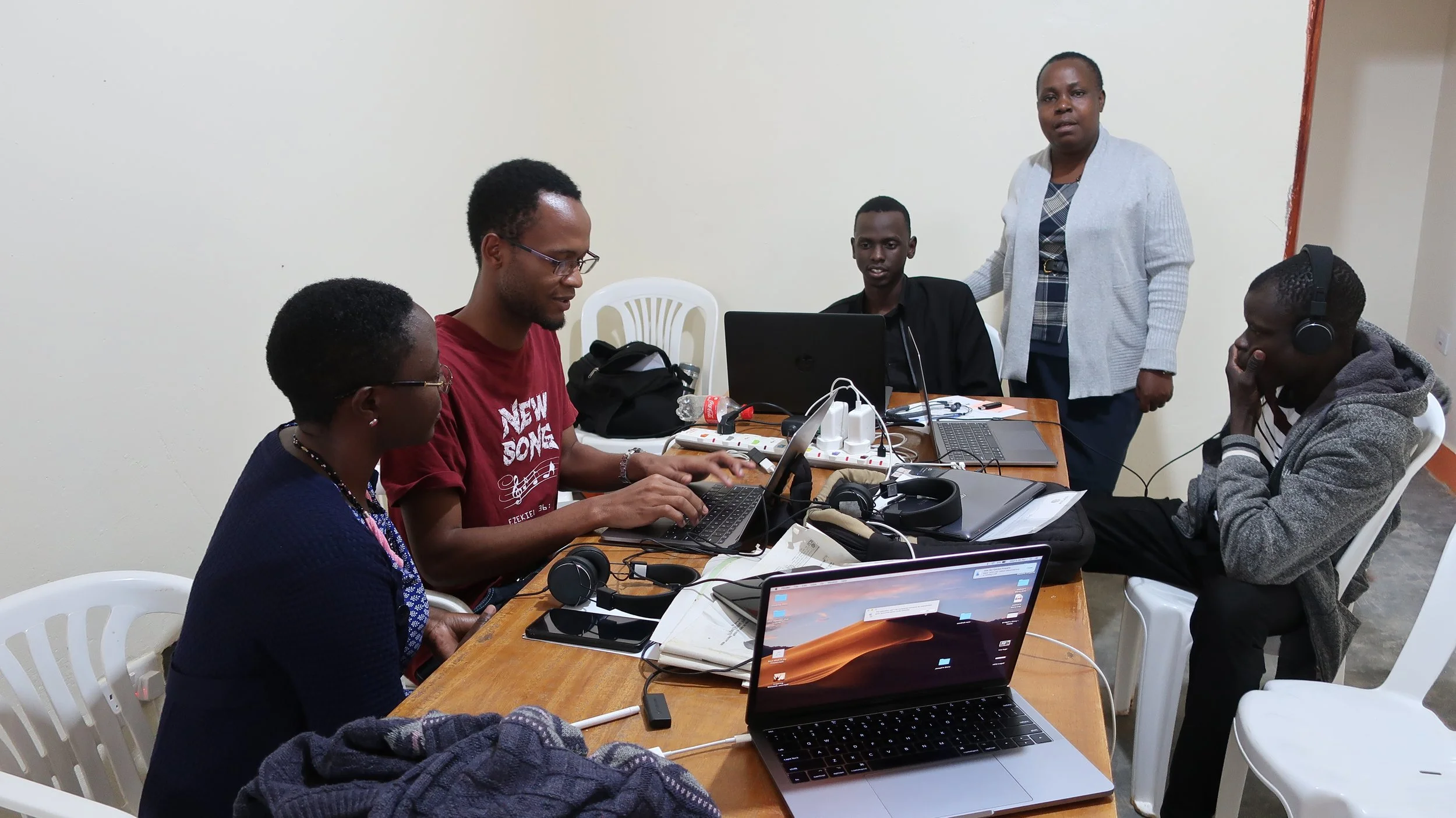

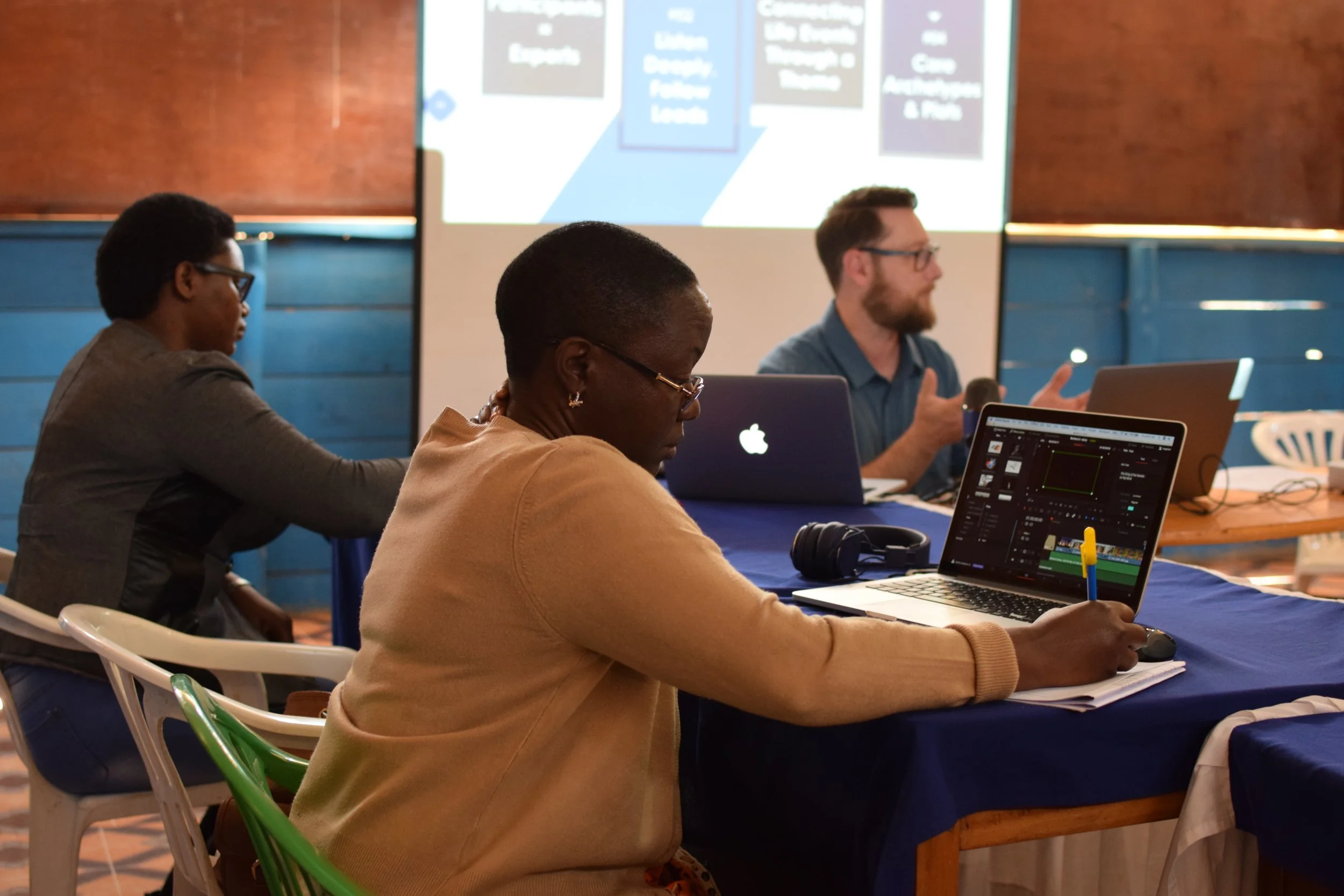
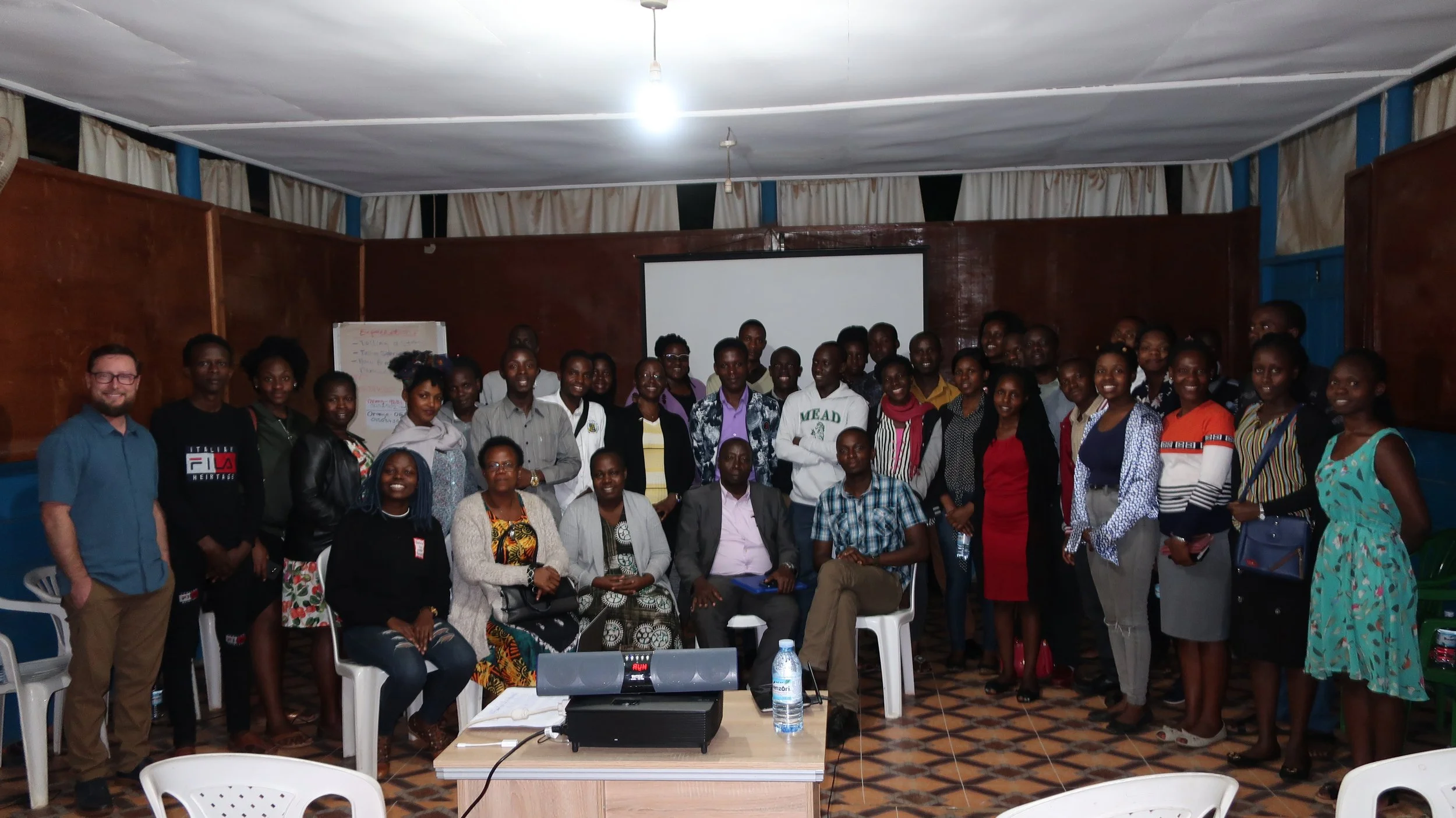
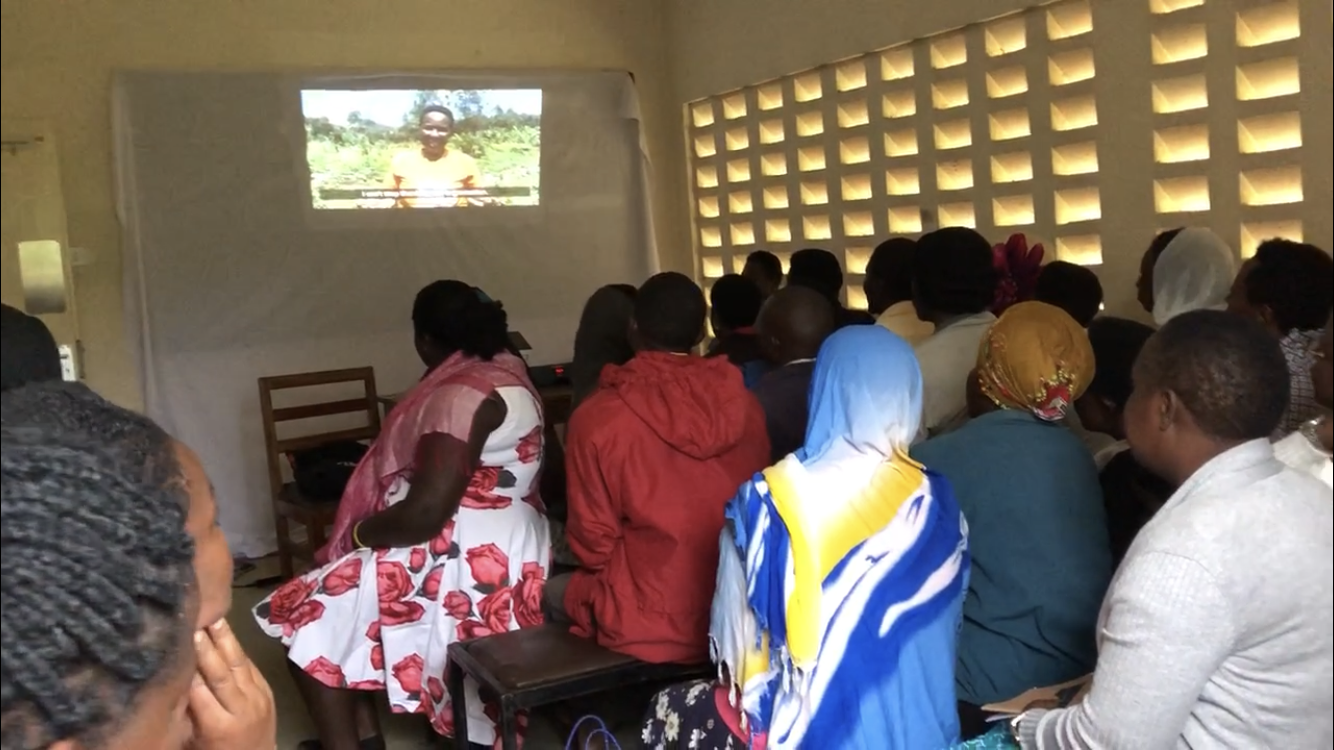

Click on Images to View Larger Size
Partners & Funders