When Science Meets Story: Lessons from a PhD Defense
Digital storytelling is often described as a short film with voiceover, personal images, and careful editing, but its real power is how it helps people make meaning. When the topic is antimicrobial resistance (AMR) or antibiotic resistance, meaning matters because the public rarely experiences “resistance” as a clear event. In this conversation, we explore how a PhD can sit at the intersection of arts-based methods and biomedical research, and why that hybrid creates both opportunity and friction. For health communication, patient stories can create empathy and memory, yet they still need structure, context, and timing to become true knowledge mobilization.
A major theme is the tension between art and science when you try to study digital storytelling with academic rigour. Becky describes defending qualitative research choices in a long defense, and how examiners trained in behavioural science push hard on concepts like evidence, mechanism, and generalizability. That pressure is not a drawback, it clarifies the “how” behind narrative impact: what exactly changes in a viewer, and how do you document it? For researchers, the takeaway is practical: build a supervisory committee with complementary strengths in qualitative methods, ethics, and storytelling practice so you are not inventing the process alone.
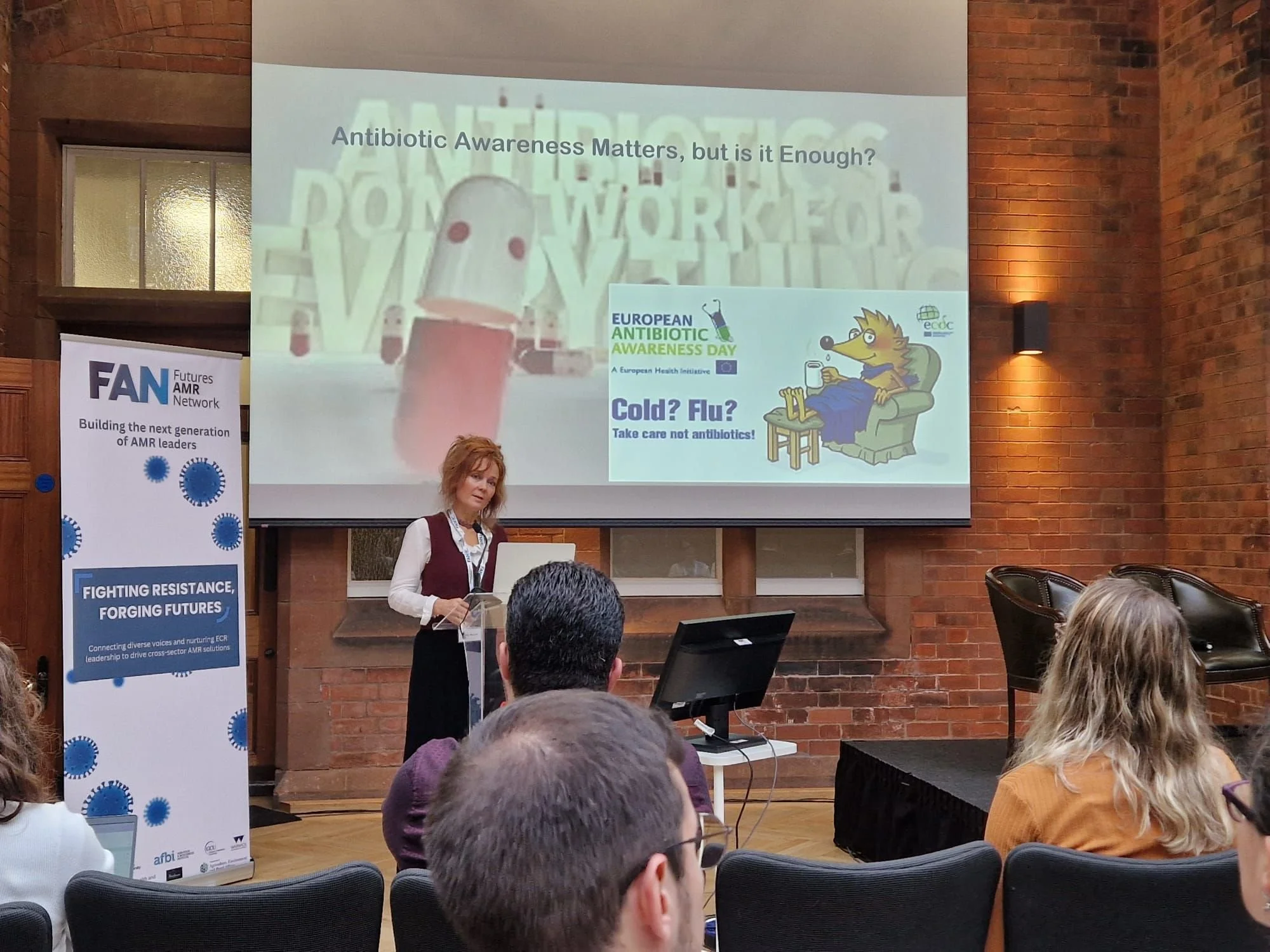
Check out the Storybug website here
Another key insight is that stories rarely create direct behaviour change by themselves, especially with complex public health issues like antibiotic stewardship. A poster saying “don’t use antibiotics for colds” can keep a message visible, but stewardship decisions happen months or years after someone watches a film. The gap between a moving story and real-world action is where strategy lives: repetition, reinforcement, and “right time” delivery. Narrative framing becomes critical, especially when health inequalities mean some groups carry a heavier burden from AMR. Targeting the setting, storyteller, and structure to a specific audience can be more ethical and effective than a scattershot approach.
The discussion also expands beyond AMR into new storytelling projects, showing how transferable the method is across health and wellness. Care home stories challenge the assumption that care homes are only places “to go to die,” highlighting how daily care, not dramatic interventions, can extend life and dignity. In hospitals, the Radix project tackles “digital fragmentation,” where electronic health records are split across GP, care home, emergency, and specialty systems. That fragmentation affects clinical decision-making: the wrong antibiotic, delayed correction, and avoidable deterioration. Stories from clinicians and patients make the systems problem feel human, not abstract.
Episode 54 Key Messages
1:05 Becky’s Seven Year PhD Journey
4:16 Arts Based Research in Biomedicine
8:03 Why Stories Rarely Change Behavior
10:44 New Projects from the Mind Behind Storybug
12:12 Digital Fragmentation in Hospitals
17:34 Targeted Stories and Narrative Framing
19:31 Planning with Partners and Funders
23:22 What Becky Wishes She Knew
28:45 The Hard Problem of Dissemination
29:53 Story Slam Invite
Finally, the episode digs into practical barriers: recruiting storytellers, disseminating stories, and creating spaces for discussion. Social media posts often fail to reach people with the time, trust, and readiness to participate, while word-of-mouth through trusted clinicians or patient organizations works better. Dissemination is equally hard because shortening a digital story for social feeds can strip it of context and emotional arc. Screenings, interviews, and facilitated conversation can restore that depth. For anyone planning a research project, a hospital initiative, or a community workshop, the core lesson is to treat digital storytelling as part of a broader health education system, not a standalone artifact.
About Our Guest
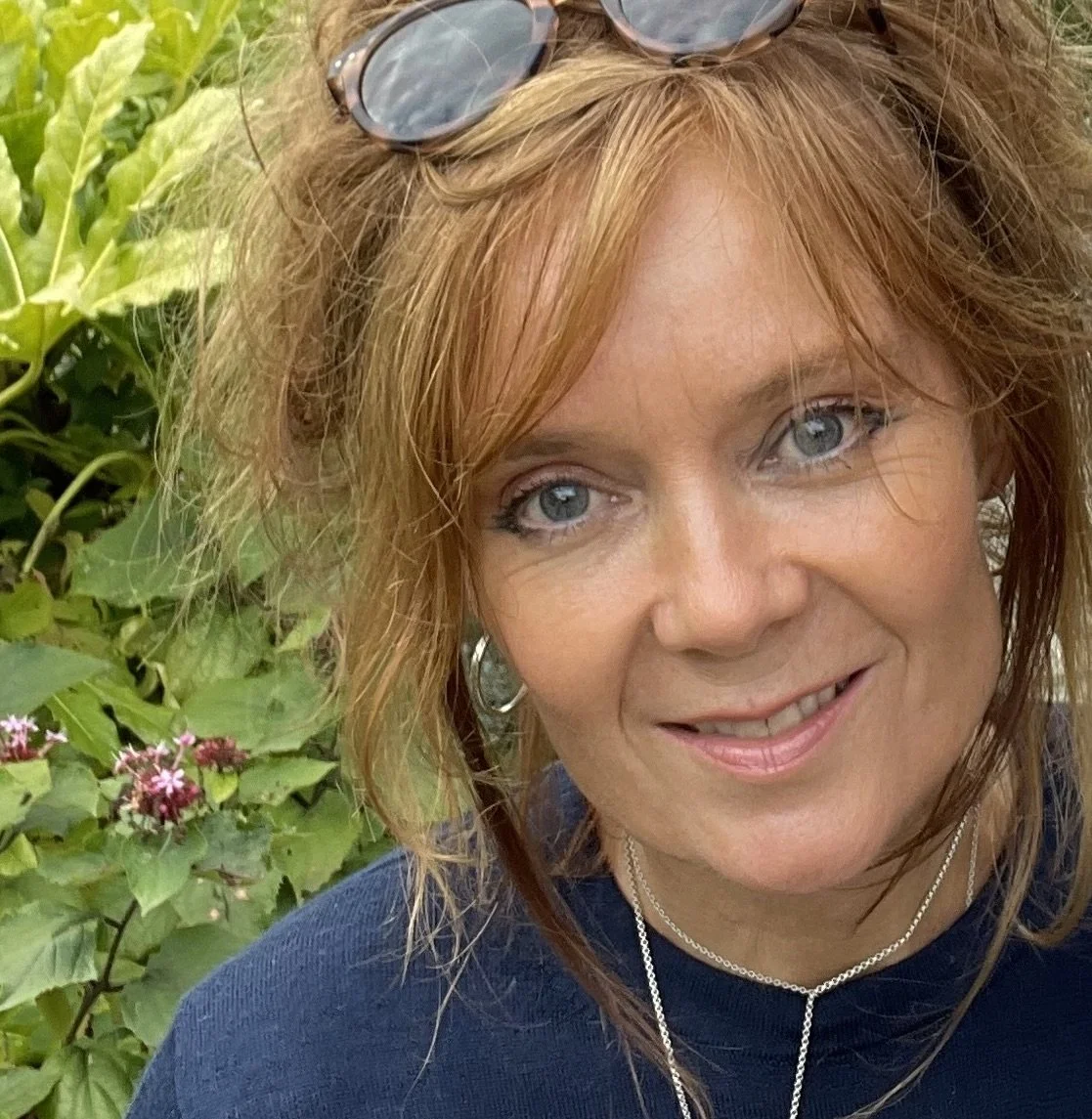
Dr. Becky McCall is based in London, UK, and has recently completed her first set of five digital stories that focus on people with experiences of antibiotic resistant infection. The work forms part of Becky’s PhD research (University College London) and aims to help address a gap in public engagement with one of the world’s top 10 humanitarian health crises (antimicrobial resistance-AMR). Becky is also a medical journalist writing for both medical and consumer press, recently including Foresight Global Health, Medscape.com, The Lancet, The Times and the Mail on Sunday. She has also worked in radio and TV. She'll make any excuse to travel; seeking inspiration in places and most importantly, people - firmly believing everyone has a story to tell.
About Co-Created
Co-Created is a podcast that takes you behind the scenes of digital storytelling. On each episode, host Kristy Wolfe dives into conversations with the storytellers and facilitators who bring digital stories to life.
If this particular conversation resonated with you, tell a friend or a colleague about Co-Created or share one of the digital stories we were talking about. You can find the stories here.
Co-Created is presented by Common Language DST, digital storytelling facilitation training for health and wellness changemakers and is supported by the team at Snack Labs.